
At Aswan, three of the four El-Alamein partners reaffirmed a longstanding Eritrean position that coastal states should lead Red Sea security.
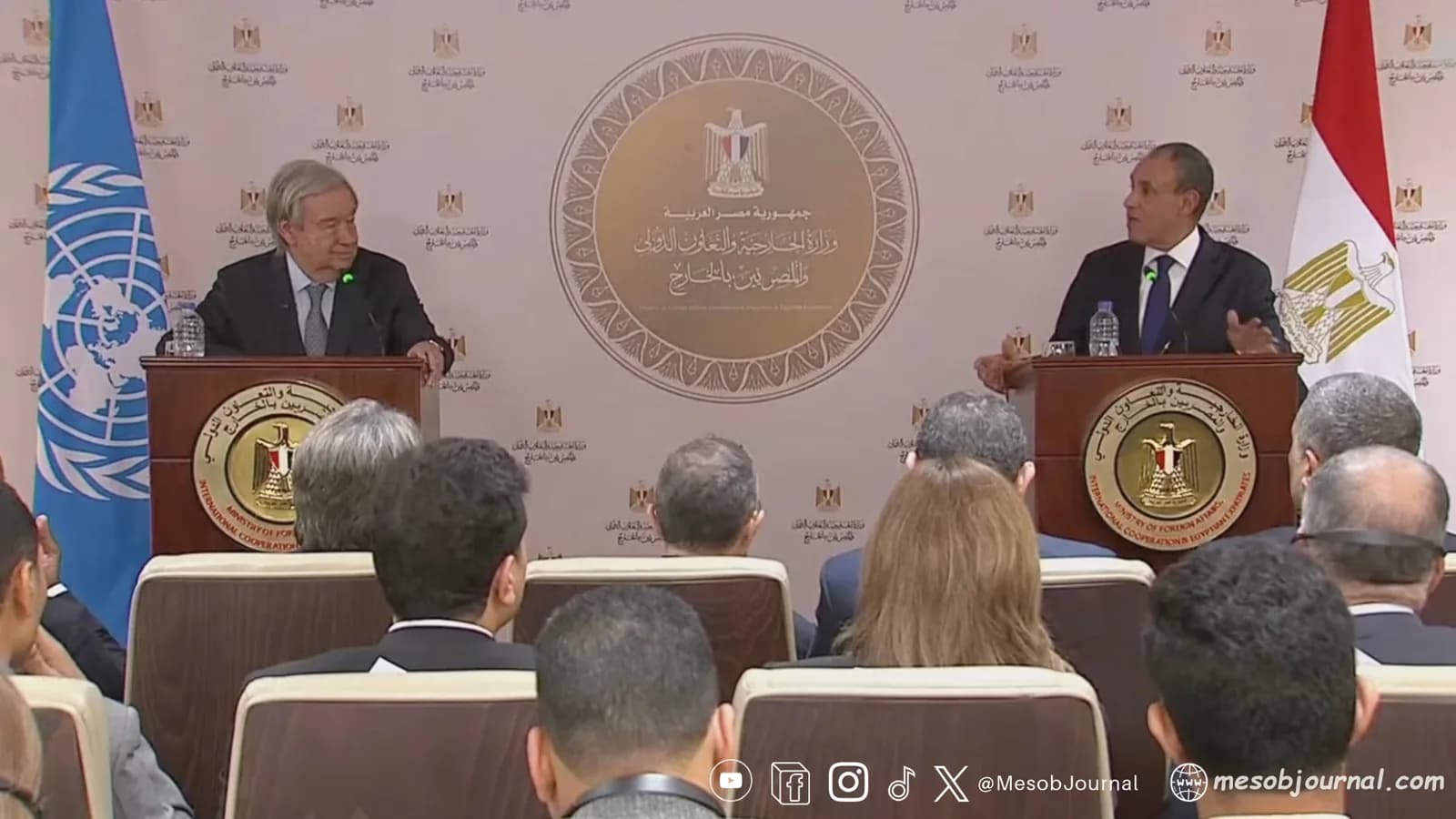
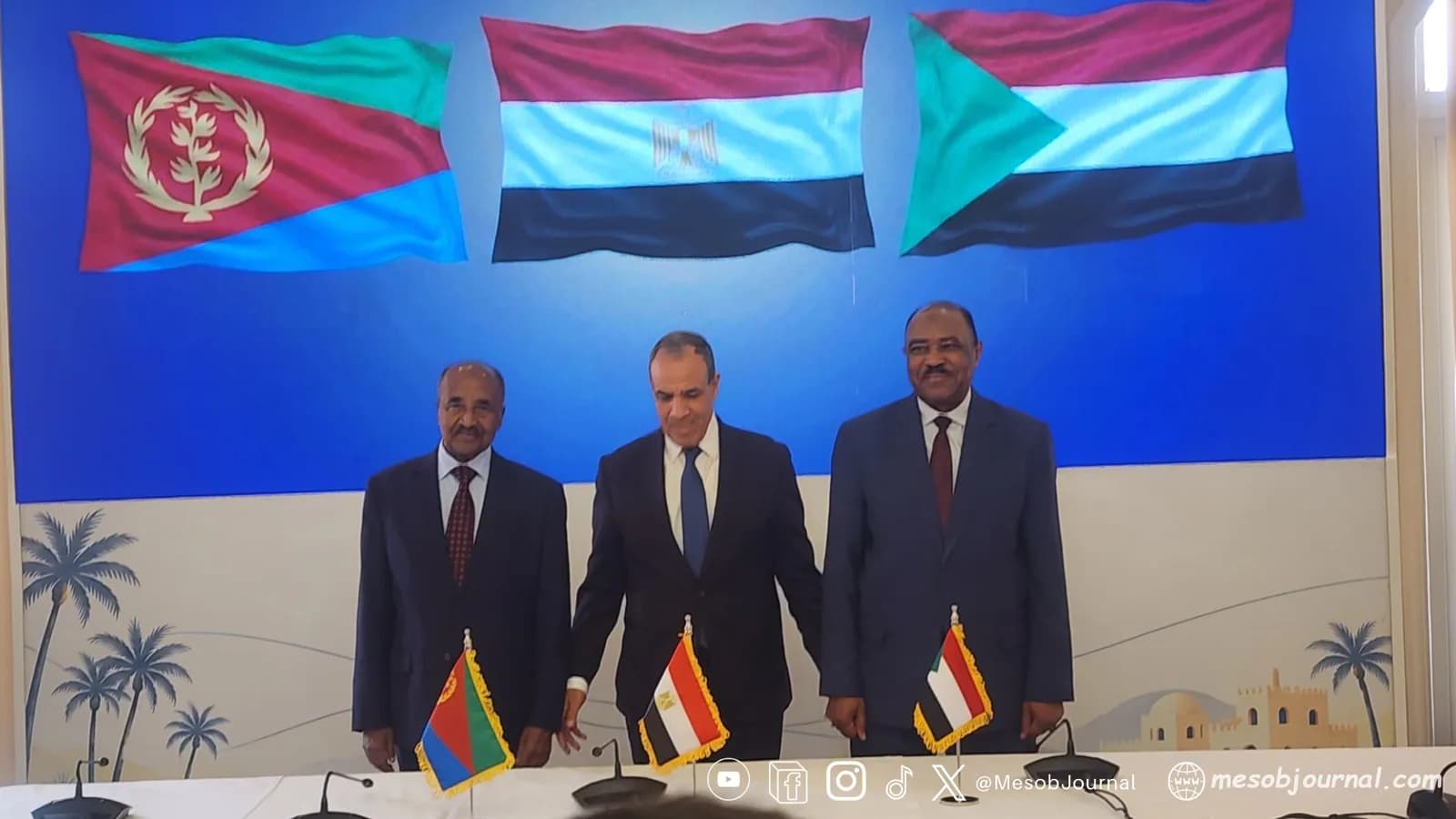
Egypt, Eritrea and Sudan called for safe passage for international shipping and said responsibility for securing and governing the Red Sea should rest with the countries along its shores. Egypt’s Badr Abdelatty met his Eritrean and Sudanese counterparts, Osman Saleh and Mohieddin Salem, on 21 November on the sidelines of the sixth Aswan Forum for Sustainable Peace and Development. In the Egyptian Foreign Ministry’s account of the meeting, Abdelatty said he would brief Somalia, the fourth country in the regional consultations.
At El-Alamein on 4 October, Egypt, Eritrea, Sudan and Somalia agreed to keep consulting on regional security. The three ministers picked up that work in Aswan, reaffirming their support for the sovereignty and territorial integrity of Eritrea, Sudan and Somalia. Cairo’s readout gave no date for the next four-country meeting. What gives the consultations urgency is the pressure falling on the coast from wars and disputes on land.
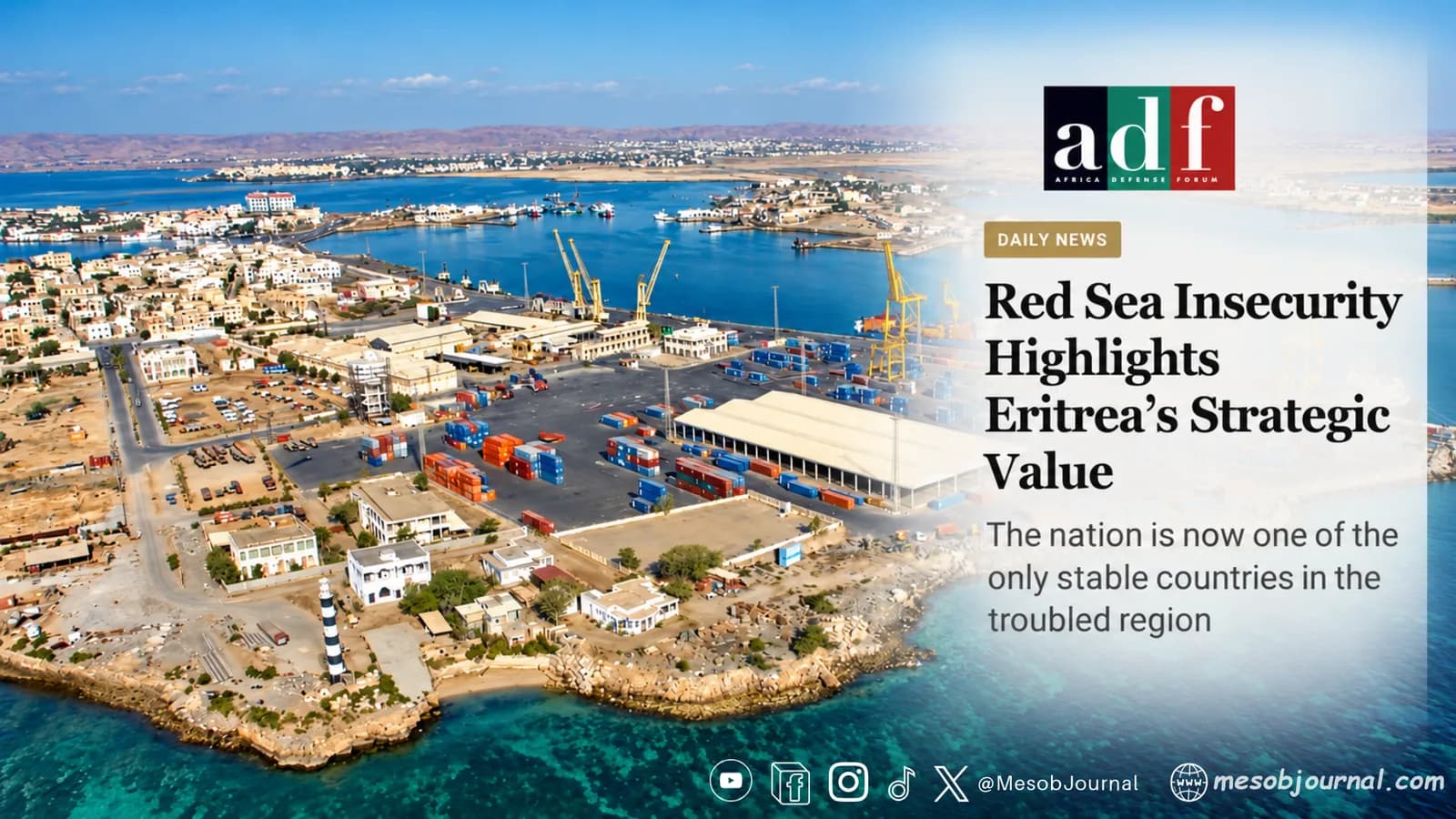
From Suez to Assab
For Egypt, the Suez Canal’s receipts show what is at stake when shipping returns to the Red Sea. The canal authority reported 1,490 transits and $724 million in revenue in October 2026, up from 1,128 transits and $373 million a year earlier. At a separate Aswan roundtable, Abdelatty warned that a growing foreign military presence could put that recovery at risk. He pointed to Egypt’s Suez and Red Sea development initiative as a way for coastal states to build economic and maritime ties.
The Nile gives Egypt and Sudan another reason to coordinate. In Aswan, the three ministers rejected unilateral action on water security. Earlier in November, Cairo and Khartoum called for a binding framework for operating the Grand Ethiopian Renaissance Dam and identified Egypt, Sudan and Ethiopia as the three countries directly concerned.
Eritrea has long argued that coastal states should lead Red Sea security. Saleh restated that position in Riyadh at a meeting of Red Sea and Gulf of Aden coastal states in January 2020. In his Aswan Forum address, he described the Red Sea as Eritrean national heritage and a waterway shared with the world, and called for coastal states to take primary responsibility for its security in accordance with international law.
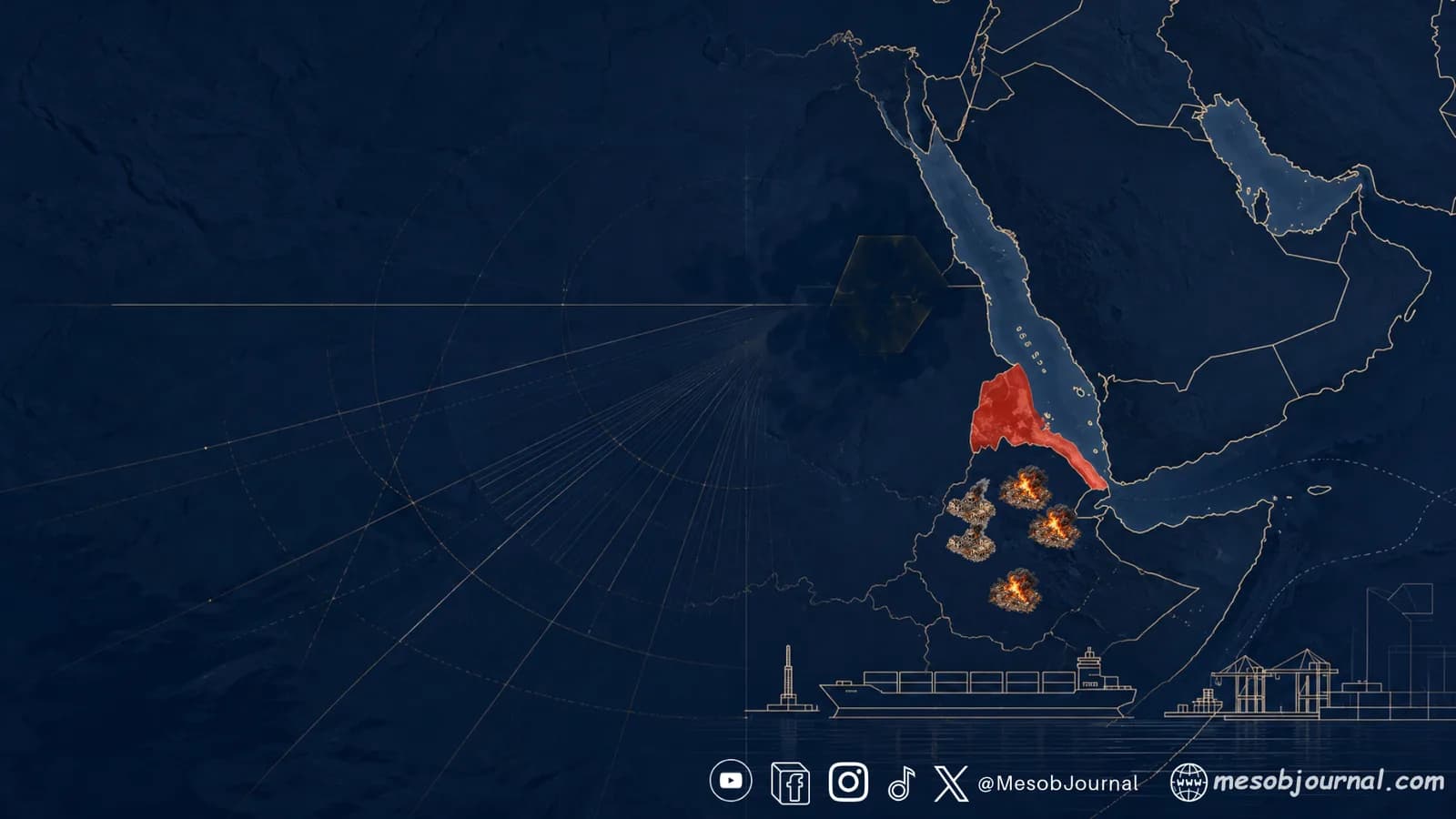
Saleh also used the Aswan address to warn about threats to Eritrea’s territory. Since 2023, Ethiopian leaders, from the prime minister to senior generals, have threatened Eritrea’s territorial integrity, including threats to seize Assab by force and claims extending along Eritrea’s southern coast.
Sudan’s war reaches the coast
Sudan’s Red Sea coast is a lifeline for people far inland. The 2025 attacks on Port Sudan threatened a major entry point for humanitarian relief. Emirati weapons and Ethiopian logistical support have helped sustain the Rapid Support Forces (RSF). Sudanese military officials say drones launched from Ethiopia were used in attacks on Khartoum. Across Sudan, drone strikes have destroyed homes, knocked out power and disrupted aid. Sudanese families are paying the price for a war fuelled from abroad.
The three ministers opposed the foreign arming of militias and backed Sudan’s national institutions. Egypt and Sudan separately signed a memorandum on training and institutional capacity. Abdelatty also backed the Sudan mediation effort that includes Egypt, Saudi Arabia, the UAE and the United States. Those parallel talks underline how much work lies beyond a declaration of support for Sudan’s sovereignty. Ending the war will require commitments from the parties fighting it and a political process in which Sudanese civilians have a voice.
Somalia’s dispute with the UAE
Two days before the Aswan meeting, Somalia gave the United Arab Emirates’ ambassador 72 hours to leave and recalled its own envoy from Abu Dhabi. President Hassan Sheikh Mohamud accused the UAE of backing regional administrations in their disputes with Mogadishu, making port deals without federal approval and helping establish bases and armed units outside the national chain of command.
Berbera in Somaliland and Bosaso in Puntland sit on the Gulf of Aden, on the approach to the Red Sea. Deals at Berbera and Bosaso give Dubai-based DP World a commercial foothold along that route. The port and security arrangements Mogadishu describes would give Abu Dhabi leverage over how that coastline is used by letting it deal with regional authorities separately from the federal government. The Aswan ministers’ rejection of parallel entities in Somalia speaks to Mogadishu’s concern that these arrangements weaken federal authority.
What coastal-state leadership would mean
At El-Alamein, the four countries paired Eritrea’s longstanding position on coastal-state leadership with a pledge to keep international shipping lanes open. The conflicts along the route show what implementing that pledge entails. Emirati arms for the RSF help sustain a war that has threatened relief through Port Sudan. In Somalia, Abu Dhabi’s ties with regional authorities give it leverage at ports on the approach to the Red Sea and, in Mogadishu’s account, influence over forces outside federal command. The coastal governments have to keep commerce and aid moving while retaining authority over the ports and waters both depend on.
Cairo’s promised briefing would be a start. The next test is a four-country meeting with Somalia helping set the agenda. If those governments can agree with other coastal states on who will coordinate rescues at sea and how to keep relief shipments moving, they will have begun to exercise the responsibility they claimed at El-Alamein.