We use cookies to improve your experience, analyze traffic, and show relevant content. You can accept all, reject non‑essential, or manage preferences.
Chronological archive
All published stories, starting with the most recent.

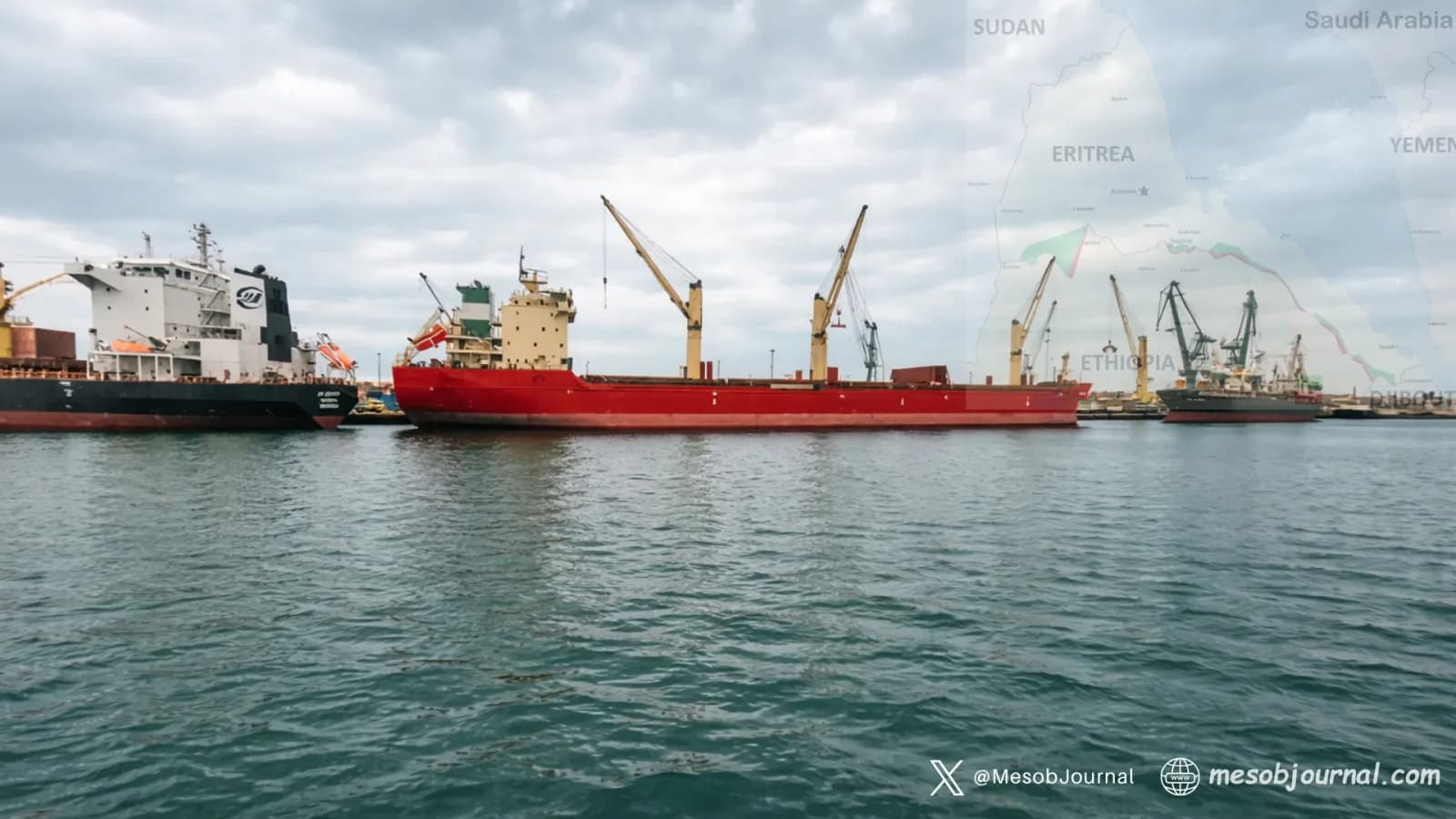
Economic language is being used to normalize a far more dangerous idea: that sovereign Eritrean ports can be folded into Ethiopia’s national future as if law, borders and regional peace do not matter. The latest wave of Ethiopian regime-aligned messaging about the Red Sea follows

As Ethiopia moves into its 2026 election cycle, Tigrayan political actors say siege conditions are tightening again and federal force deployments are pointing toward renewed war. The most serious signal right now is not coming from Addis Ababa’s talking points. It is coming from

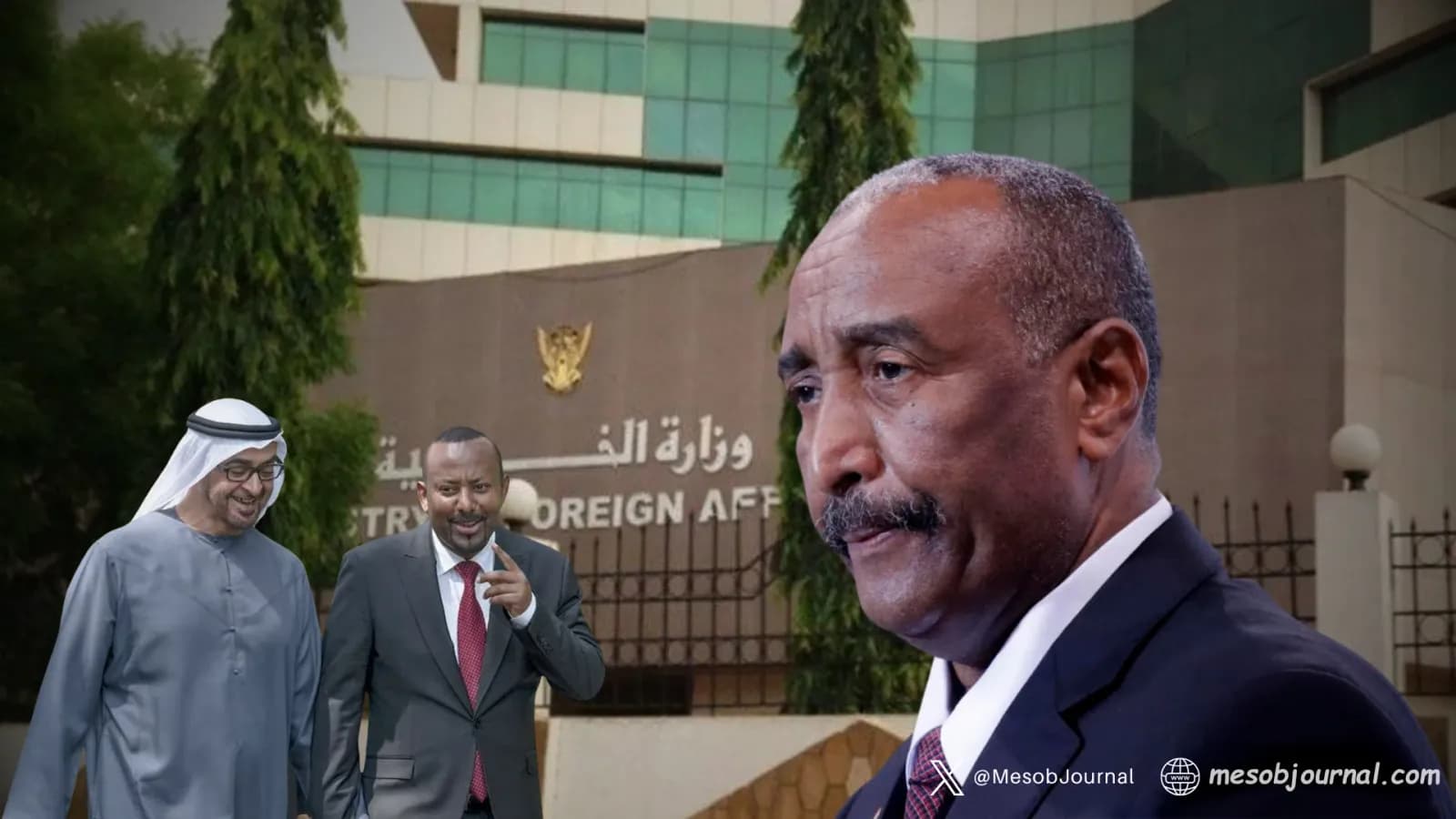
Khartoum has stopped hinting and started naming the line it says Addis Ababa has crossed. In a press statement issued Monday, March 2, 2026 , Sudan’s Ministry of Foreign Affairs said it had monitored drones entering Sudan “from inside Ethiopian territory” throughout February a

The discourses surrounding Eritrea, particularly in mainstream policy and media circles, have too often been stripped of essential context, resulting in a diagnostic failure. To address the symptoms, be it concerns over national service or civil liberties, without a rigorous audi

RFI’s February 22 piece tries to sound like a careful warning about a "widening rift" between Ethiopia and Eritrea. But the most consequential thing it does is much simpler: it normalizes an unlawful premise by handing it to a credentialed authority. That authority is Clionadh Ra

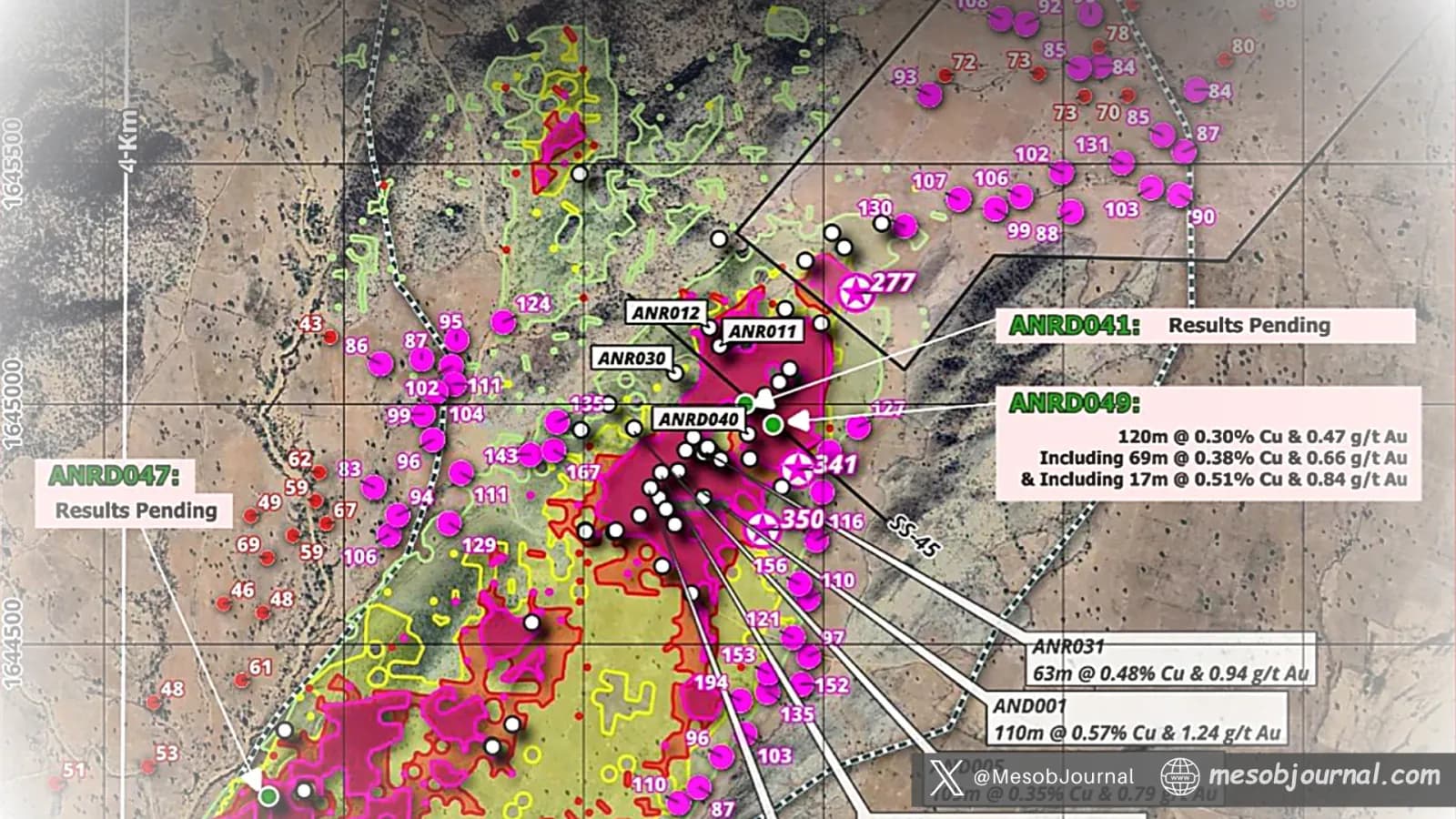
Alpha Exploration said new drilling at its Anagulu copper-gold project in Eritrea has extended the known mineralised zone, reporting a long copper-gold intercept and step-out growth to the northeast. In results released on Feb. 24 , the company reported 120 metres grading 0.

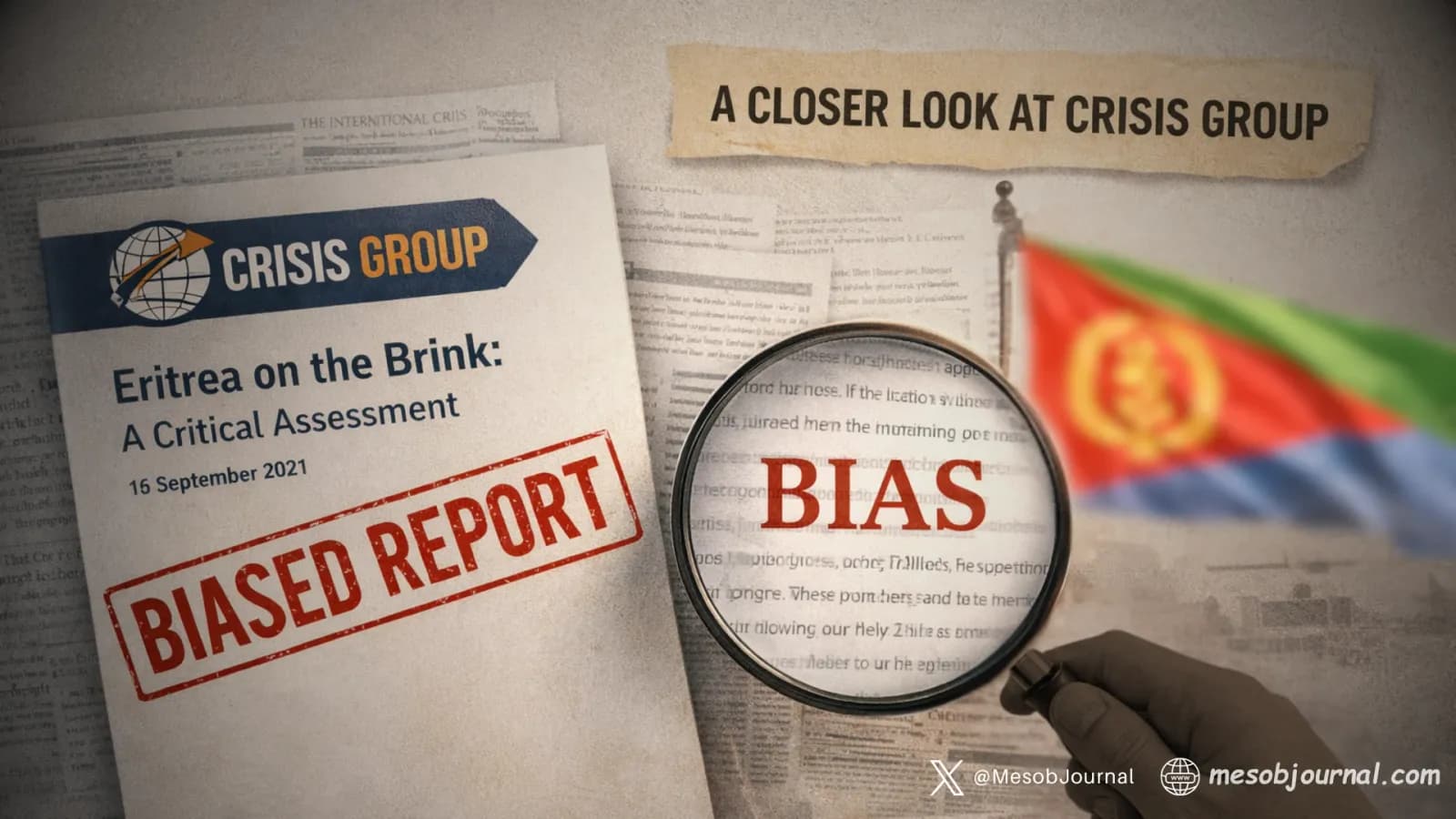
International Crisis Group’s 18 February 2026 briefing advertises itself as conflict prevention. In reality, it performs something closer to narrative management: it repackages Ethiopia’s Red Sea ambition as a “grievance” to be accommodated, while keeping Eritrea boxed into the f

The lazy framing is already being warmed up: “tensions are rising,” “neighbours trade claims,” “both sides must de-escalate.” It sounds responsible. It reads balanced. And it quietly deletes the one fact that matters: one side has spent years normalising war talk as policy. If y

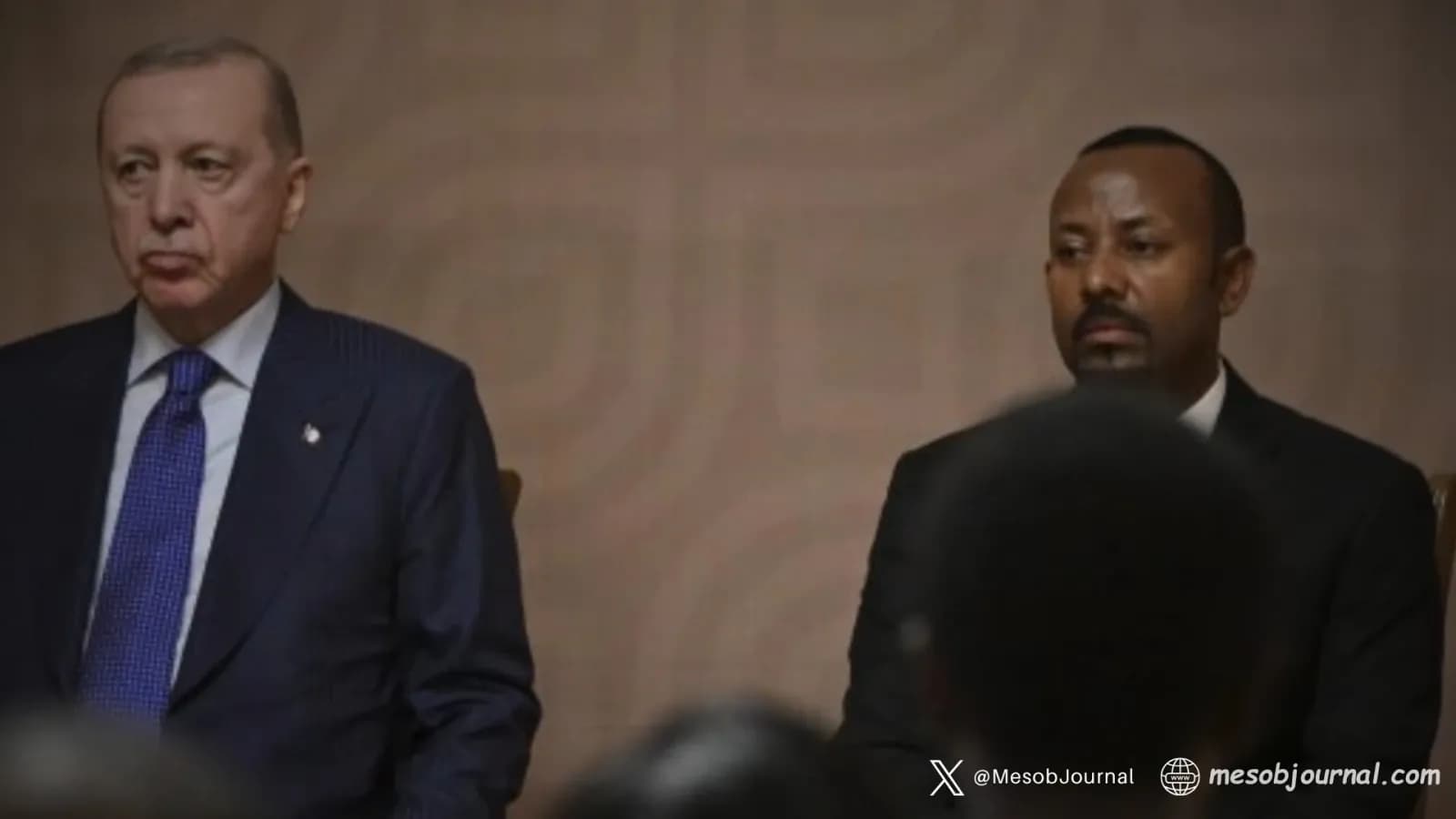
Abiy Ahmed tried to stage the usual Addis photo-op when Turkey’s President Recep Tayyip Erdoğan arrived. But the camera caught something different: a stiff, guarded prime minister sitting beside a visitor who didn’t look like he came for flattery. What played out at the joint app

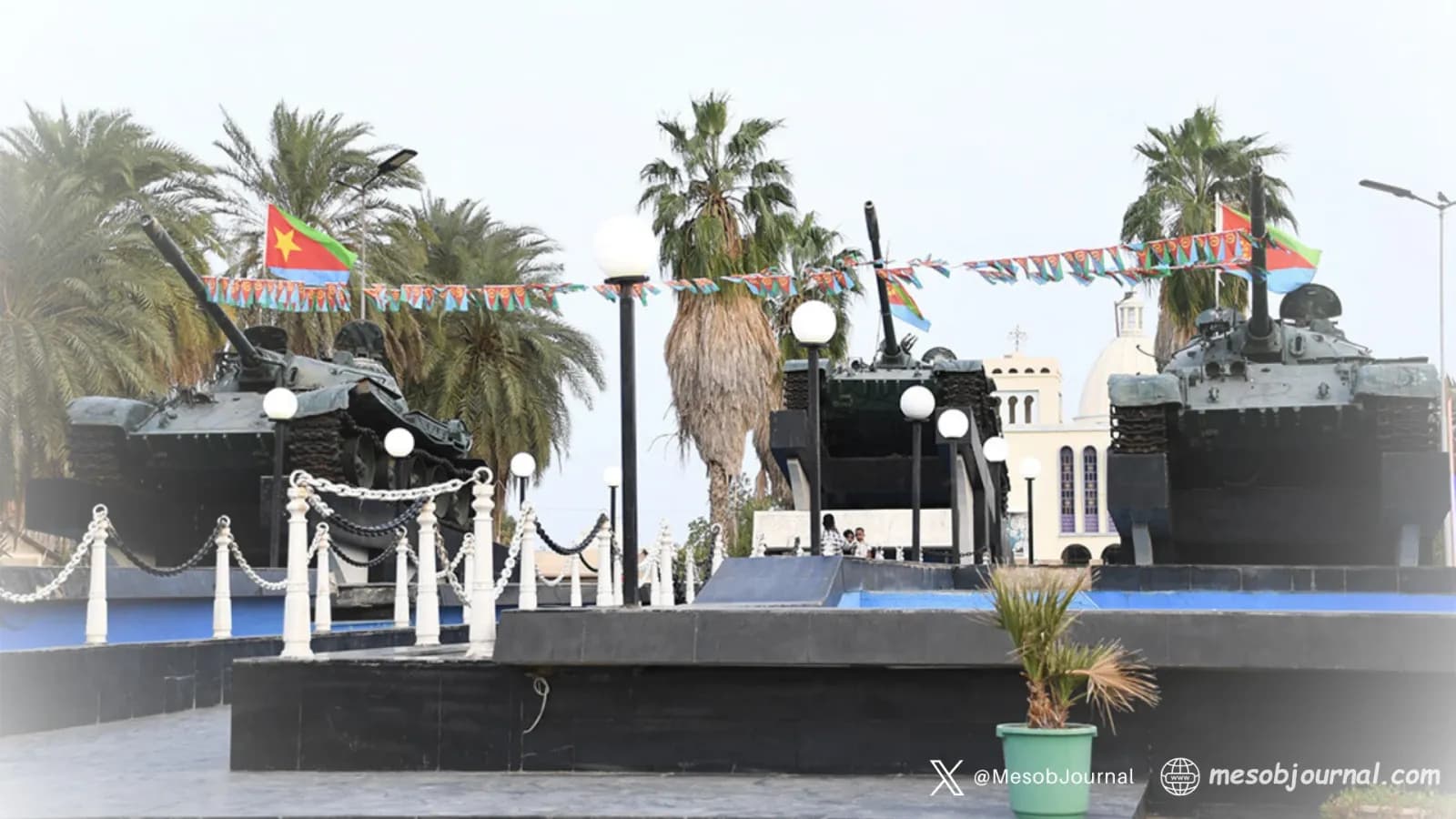
Some victories are celebrated once. Others are lived—every day—like a vow you can’t afford to break. At Twalet, the Tanks Don’t Rust In Massawa, the Red Sea air has a way of softening everything—except memory. You can feel it near Twalet, where three tanks stand fixed as a monume

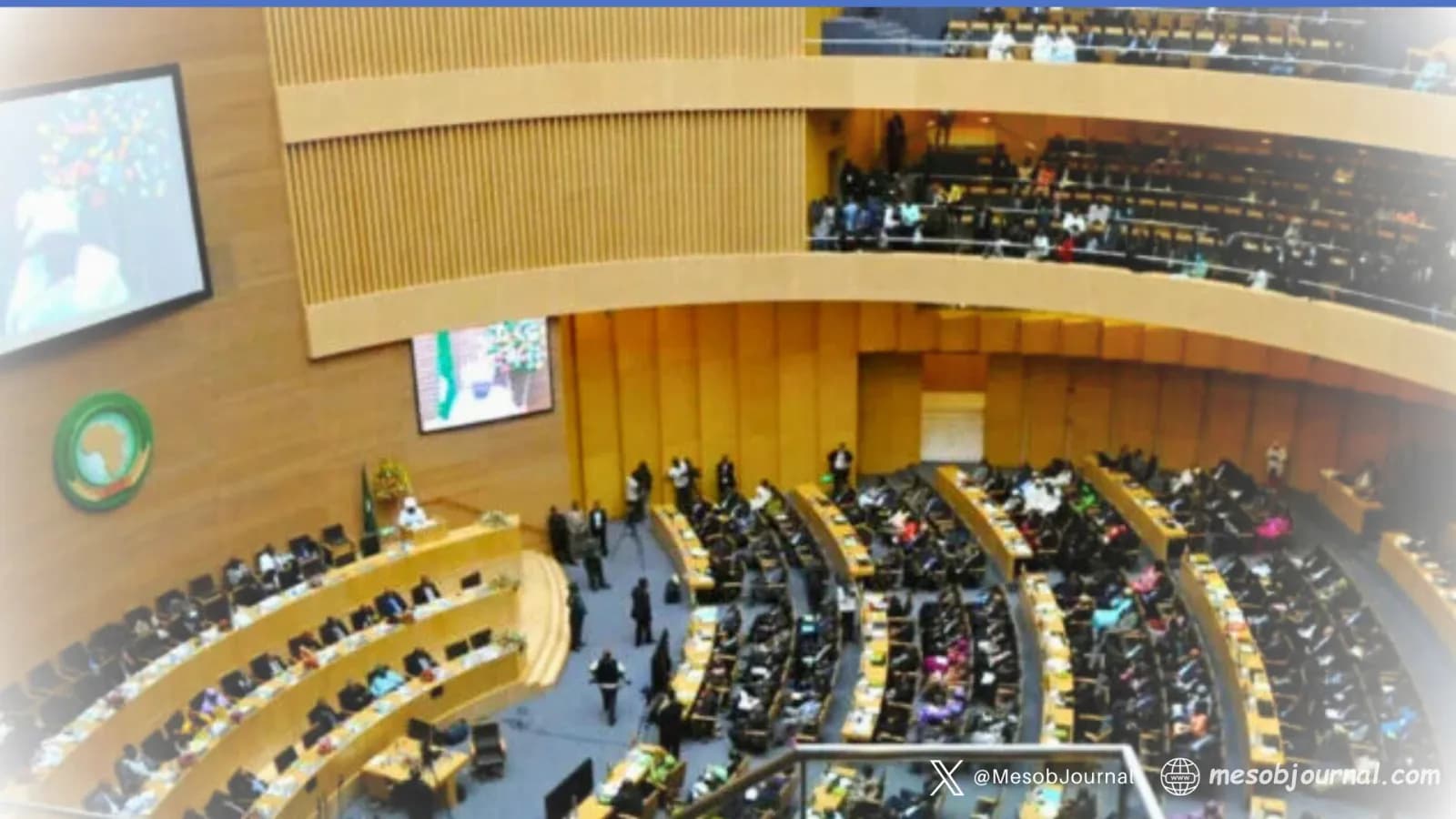
The African Union Peace and Security Council (PSC) has issued one of its clearest sovereignty statements on Somalia in years—explicitly condemning Israel’s unilateral recognition of the “so-called Republic of Somaliland,” demanding it be revoked, and warning that no actor has the

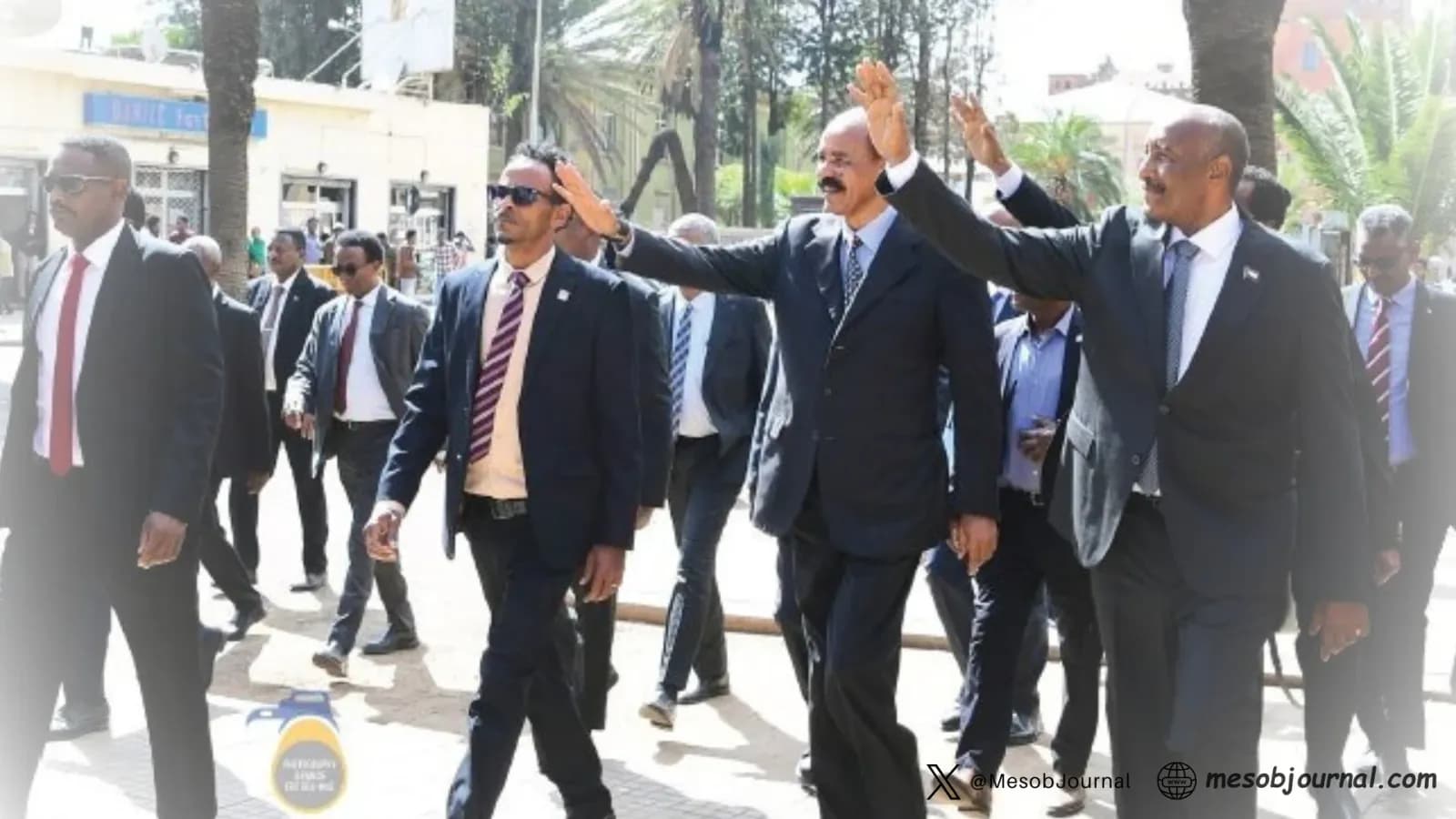
Sudan’s ambassador to Eritrea, Osman Ahmed Abdul Bari , has used a letter published Thursday by Eritrea’s Ministry of Information website Shabait to cast Sudan–Eritrea relations as a “firm partnership” shaped by shared history, borderland ties, and converging views on sovereig