
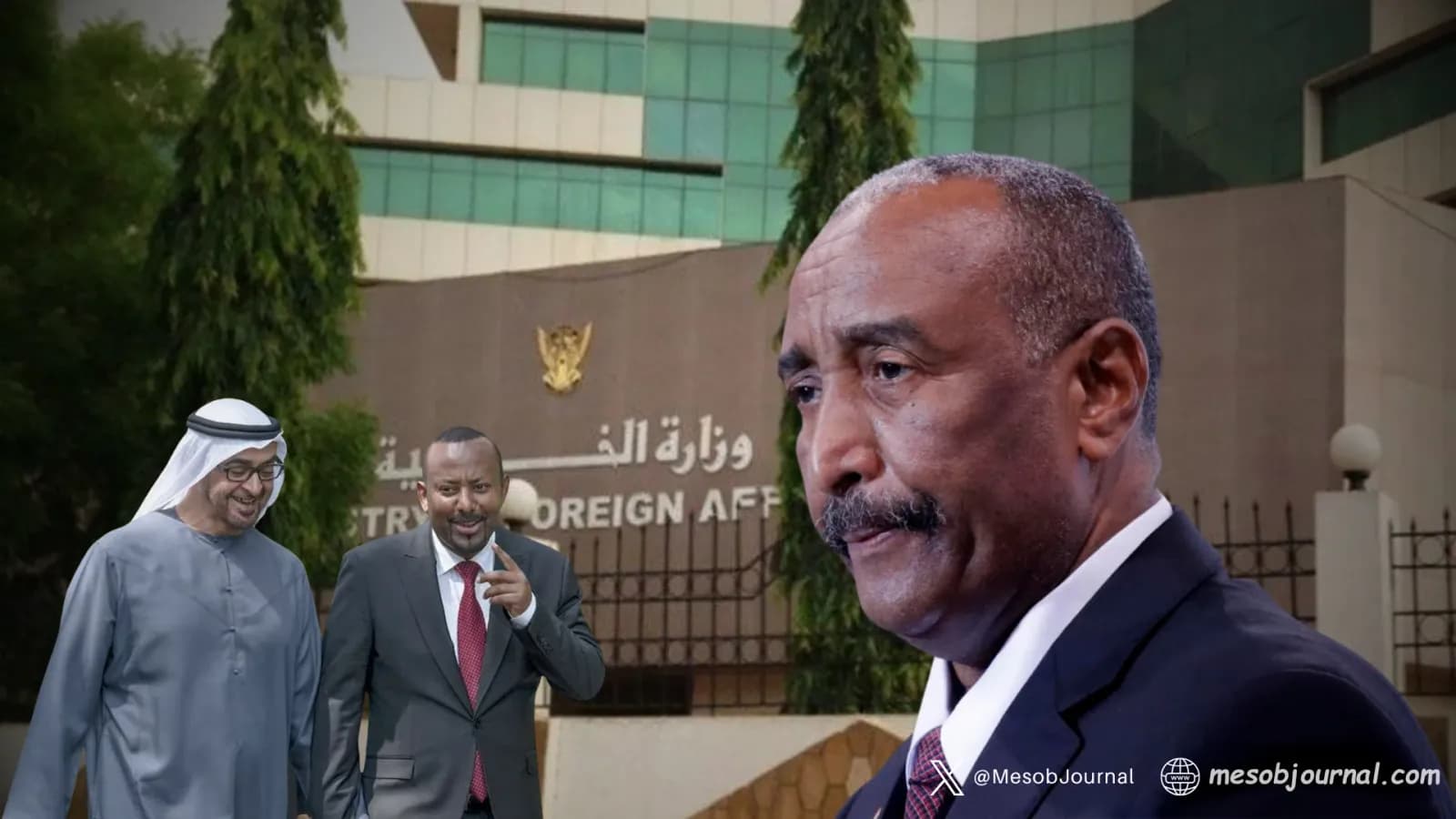
Khartoum has stopped hinting and started naming the line it says Addis Ababa has crossed.
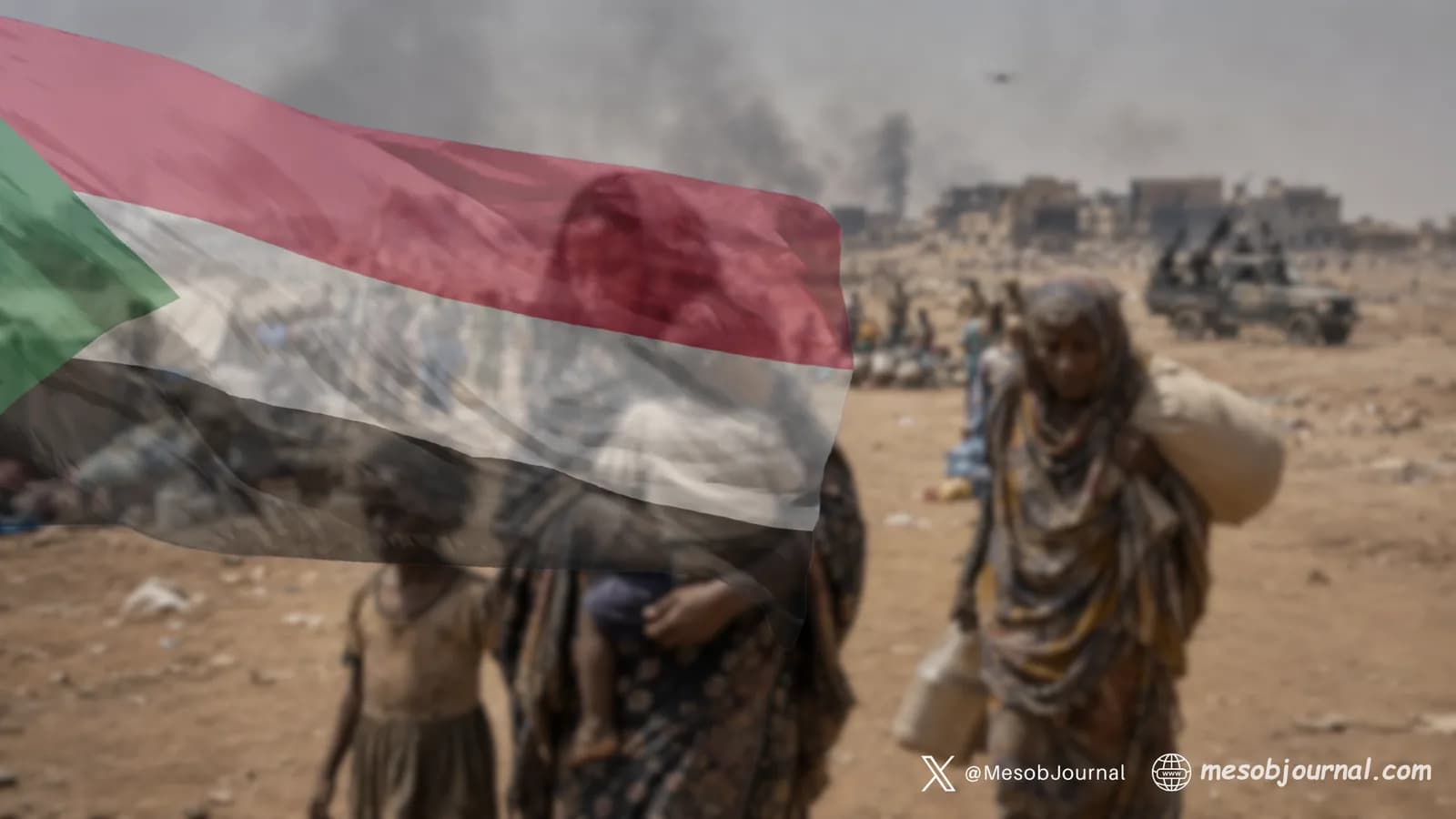
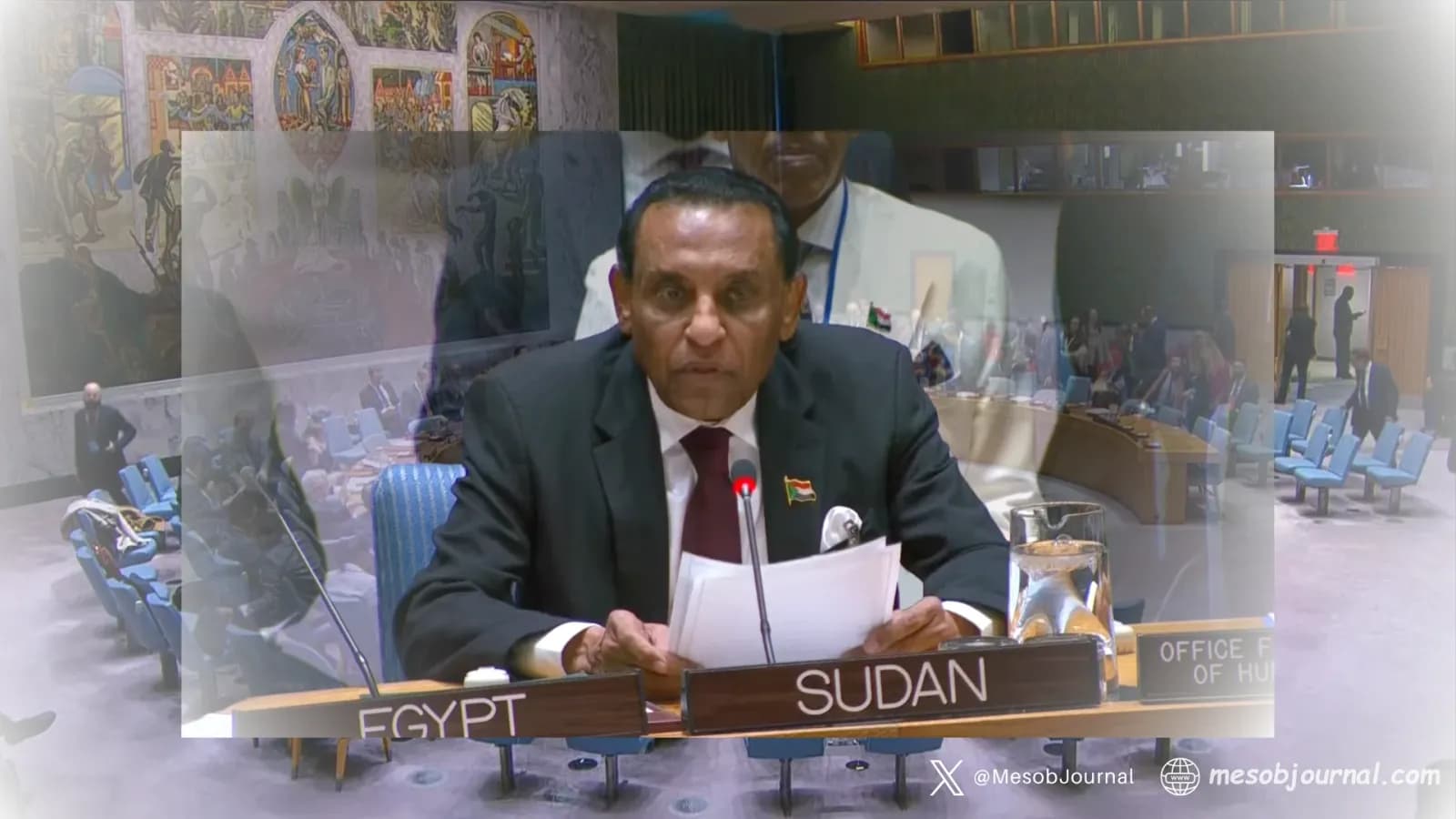
In a press statement issued Monday, March 2, 2026, Sudan’s Ministry of Foreign Affairs said it had monitored drones entering Sudan “from inside Ethiopian territory” throughout February and early March, and that those drones “engaged targets” inside Sudan. The ministry called it hostile conduct, a “flagrant violation” of sovereignty, and “a clear act of aggression,” warning of consequences while reaffirming Sudan’s right to defend its territory.
That’s not casual diplomatic language. It’s a formal accusation—on the record—that a neighboring state’s territory is being used as a corridor for strikes.
A warning that didn’t come out of nowhere
Sudan’s statement lands weeks after a Reuters visual investigation (Feb. 10, 2026) reported that Ethiopia is hosting a secret training camp in its western Benishangul-Gumuz region to prepare thousands of fighters linked to Sudan’s Rapid Support Forces (RSF). Reuters said satellite imagery showed the camp carved out of forest in a district called Menge, roughly 32 km from the Sudan border, with activity accelerating in late 2025.
Reuters also reported new construction at Asosa airport nearby, including what a military-technology expert identified as a UAV ground control station and a satellite antenna—drone support infrastructure similar to that seen at other Ethiopian drone bases, according to Reuters’ review of imagery.
Several sources told Reuters the UAE financed the camp and provided trainers and logistics; the UAE denied involvement, and Reuters noted it could not independently verify UAE involvement or the camp’s purpose.
So when Sudan now says drones are coming from inside Ethiopia, it doesn’t land in a vacuum. It lands beside documented reporting about a cross-border training pipeline and drone-capable infrastructure on Ethiopia’s western flank.
This is what destabilization looks like in practice
Addis Ababa can argue over attribution. Sudan, notably, has publicly stressed the point of origin without always naming a specific operator in the same breath. But the charge Sudan is making is still severe: that strikes inside Sudan are being enabled from Ethiopian territory.
And here’s the tell: when Reuters published its investigation, Ethiopia’s media authority moved against the journalists—declining to renew accreditation for three Reuters reporters and revoking Reuters’ accreditation for the African Union summit, Reuters reported on Feb. 14.
That’s a regime move. Not a rebuttal. Not a denial with evidence. Pressure the messenger and hope the story gets tired.
It won’t. Because drones don’t belong to the world of rumors. They leave patterns, infrastructure, flight paths, impacts—and now an official Sudanese statement.
The principle is simple
African states don’t get to treat their neighbor’s sovereignty as a suggestion. Borders aren’t optional because a leader wants leverage, or because a proxy war offers plausible deniability.
Sudan has drawn its line in plain terms: if drones are entering from inside Ethiopia and striking inside Sudan, that is aggression. And if Ethiopia is simultaneously hosting pipelines that strengthen one side of Sudan’s war—whether directly or through partners—it becomes harder to pretend this is “spillover.”
Khartoum’s message isn’t a plea. It’s a warning backed by the language of state sovereignty—and it puts the Abiy regime where it keeps ending up: not as a bystander to regional fires, but as a player adding fuel.