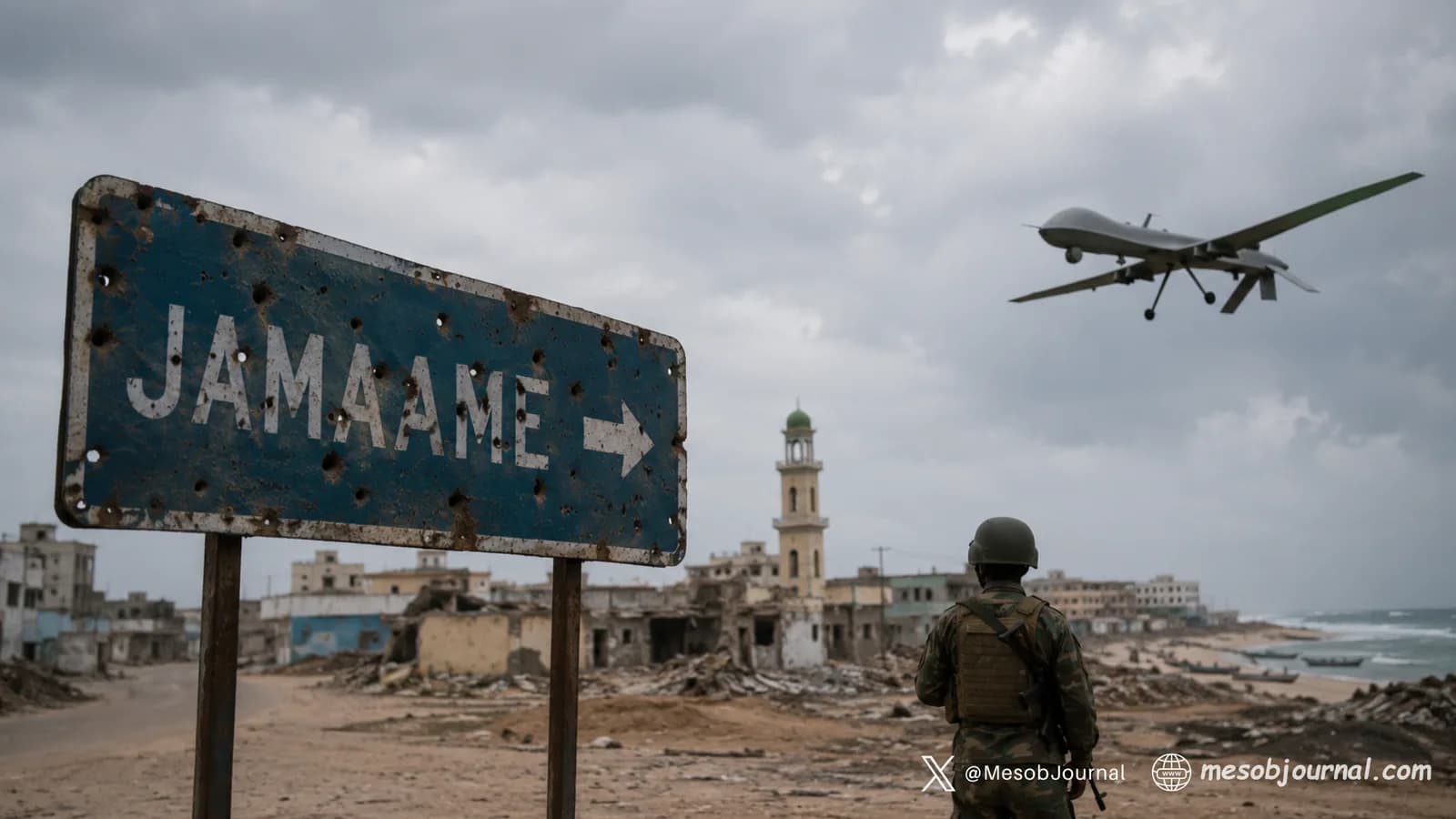

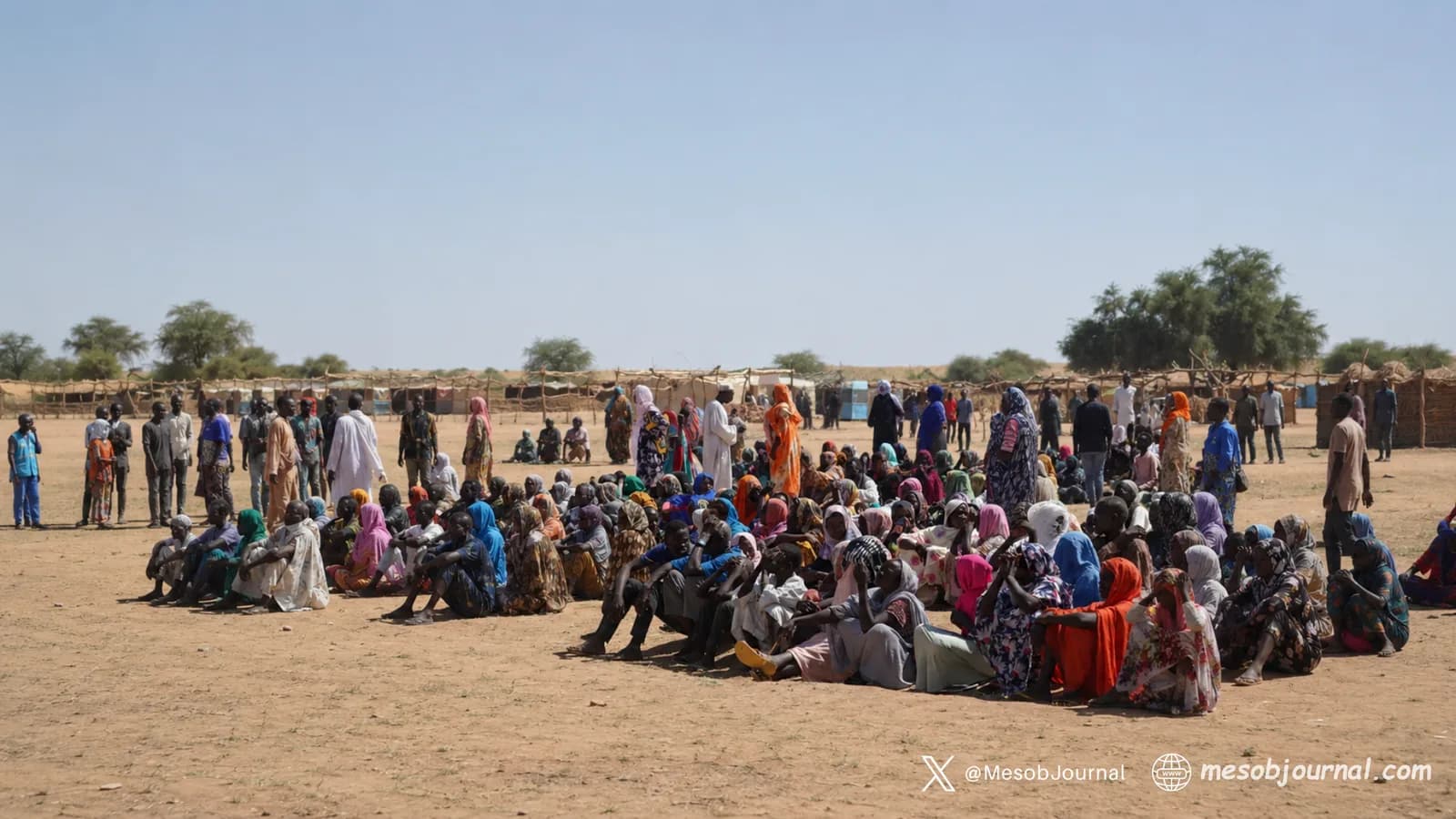
Sudan’s Foreign Ministry has accused the Rapid Support Forces of carrying out a deadly attack on civilians in North Kordofan, saying dozens of people were killed and others wounded in the Umm Saadoun and Al-Murra areas during Eid al-Adha.
In a statement issued Saturday, the ministry condemned what it called a “horrific massacre” by the RSF in the two areas, describing the victims as unarmed civilians and saying the attack violated international humanitarian law and international human rights law.
The ministry said official estimates put the death toll at at least 61 civilians, while accusing the RSF of targeting local communities, spreading fear and deepening suffering among residents in North Kordofan.
The attack, according to the ministry, took place on the second day of Eid al-Adha, a timing Sudanese authorities said showed disregard for a religious occasion associated with mercy, solidarity and family life.
Khartoum held the RSF and its regional and international backers responsible for the killings and their humanitarian consequences. The ministry said continued military, financial and logistical support to the group enables further crimes against Sudanese civilians.
It also renewed Sudan’s call for the RSF to be designated a terrorist organisation, citing what it described as a record of mass killings, attacks on civilians, destruction of public and private property, and violations amounting to war crimes and crimes against humanity.
The ministry urged the United Nations, the Security Council, the African Union and human rights bodies to take a clear position, condemn the attack, press for accountability and move to protect civilians.
The accusation comes as Sudan’s war continues to widen beyond its original centres of fighting. North Kordofan has become one of the conflict’s most dangerous fronts, linking the violence in Darfur with battles across central Sudan and threatening communities already exposed to displacement, shortages and insecurity.
For Sudan, the killings in Umm Saadoun and Al-Murra are not only another battlefield incident. They deepen the question facing regional and international bodies: whether civilian protection in Sudan will remain a statement of concern, or become a real test of accountability.