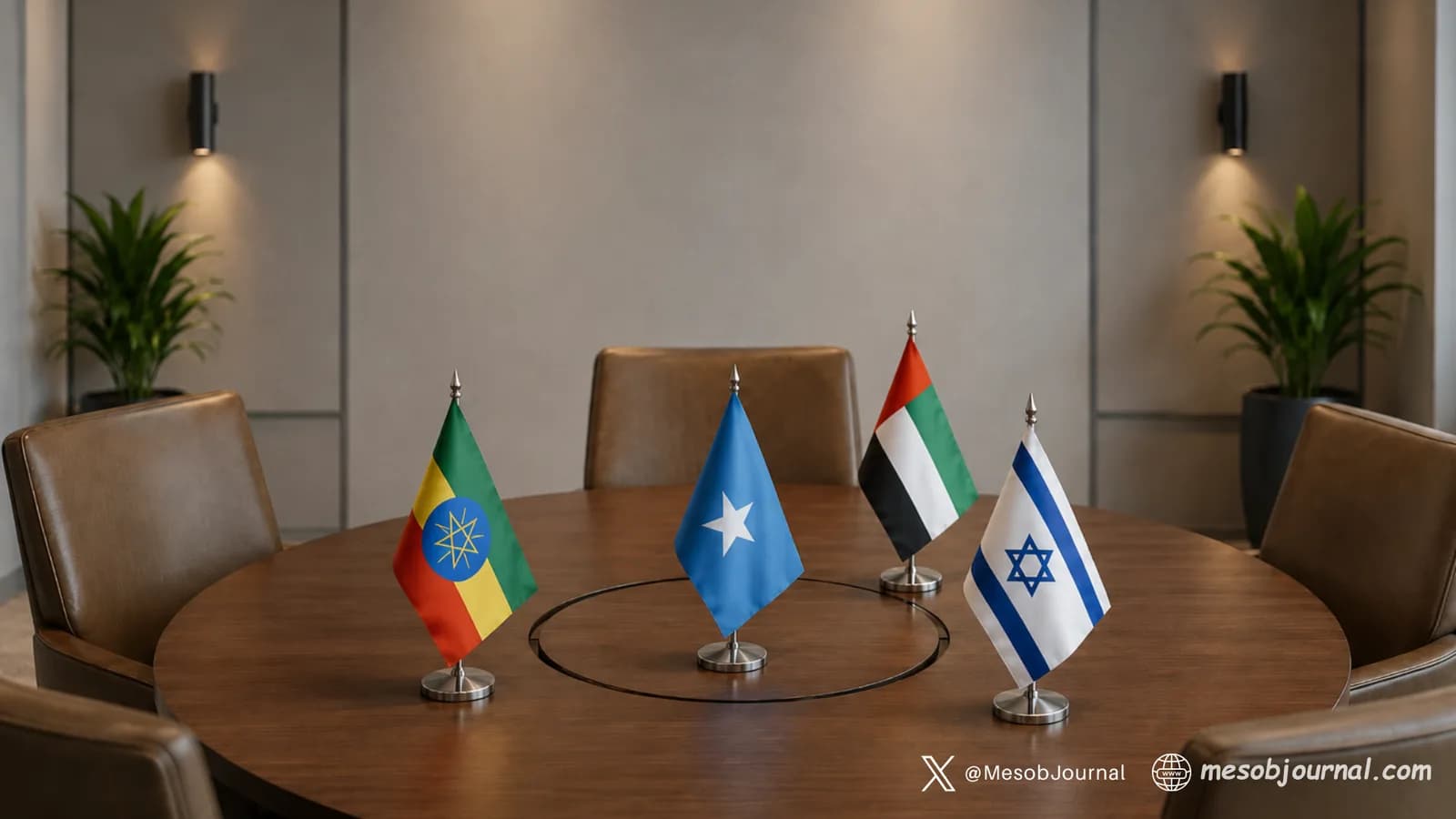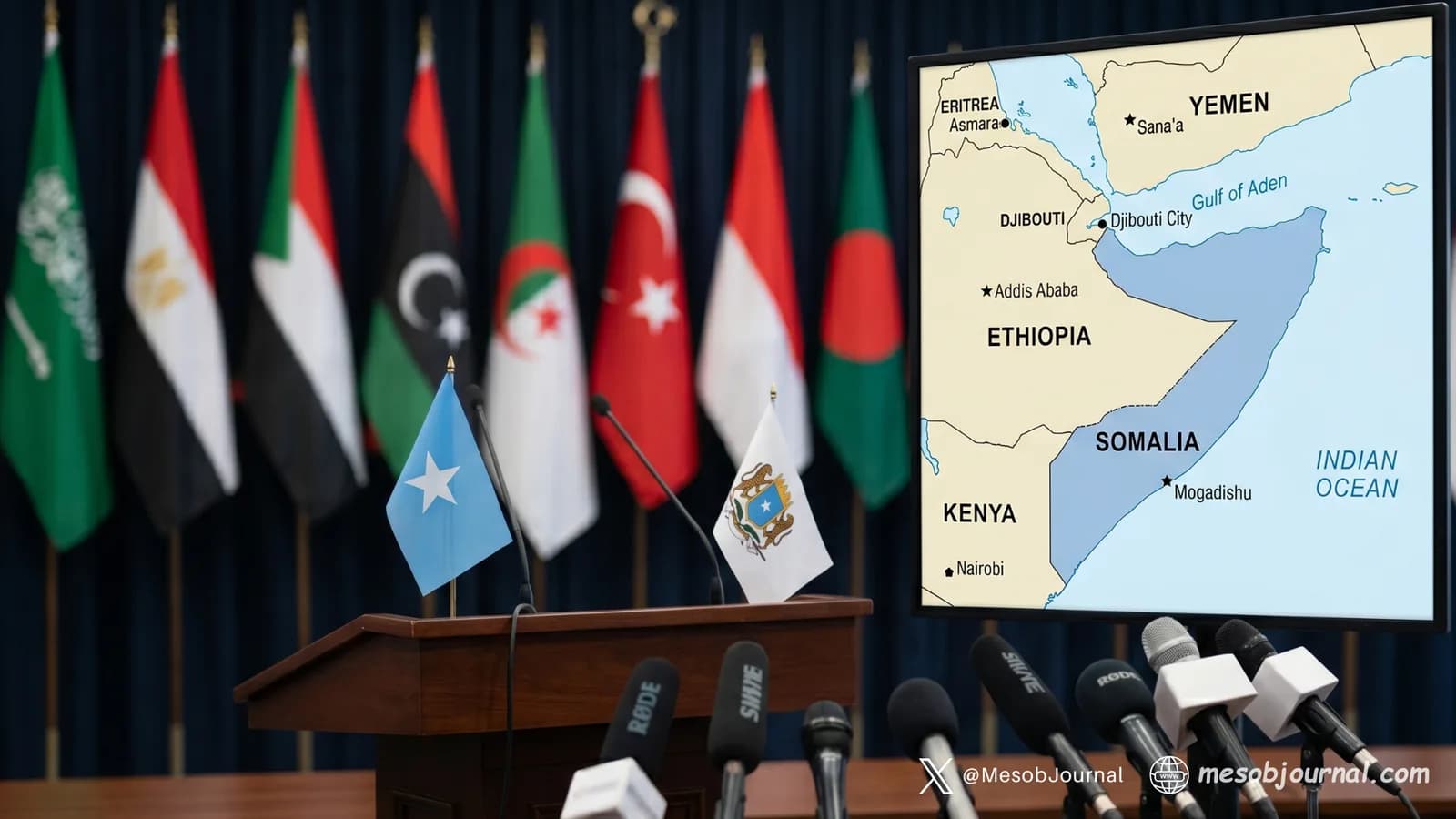

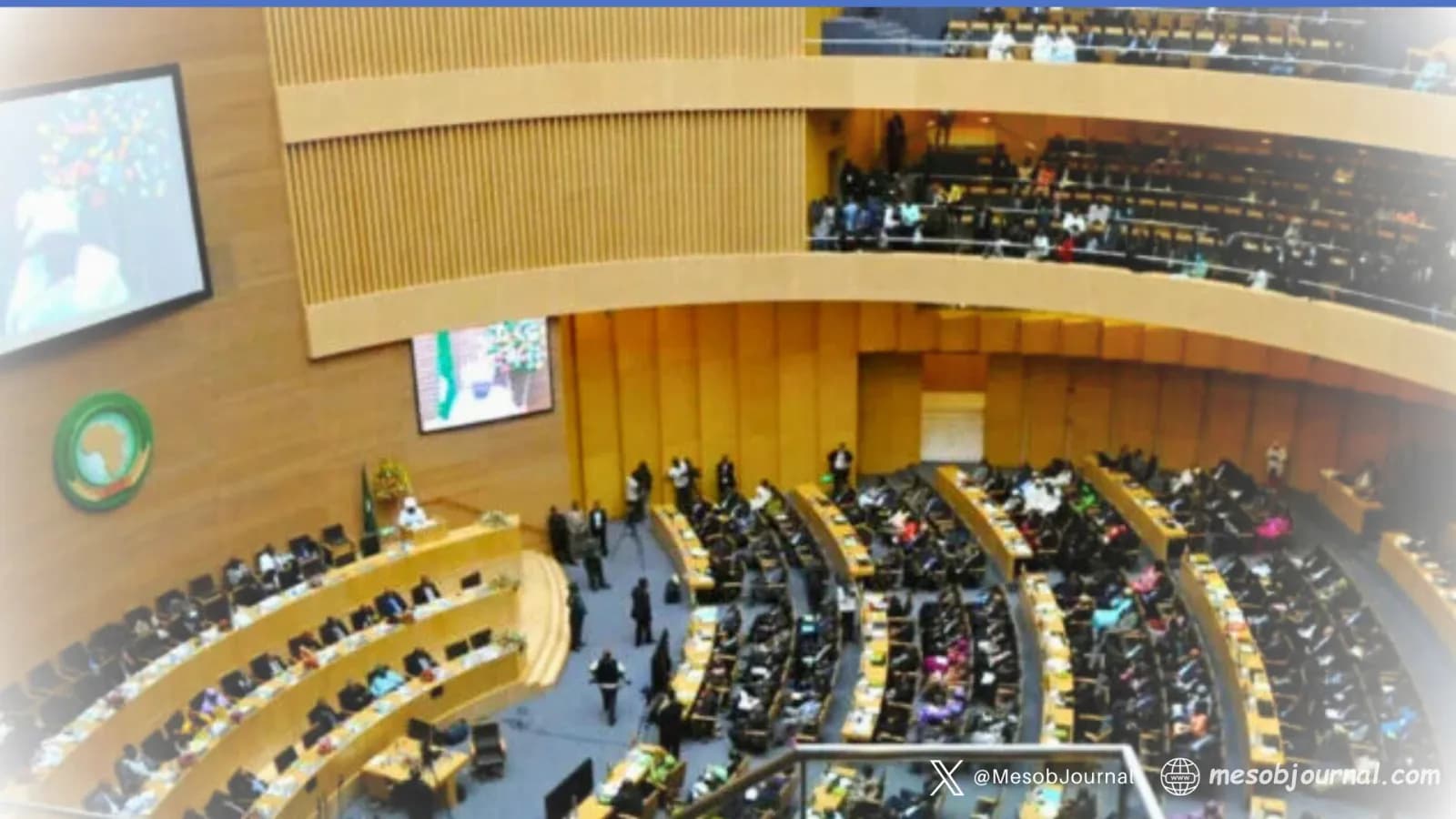
The African Union Peace and Security Council (PSC) has issued one of its clearest sovereignty statements on Somalia in years—explicitly condemning Israel’s unilateral recognition of the “so-called Republic of Somaliland,” demanding it be revoked, and warning that no actor has the standing to alter the territorial configuration of an AU member state.
Adopted at the PSC’s 1330th meeting in Addis Ababa on 12 February 2026, the communiqué doubles down on a simple message: Somalia’s unity and territorial integrity are non-negotiable, and outside moves designed to fracture the country will not be normalized—politically, diplomatically, or under international law.
What the communiqué actually does
1) It names Israel—and demands reversal.
The PSC strongly condemns and rejects Israel’s unilateral recognition of Somaliland and calls for its immediate revocation.
2) It closes the legal argument.
The PSC says bluntly that Somalia’s borders aren’t up for outside bargaining. Any unilateral “recognition” move, it says, carries no legal weight.
3) It treats the Somaliland push as a security problem for the whole region.
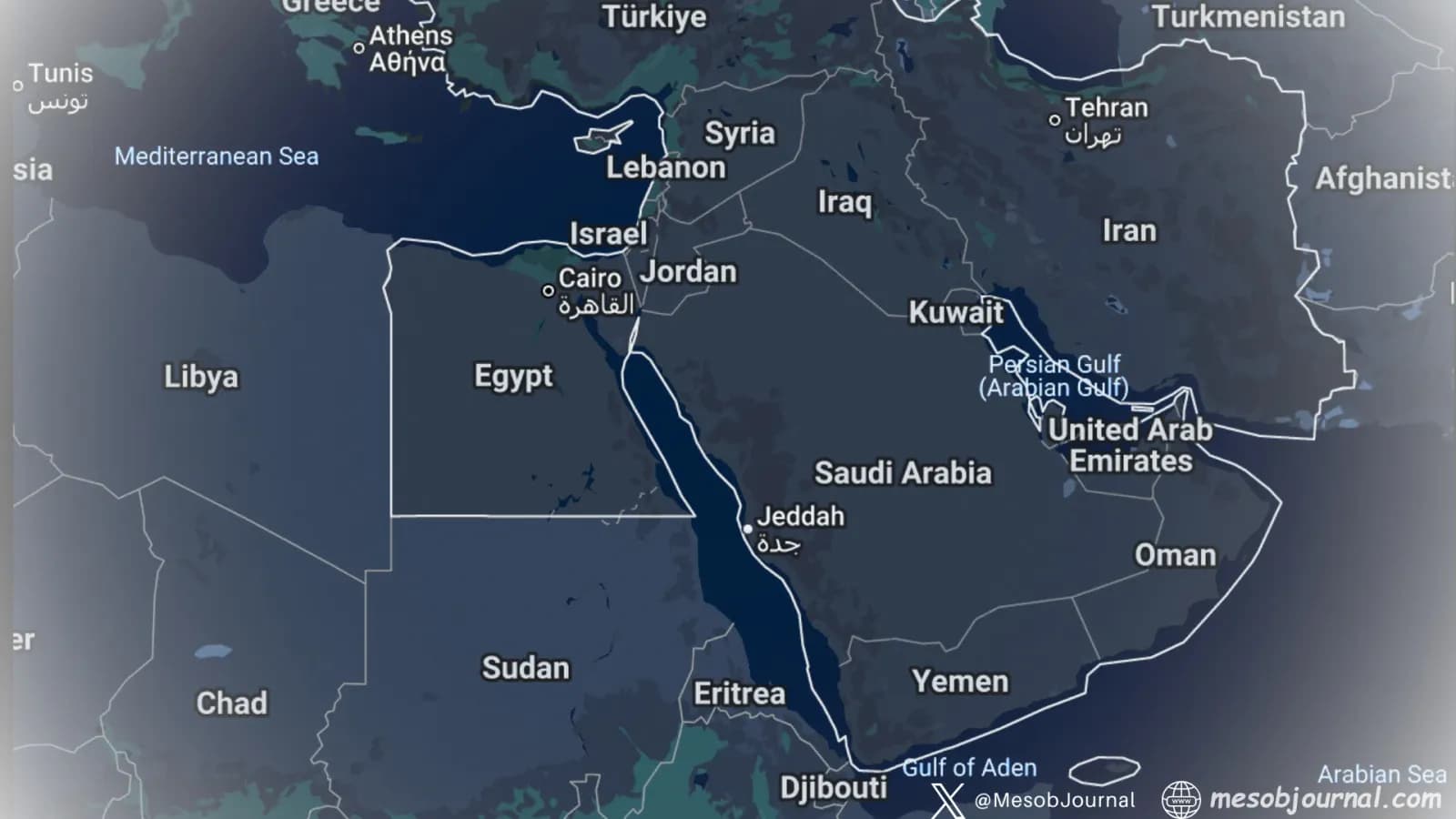
The council warns that this kind of move doesn’t stay political for long. It risks destabilizing the Horn, complicating security coordination, and encouraging copycat plays elsewhere on the continent.
4) It calls for a wider diplomatic line-up behind Somalia—including at the UN.
Member states and partners are urged to reaffirm Somalia’s sovereignty and unity and support collective action in relevant UN bodies, including the General Assembly, to uphold Somalia’s territorial integrity.
The Ethiopia angle: where this fire actually started
The sequence didn’t begin with Israel. It began in Addis Ababa.
Ethiopia’s Somaliland MoU was the original breach—an attempt to treat a federal member state as if it were a sovereign counterpart, and to turn Somalia’s territorial question into a bargaining chip. Once that door was pushed open—and once Ethiopian officials let the “recognition” idea hang in the air—the rest became predictable: outside players started testing how far the precedent could be stretched. In that sense, UAE–Israel aren’t inventing a new playbook; they’re trying to walk through the corridor Ethiopia built.
That’s why the AU’s posture matters. It’s not just sending a message to today’s opportunists; it’s trying to close the loophole before it becomes a habit. Because if the continent tolerates one state reshaping another’s borders through side deals and diplomatic theatre, it won’t stop at Somalia. It becomes a template—copy-paste politics—for every fragile border on the map.
And this is the uncomfortable reality the communiqué is navigating: keep Somalia’s stabilization effort from wobbling, while also making sure the region doesn’t quietly “normalize” the very maneuver that triggered the crisis. The culprit is still the one who struck the match.
AUSSOM and Somalia’s internal cohesion are treated as the other front
Beyond the Somaliland rebuke, the communiqué presses Somali stakeholders to tighten internal cohesion—because fragmentation inside Somalia makes external meddling easier.
Key points the PSC highlights:
- It urges the Federal Government to establish structured dialogue with Federal Member States, explicitly noting that political distance and contested cooperation complicate stabilization and the fight against Al-Shabaab.
- It welcomes the milestone of municipal elections held in December 2025.
- It welcomes recent gains against Al-Shabaab and calls for sustained operations, including rapid force generation and integration under a clear, hold and build approach.
- It welcomes Egypt’s stated readiness to deploy contingents and urges accelerated processes to avoid any security vacuum, alongside planned troop and police rotations.
The message to spoilers: the line holds
This communiqué is good news for Somalia because it does what many communiqués avoid: it names the sovereignty violation, demands reversal, and puts the AU’s legal doctrine on the record in blunt terms—while simultaneously trying to keep AUSSOM resourced and staffed so Somalia isn’t left exposed to Al-Shabaab or opportunistic regional games.