
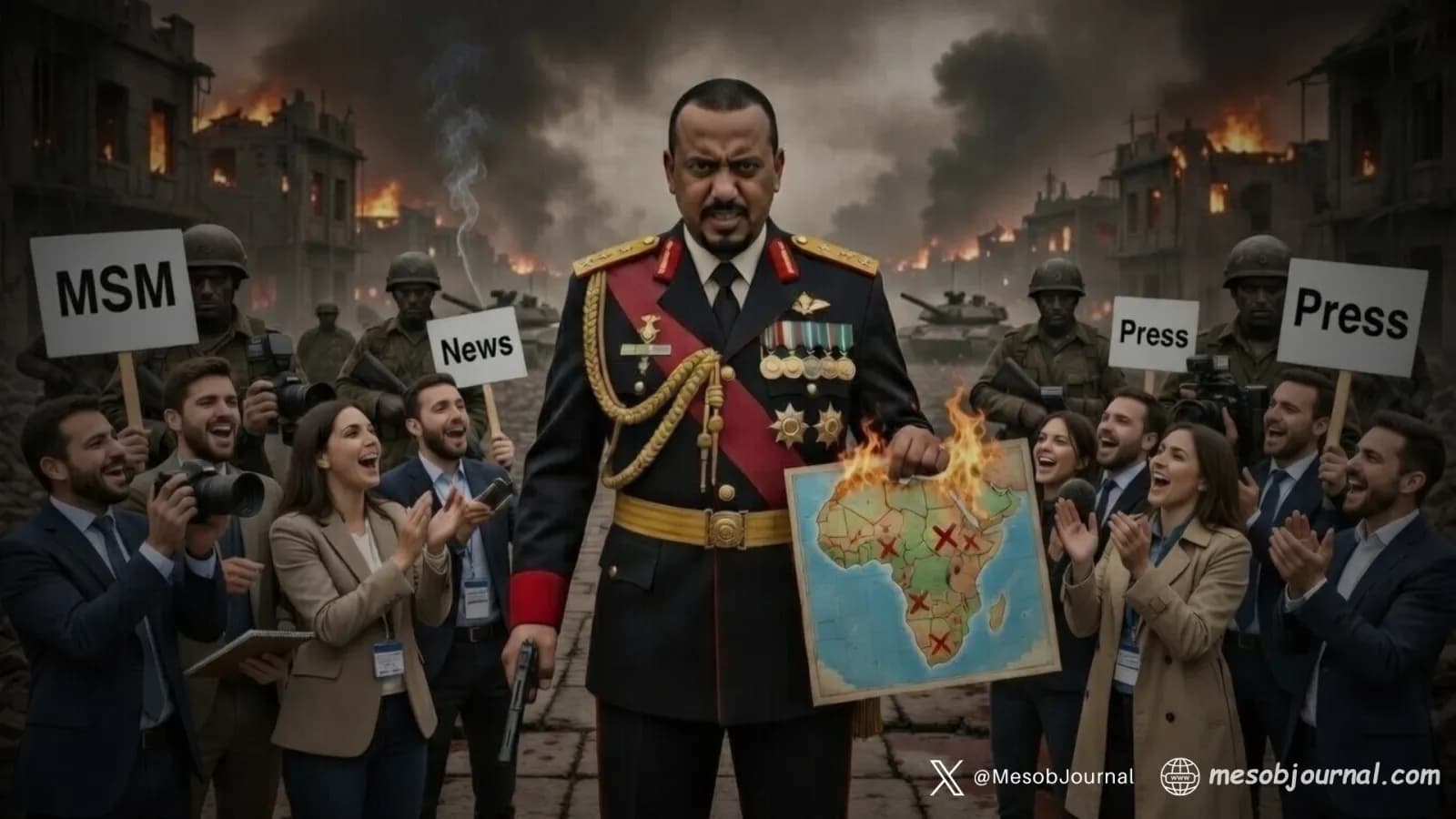
RFI’s February 22 piece tries to sound like a careful warning about a "widening rift" between Ethiopia and Eritrea. But the most consequential thing it does is much simpler: it normalizes an unlawful premise by handing it to a credentialed authority.
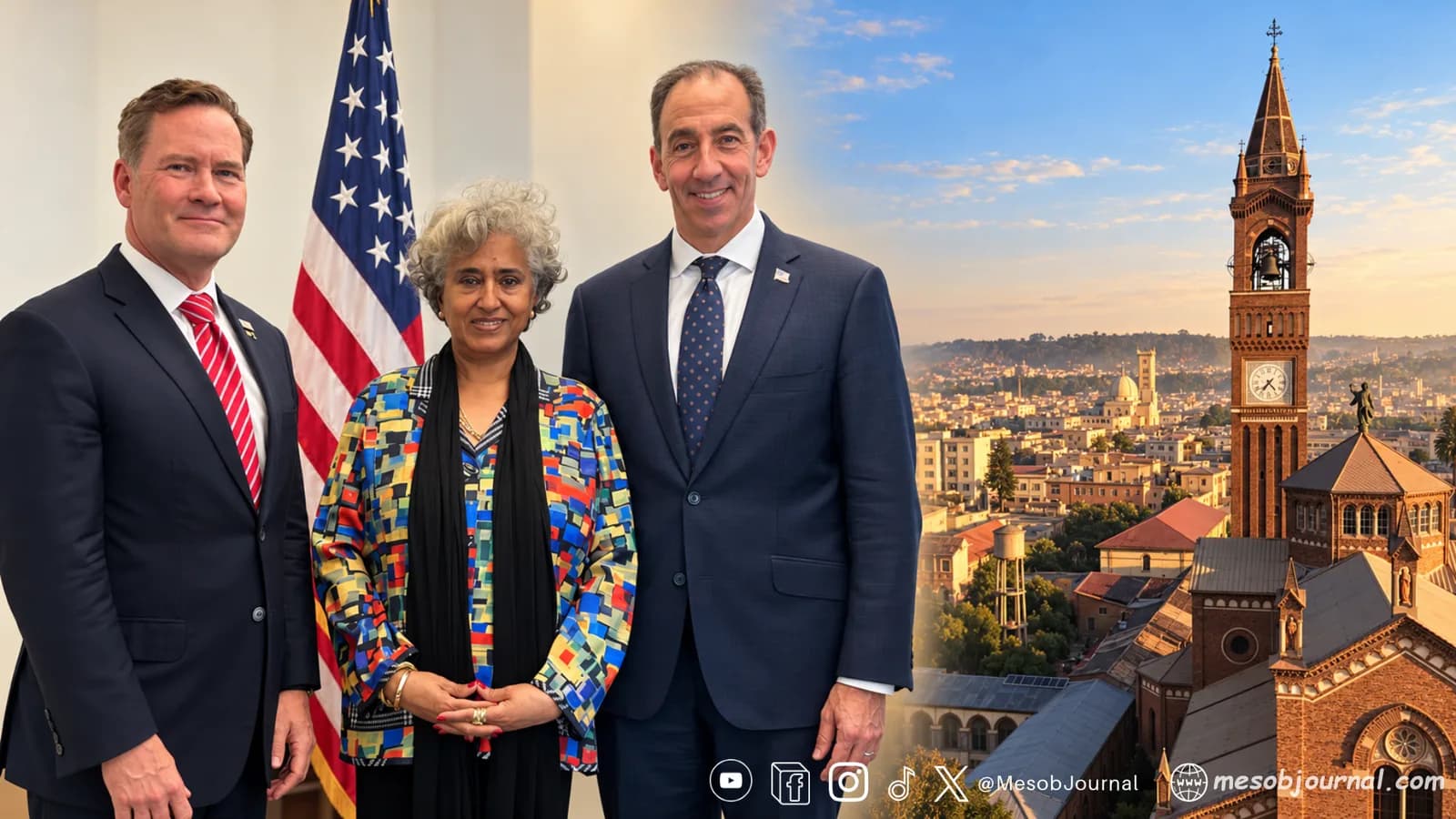
That authority is Clionadh Raleigh — not just a passing commentator, but President & CEO of ACLED and a professor at the University of Sussex.
RFI quotes her making the case that because Ethiopia is “much larger” and has “120 million people,” it “has every right” to sea access. That isn’t a neutral observation. It’s a political argument dressed up as expertise — and in this region, that kind of argument is how wars get marketed to the public before they’re launched.
The Raleigh problem: turning “big population” into “bigger rights”
ACLED is widely treated as a serious conflict-data institution. That’s exactly why the framing matters. When the head of a conflict-data organization uses “every right” language about access to the sea, and does it in a way that reads like entitlement, it blurs a line international law is built to protect: sovereignty is not negotiable because one neighbor is bigger.
If your starting point is “size creates rights,” you’re no longer discussing trade logistics. You’re just rehearsing a justification for pressure — and, eventually, coercion.
And that’s the quiet sleight-of-hand in RFI’s piece: it uses Raleigh’s authority to make an extreme, legally untenable claim feel like common sense.
Where the law draws the line
International law is not confused about this.
- UN Charter, Article 2(4): states must refrain from the threat or use of force against another state’s territorial integrity or political independence.
- UNGA Resolution 2625: no territorial acquisition resulting from the threat or use of force can be recognized as legal.
- UNCLOS, Article 125: landlocked states have a right of access to and from the sea, but through transit states, and the “terms and modalities” are agreed between the states concerned. That means negotiated corridors, commercial arrangements, and treaties — not demographic entitlement, not “historical correction,” and not threats.
So if someone wants to talk about “rights,” fine. Let’s use the real vocabulary: commercial access by agreement. Not access by pressure. Not access by fantasy maps. Not access by someday “reintegration.”
The basic reality RFI downplays: Ethiopia already trades through the sea
If this were honestly about commerce, it would be boring: contracts, fees, corridors, capacity.
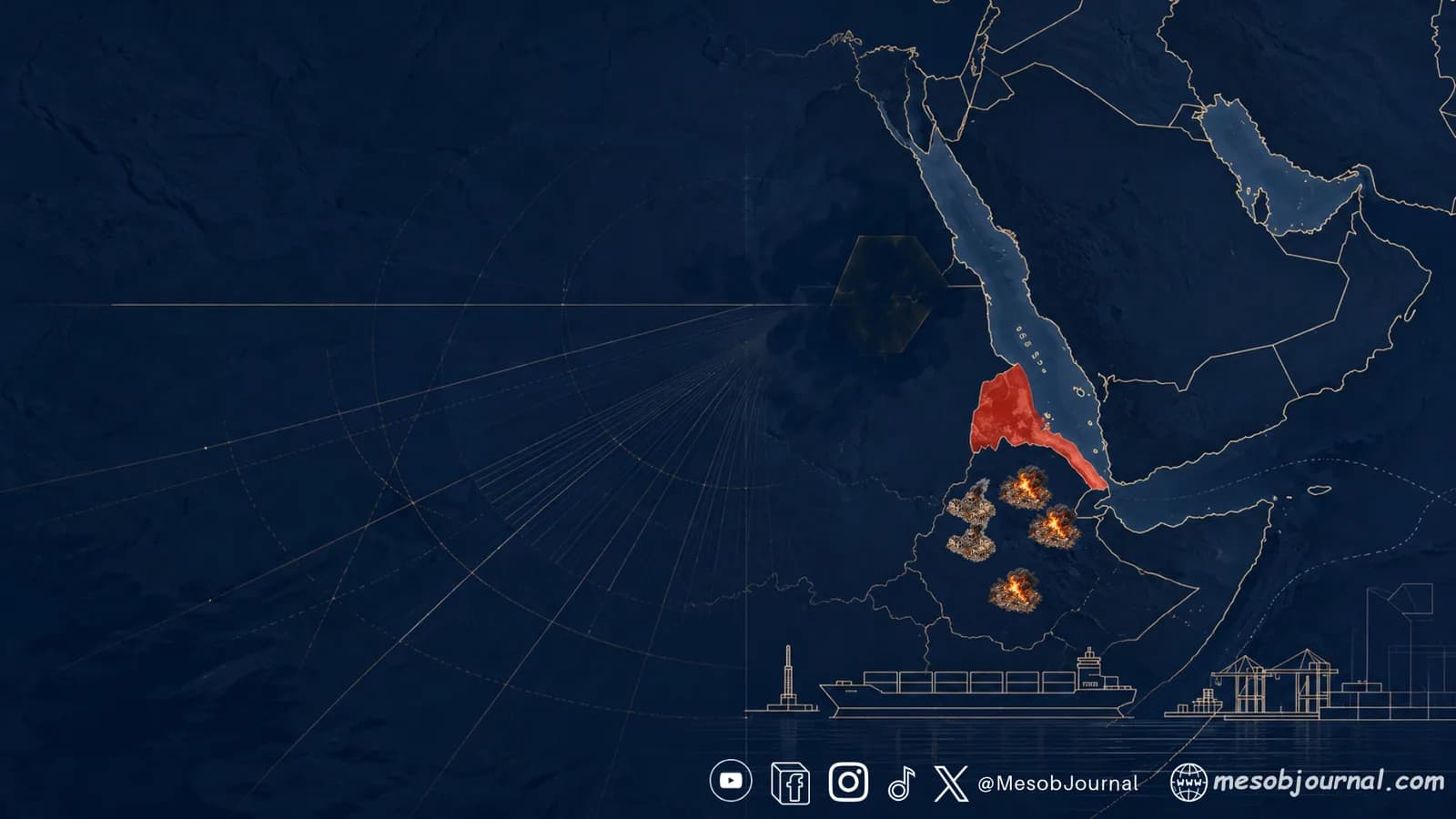
Ethiopia already moves the bulk of its trade through Djibouti — the World Bank notes that over 95% of Ethiopia’s import-export trade by volume uses the Addis–Djibouti corridor.
And the bigger point gets buried: Eritrea didn’t “deny Ethiopia the sea” as a matter of policy. After Eritrea’s independence, Ethiopia operated for years with privileged port arrangements — including Assab as a free-port setup for Ethiopian trade, with practical mechanisms that made the route commercially workable.
Even after the relationship deteriorated, the record still undercuts the moral drama. The Eritrea-Ethiopia Claims Commission’s ports award found evidence that Assab remained open to Ethiopian cargo movements for a number of days after hostilities began, including cargo loaded for export and transit to Ethiopia. And in late 2002, Eritrea publicly offered Massawa and Assab for food-aid deliveries — Ethiopia declined.
So the storyline that Eritrea “closed the sea” on Ethiopia doesn’t hold up in any absolute sense. Yet the facts haven’t changed. Eritrea never closed the door. Ethiopia walked away — and now wants to rewrite the story.
Which brings us back to why Raleigh’s quote is so reckless: it quietly shifts the debate from commercial access (which exists) to coastal entitlement (which international law rejects).
“Reintegrate Eritrea” is not analysis — it’s annexation talk with perfume on it
RFI goes further and floats the idea that Addis “hopes to reintegrate [Eritrea] into a larger Ethiopia” over the next generation. That is not a harmless forecast. It’s annexation language—normalized.
And it’s detached from the Ethiopia that exists right now. Addis isn’t running a calm, consolidated state patiently thinking about “next-generation reintegration.” It’s trying to hold a fractured country together while multiple conflicts grind on, security crises flare, and politics keep hardening into emergency mode. In that setting, expansion talk isn’t a “vision.” It’s a pressure-release valve — something loud to sell at home when the home front is burning.
Under the UN system, Eritrea is a sovereign state. Full stop. If a media outlet is going to platform “reintegration” talk, it should label it for what it is: a denial of sovereignty—and the kind of storyline that has historically preceded attempts to redraw borders.
How the rest of the article props up the frame
Once the “big country, big rights” idea is planted, everything else in the piece works to keep the reader in a fog:
- Anonymous sourcing and “information circulating” lines are used to imply movements and intentions as near-fact, while leaving accountability offstage.
- Inflammatory labeling substitutes for verification and encourages the reader to treat Eritrea’s sovereignty claims as personality problems rather than legal realities.
That’s not an accident. It’s how you sell a “both sides” storyline while nudging audiences toward accepting one side’s entitlement narrative as normal.
The escalation incentive is real — and it’s coming from Addis politics, not Asmara’s coastline
What Addis has been selling isn’t a trade problem. It’s a revisionist claim — “history went wrong, and we’ll correct it” — with Assab sitting at the center of the fantasy.
Abiy’s own record spells it out. In his 13 Oct 2023 televised address to parliament, he framed port access as existential, invoked “natural rights,” and warned that if Ethiopia’s demand isn’t met, “it’s a matter of time… we will fight.”
That wasn’t a one-off. The same brief notes the message had already been sharpened in a prior address to business elites: Ethiopia wants a port “peacefully,” but if that fails, it will use force.
From there, the storyline hardens into the “historical correction” script. A major German policy institute (SWP) describes Abiy’s government as treating sea access as compensation for a “historical mistake” — "granting Eritrea independence in 1993" and “giving up access to the sea.”
And by 2025, the rhetoric was no longer subtle. AP reported Abiy saying Ethiopia losing Red Sea access through Eritrea’s secession was a “mistake” that “will be corrected.”
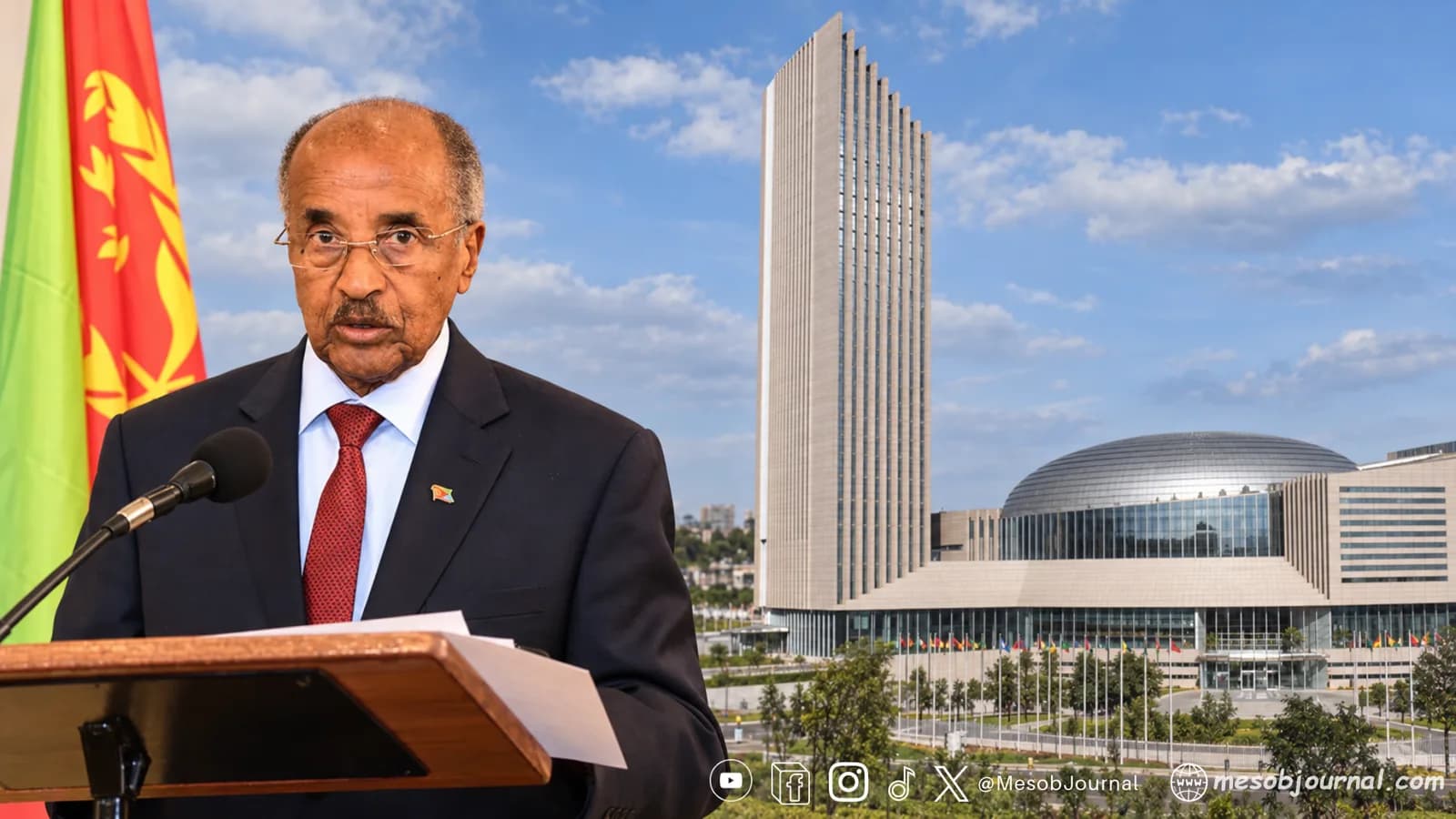
This is exactly why Eritrea calls it a threat, not a debate. In a June 2025 message circulated under Ministry of Information attribution, Yemane G. Meskel pointed to PP officials and zealots going beyond “sovereign sea access” talk to openly float “reclaiming by force the stolen port of Assab” — language aimed at delegitimizing Eritrea’s independence itself.
Even Ethiopia’s diplomacy now shows the linkage: in a February 2026 letter reported by Reuters, Addis paired accusations with an “openness” to talks including maritime issues and access to Assab — classic pressure politics dressed up as dialogue.
Eritrea’s restraint is the only adult position on the table
Eritrea’s consistent position is simple: no appetite for war, no interest in theatrics — but no surrender of sovereignty either. That’s not belligerence. That’s the baseline expectation of every UN member state.
What deserves scrutiny is the attempt — by media and “experts” — to mainstream the notion that population size creates a right to someone else’s coast. If that logic is allowed to stand in the Horn, no border in Africa is safe from the next “existential” claim.
RFI could have told this story responsibly by grounding it in law: access rights exist, yes — but they live inside negotiated agreements. Instead, it used ACLED’s CEO to make entitlement sound respectable.
That’s the tell. And that’s why this piece should be treated not as sober conflict prevention, but as narrative preparation.