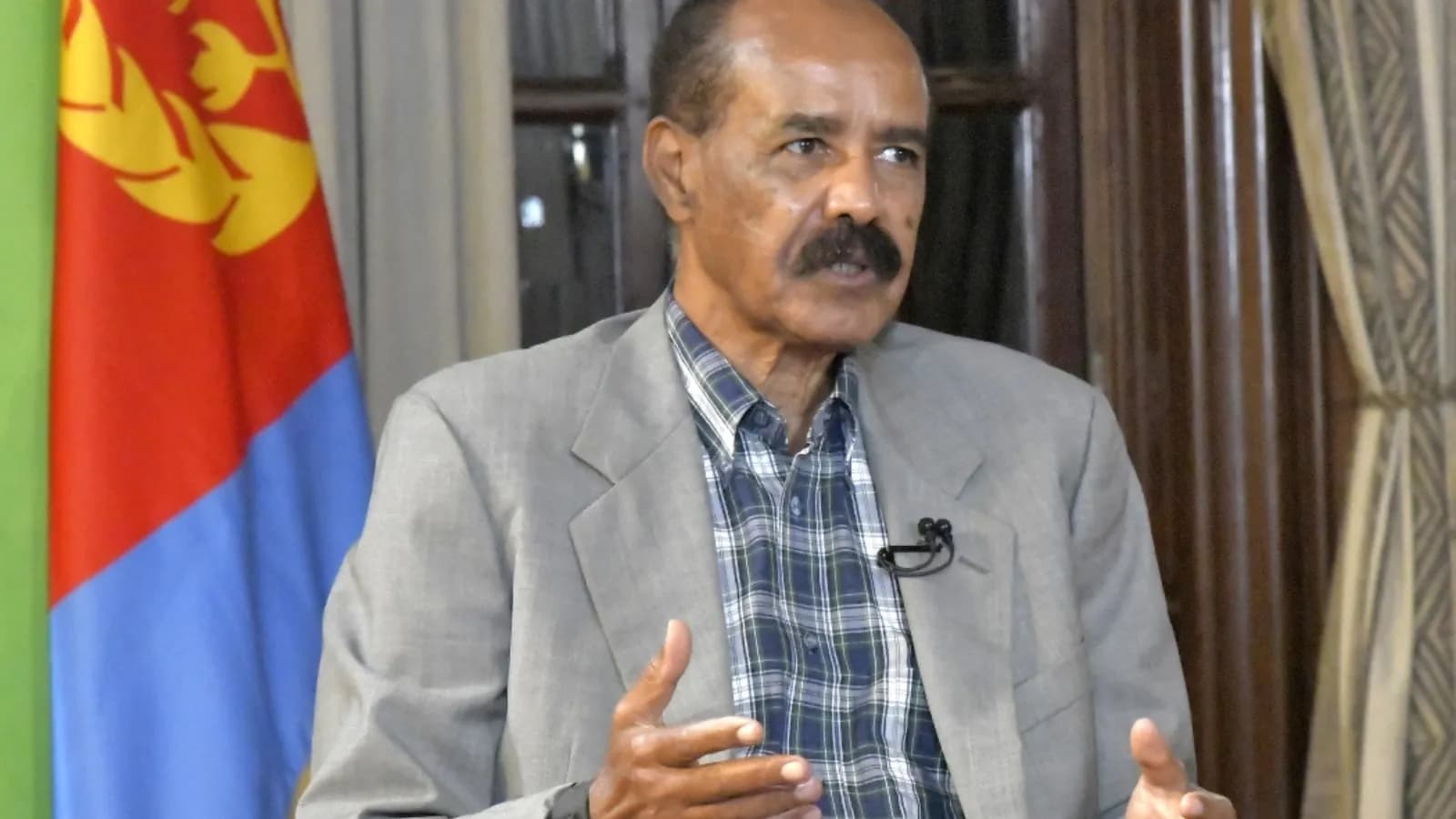

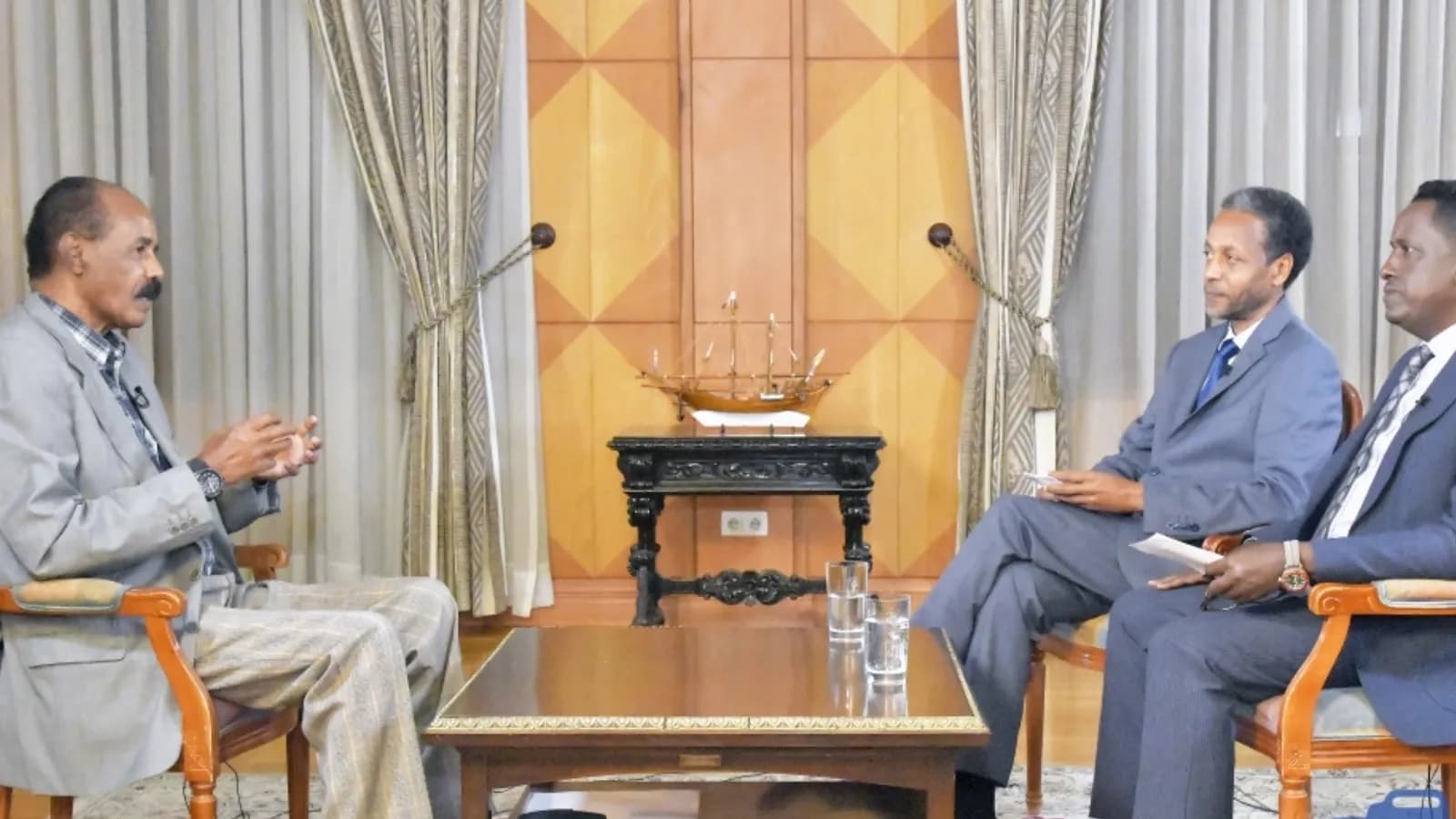
In a detailed interview with local media, President Isaias Afwerki unveiled the Government of Eritrea's (GOE) ambitious developmental priorities for 2025, highlighting strategic initiatives across critical sectors including water infrastructure, energy, housing, transport, and investment. The plans underscore Eritrea’s commitment to fostering sustainable development and improving living standards for its citizens.
Water Infrastructure: A Foundation for Growth
President Isaias emphasized Eritrea’s extensive water conservation efforts as the cornerstone of its development strategy. He detailed the significant progress made in recent years, including the construction of major dams with a combined capacity of 330 million cubic meters and a comprehensive network of smaller dams and reservoirs.
“These initiatives are accompanied by rigorous re-afforestation programmes,” he noted, underscoring the ecological dimension of the projects. Looking ahead, the government plans to expand irrigation schemes to enhance agricultural productivity and ensure food security.
Diversified Energy Solutions
Energy development emerged as another focal point of Eritrea’s blueprint for 2025. The government is pursuing a diversified strategy involving thermal, solar, wind, and geothermal hybrid systems to meet the nation’s growing energy needs.
“This approach will not only provide reliable power but also align with global trends toward sustainable and renewable energy solutions,” President Isaias explained, positioning Eritrea as a proactive player in the green energy sector.
Revitalizing Housing and Transportation
The interview also shed light on plans to address Eritrea’s housing needs through improved efficiency in construction. The restructuring of state-owned construction companies is expected to streamline the implementation of new housing schemes, offering better urban planning and living conditions.
In the transportation sector, the government plans to procure additional buses to serve underserved areas, particularly at subsidized prices. This initiative aims to improve connectivity and accessibility for Eritrea’s rural and urban populations alike.
Manufacturing and Value Addition
Revitalizing the manufacturing sector is a key priority for Eritrea’s economic development. The government plans to focus on value-added production, moving away from raw material exports to more profitable, processed goods.
“This shift is essential for driving industrial growth and creating employment opportunities,” President Isaias said, signaling a new era for Eritrea’s economy.
Encouraging Investment and Diaspora Engagement
In a bid to boost economic growth, the GOE will actively promote private investment, with a particular emphasis on engaging Eritreans in the diaspora.
“Eritreans abroad have the financial capabilities and technical expertise to contribute significantly to our development,” President Isaias highlighted. The government aims to attract investment not only in the traditional hospitality sector but also in agriculture, manufacturing, and mining, diversifying the economy and fostering innovation.
A Vision for Sustainable Progress
President Isaias’s comprehensive outline of Eritrea’s developmental roadmap for 2025 reflects a pragmatic yet ambitious vision for the nation’s future. With strategic investments in infrastructure, energy, housing, transportation, and industrialization, the GOE aims to lay a strong foundation for sustainable growth.
As these initiatives unfold, Eritrea’s ability to balance its developmental aspirations with the realities of limited resources and external challenges will be critical. However, the government’s clear focus and multi-sectoral approach suggest a determined push toward progress that could transform the nation’s economic and social landscape in the years to come.