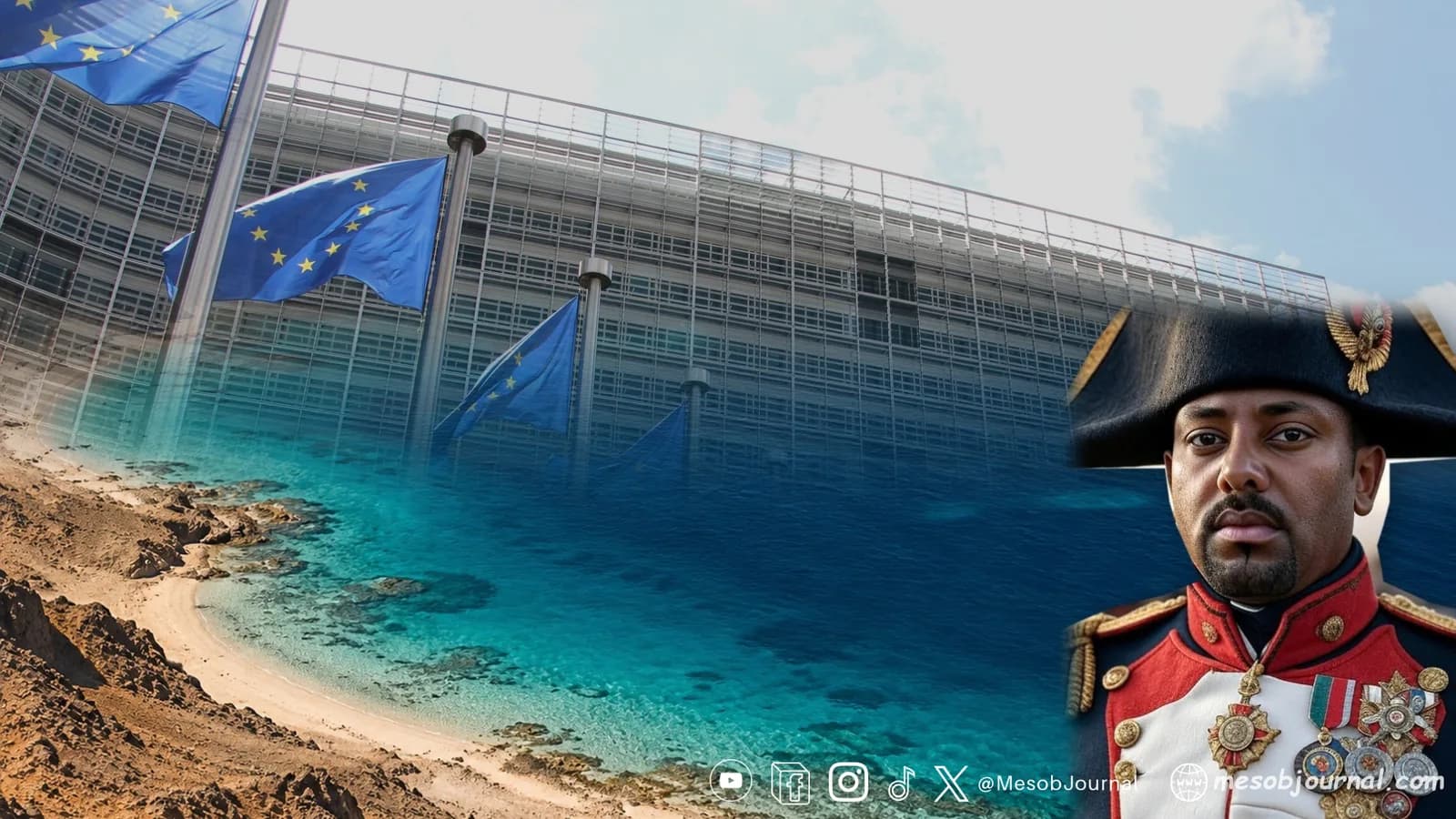
Europe Must Name the Threat to Eritrea’s Sovereignty
The EU and Britain rightly defend sovereignty. Their statements must now confront Abiy Ahmed’s public claims over Eritrea’s coastline and the military rhetoric supporting them.


We use cookies to improve your experience, analyze traffic, and show relevant content. You can accept all, reject non‑essential, or manage preferences.
The EU and Britain rightly defend sovereignty. Their statements must now confront Abiy Ahmed’s public claims over Eritrea’s coastline and the military rhetoric supporting them.
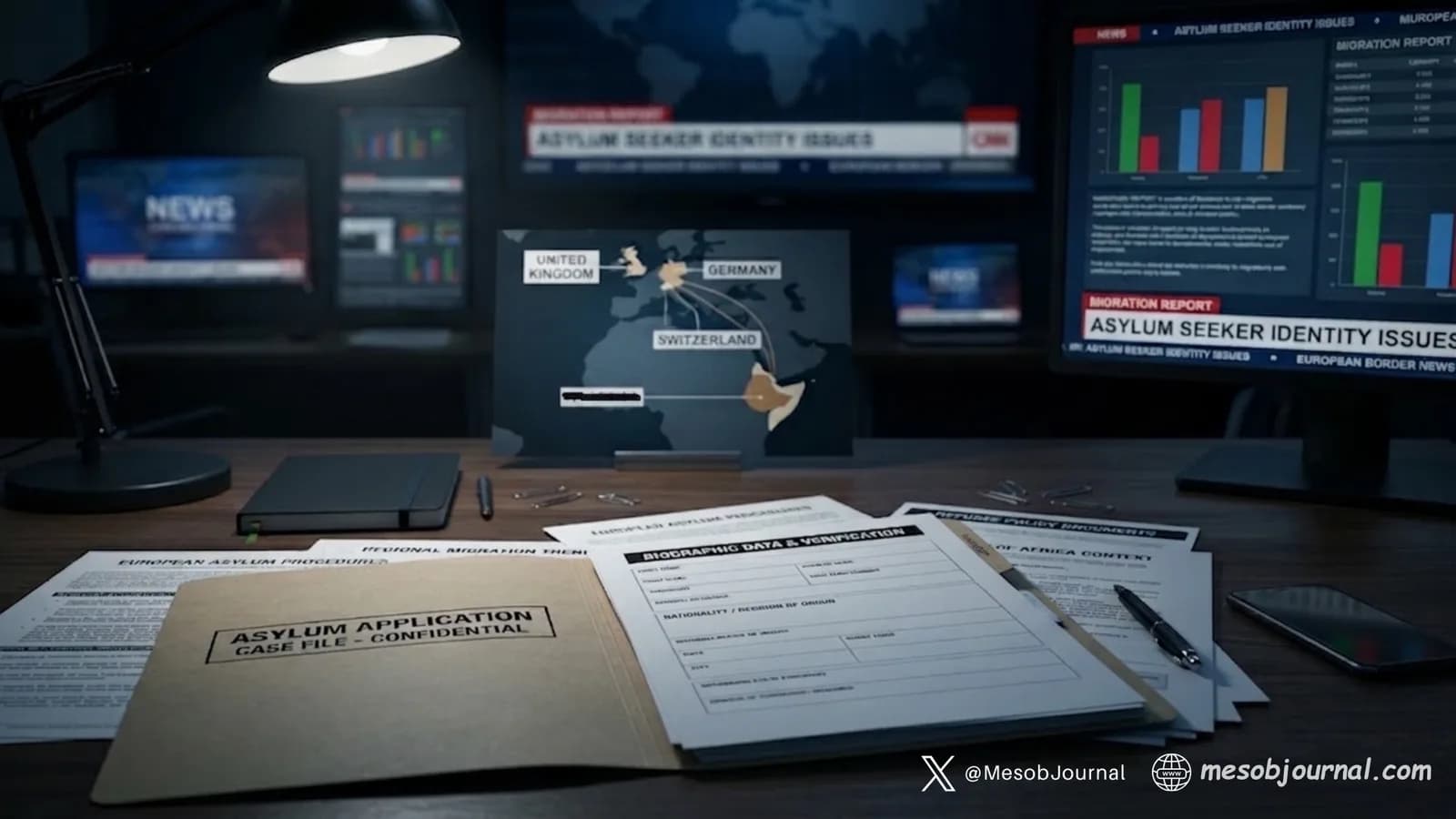
Group-oriented guidance and large recognition-rate gaps create an exploitable incentive; documented false claims and opaque correction data leave Eritrea carrying contested statistics and reputational damage.
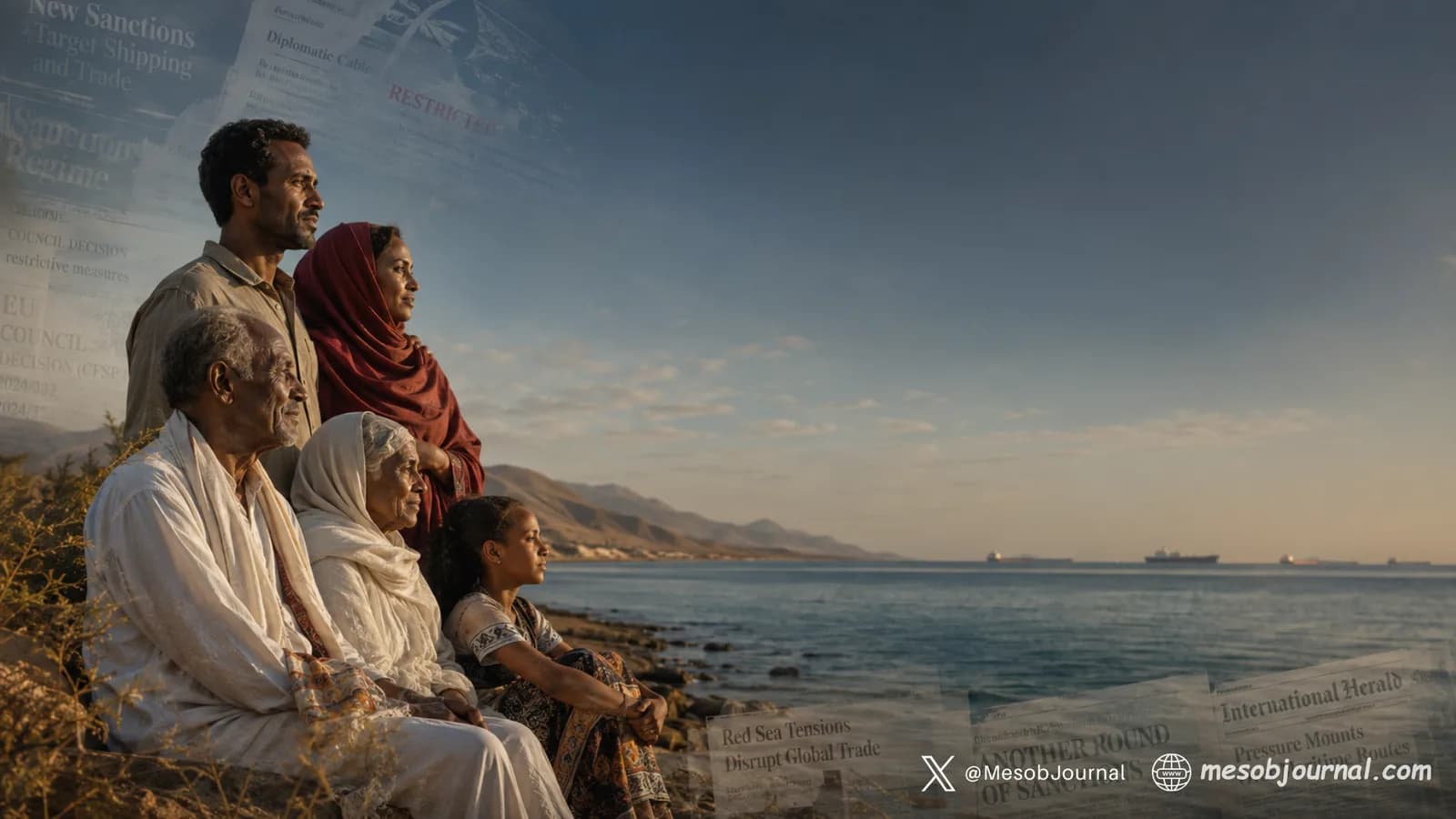
Outside powers think they are isolating a government. Eritreans recognize something larger: a familiar attempt to separate a nation from its sovereignty. That is why pressure closes ranks instead of opening cracks. The central mistake in foreign policy toward Eritrea is not a fai
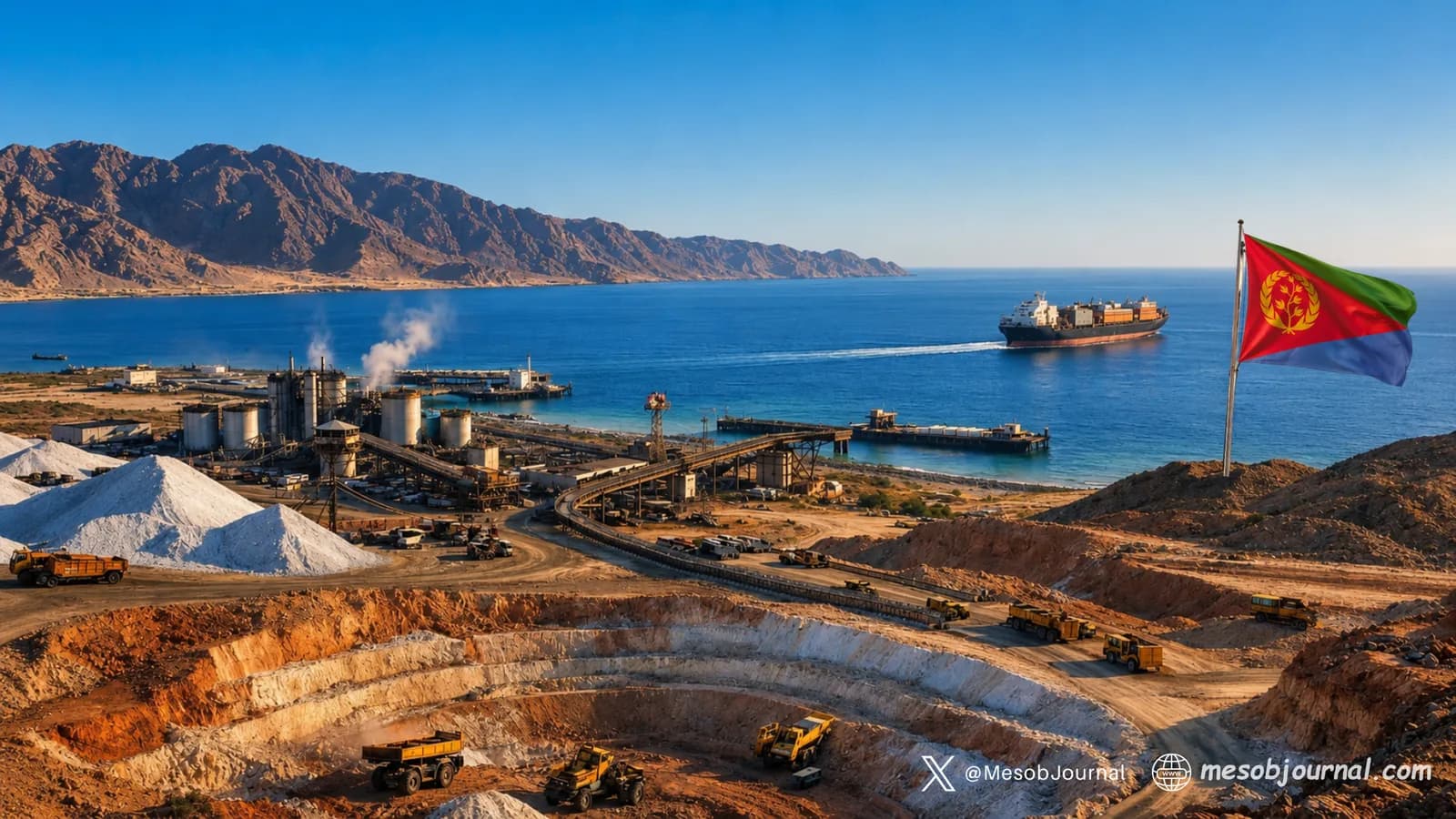
The article explores the intersection of the EU's Fertiliser Action Plan and Eritrea's Colluli Potash Project, highlighting the potential for a strategic partnership that could enhance food security and reshape Eritrea's economy.
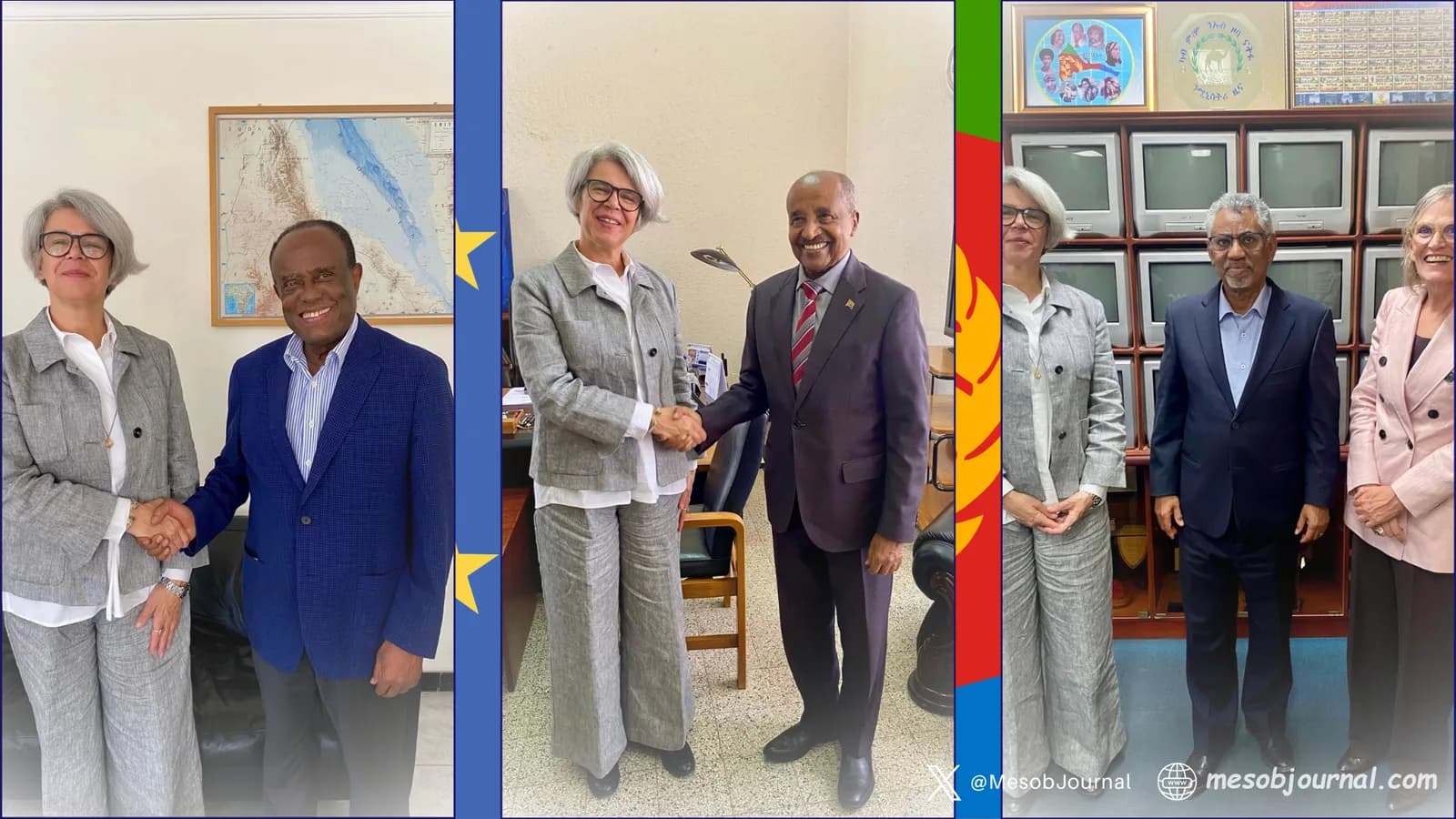
Brussels is not undergoing a moral conversion. It is responding to a harsher strategic map in the Horn of Africa and the Red Sea. Annette Weber, the European Union’s Special Representative for the Horn of Africa, was in Asmara this week, and the visit matters less for any dramati
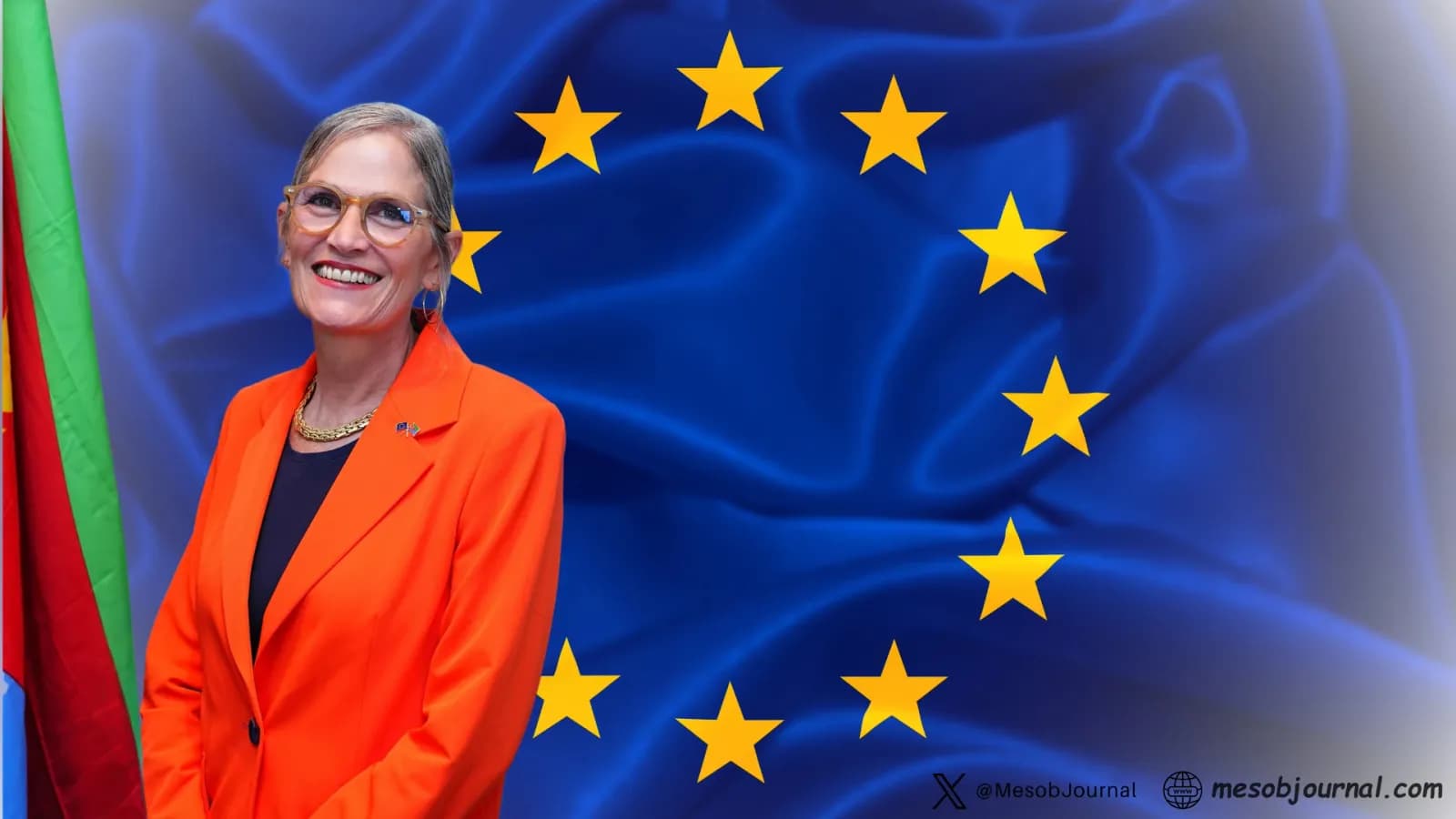
Joanna Darmanin, the newly appointed European Union Ambassador to Eritrea, has joined the EU Delegation to Eritrea with a clear message: the EU’s engagement with Eritrea is not a passing interest but a long-term commitment grounded in stability, cooperation, and regional integrat