
Brussels is not undergoing a moral conversion. It is responding to a harsher strategic map in the Horn of Africa and the Red Sea.
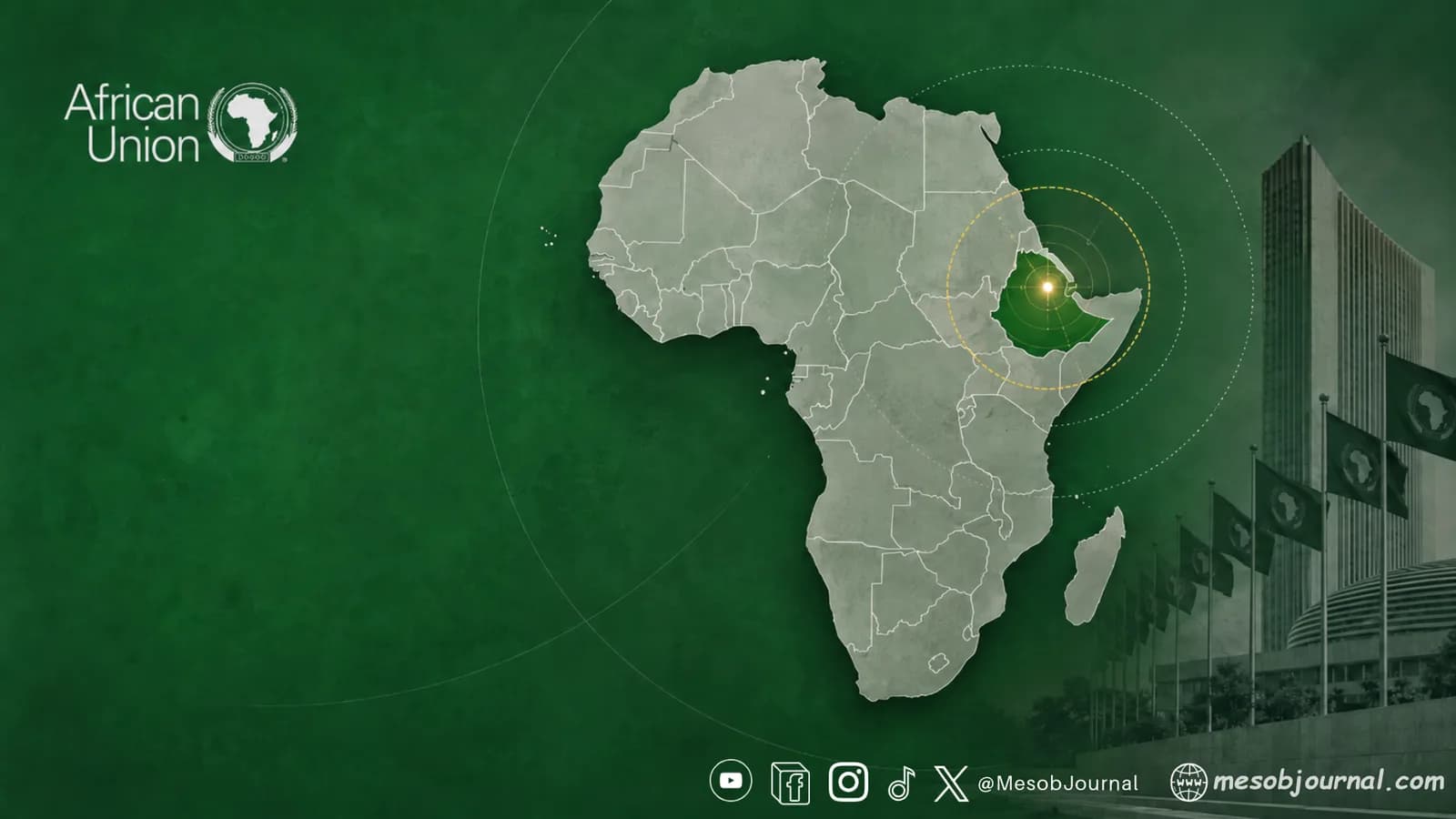
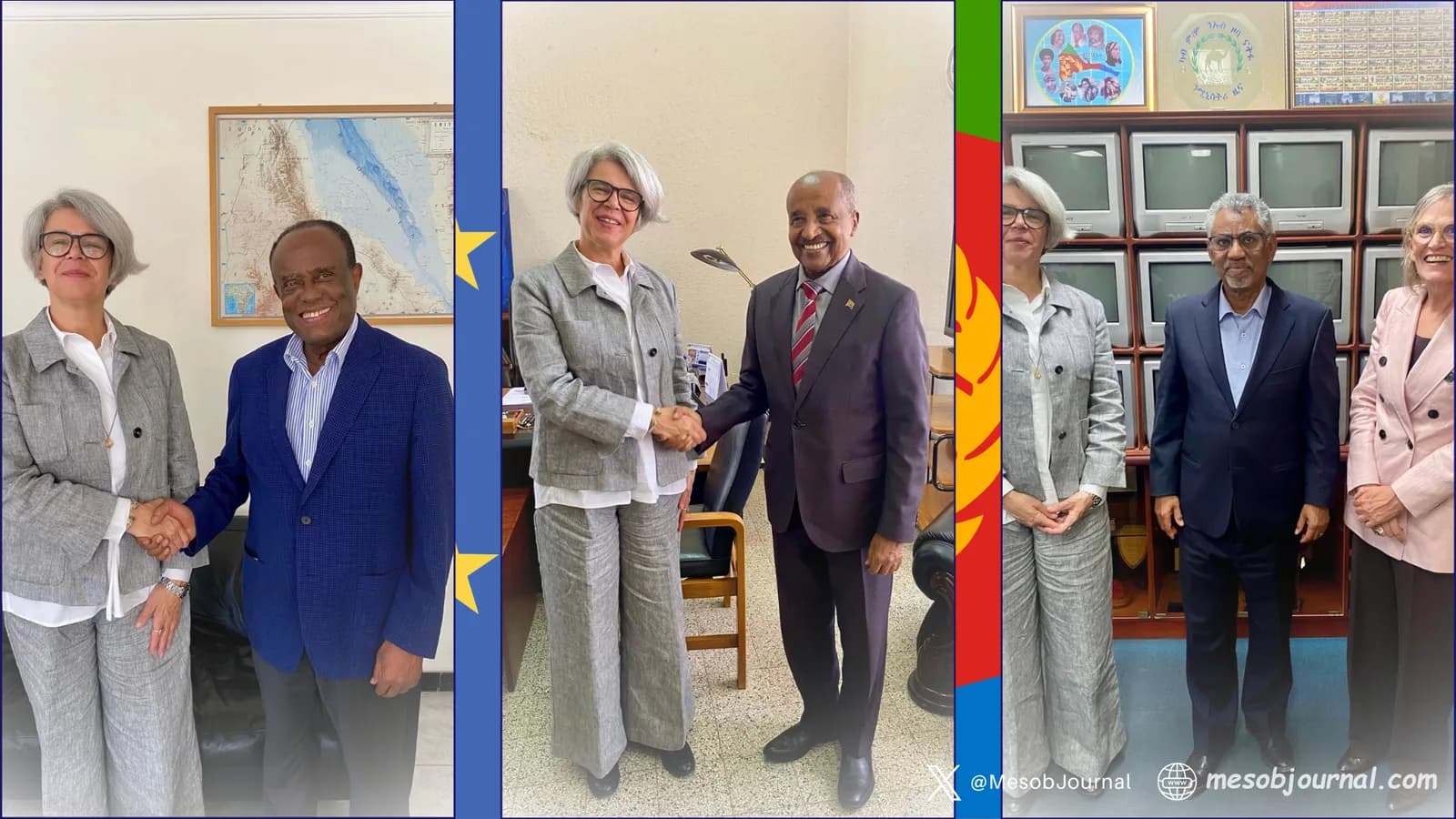
Annette Weber, the European Union’s Special Representative for the Horn of Africa, was in Asmara this week, and the visit matters less for any dramatic symbolism than for what it confirms: Eritrea is back inside the European Union’s active strategic calculations. From Brussels’ side, this does not look like a sudden policy reversal or a newfound political affection. It looks like urgency. The Red Sea shipping crisis, the war in Sudan, US-Israeli war on Iran, migration pressures, and mounting instability across the wider Horn and beyond have pushed Eritrea back into a category the EU understands very well: too important to ignore.
That shift has been building for some time. The EU’s Horn of Africa strategy, adopted in 2021, already described the region as a “geo-strategic priority” and tied European engagement to security, migration, regional stability, and the wider maritime space connected to the Red Sea. In other words, the framework was already there. What changed was not the existence of EU priorities, but the intensity of the threats attached to them.
The clearest public sign of this more pragmatic tone came in September 2025, when Eritrean Foreign Minister Osman Saleh met Weber in New York on the sidelines of the UN General Assembly. Eritrea’s official account of that meeting said the talks focused on peace and security in the Red Sea and the Horn of Africa, as well as EU-Eritrea cooperation. More importantly, Weber was said to have commended Eritrea’s role in maintaining maritime safety and security in the Red Sea. That was not casual language. It was the most direct public indication yet that the EU was beginning to treat Eritrea not merely as a political outlier, but as a relevant actor in one of the world’s most sensitive maritime theatres.
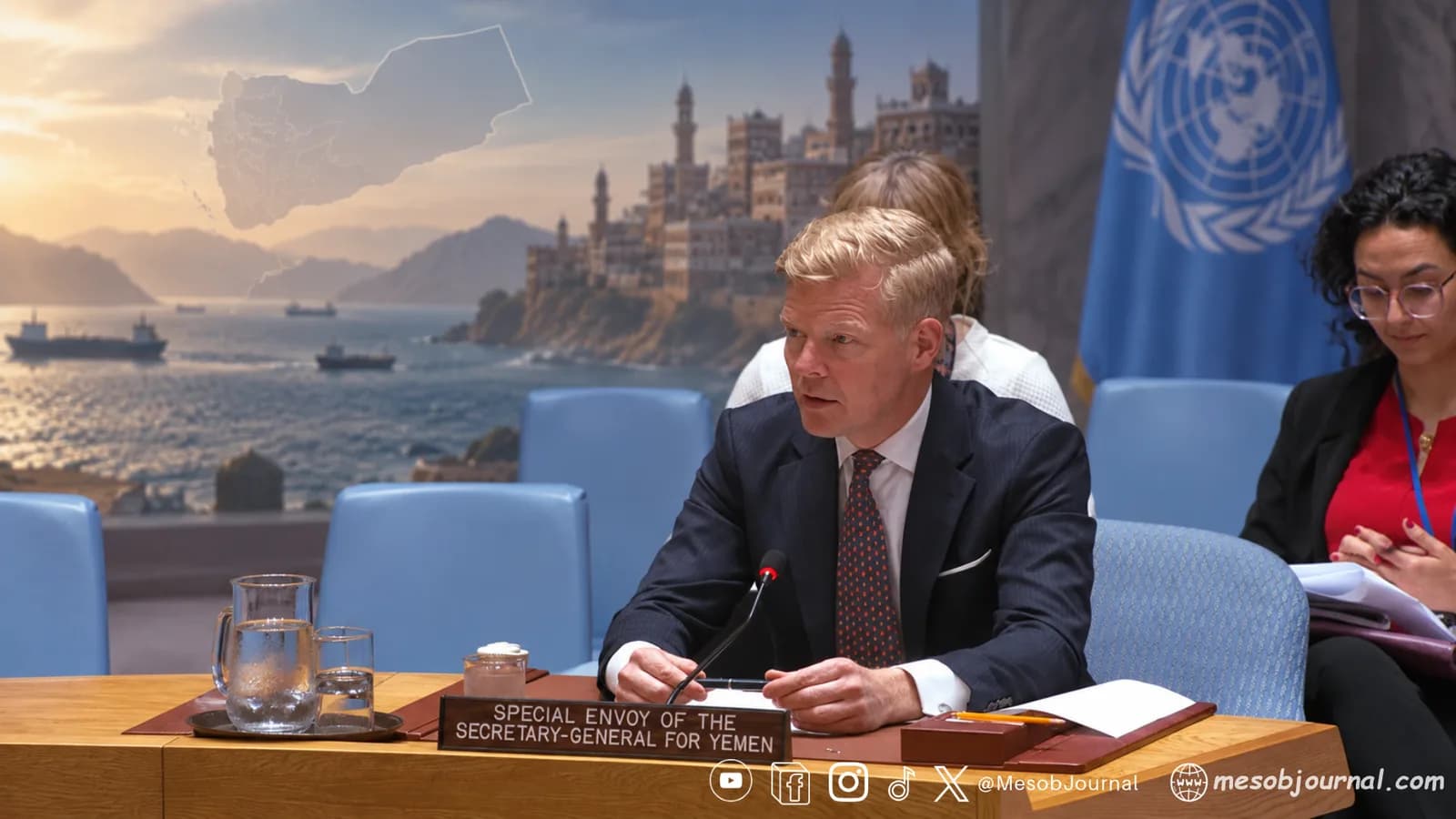
The first driver of this re-engagement is the Red Sea itself. Since Yemen’s Houthi attacks on commercial shipping, maritime security has moved from a policy concern to an economic and strategic emergency for Europe. In February 2026, the Council of the European Union extended Operation ASPIDES and stated plainly that the mission exists to safeguard freedom of navigation, protect merchant and commercial vessels, support regional stability, and protect global trade flows. For Brussels, that is not abstract doctrine. It is a recognition that the Red Sea crisis directly affects European trade and supply chains. Once that becomes the lens, Eritrea’s location is impossible to dismiss.
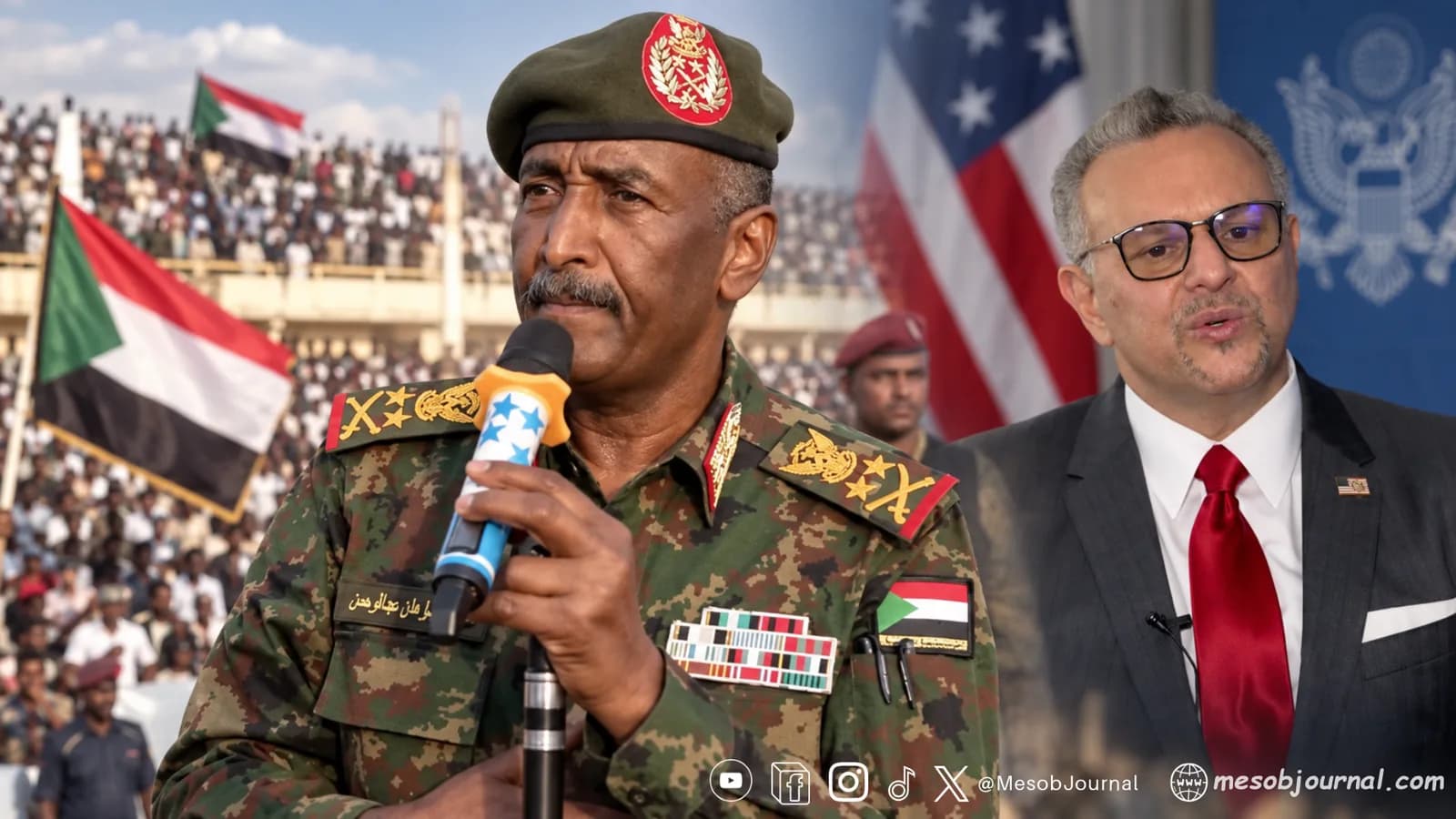
The second driver is Sudan. The EU’s October 2025 Council conclusions on Sudan warned that the war threatens stability and security across the wider region, highlighted the risk of spillover into the Horn of Africa, and explicitly linked the conflict to irregular migration flows toward Europe. The same conclusions stressed the importance of keeping channels of communication open and pointed to the role of the EU Special Representative for the Horn. That language is revealing. It suggests the EU is no longer approaching the region through neat categories of preferred and non-preferred partners. It is engaging the actors it considers relevant to containing collapse. Eritrea is one of them.
The third driver is the growing risk of interstate tension in the Horn itself. In December 2025, the EU publicly reaffirmed its support for the Algiers Agreement and the border ruling that followed it, while calling on Ethiopia and Eritrea to respect sovereignty, independence, and territorial integrity and to resolve tensions peacefully. That statement matters because it shows Brussels is not only worried about ships and trade corridors. It is also worried that new pressure on legally settled questions of sovereignty and territorial integrity could ignite another major crisis in the Horn. In that setting, Eritrea is not peripheral. It is central.
The fourth driver is the widening regional fallout from the war on Iran. For Europe, the danger is not confined to the Gulf. The conflict has disrupted shipping through the Strait of Hormuz, driven fresh energy anxiety inside the EU, and sharpened concerns that maritime insecurity could spread across interconnected routes linking the Gulf, the Red Sea, and the wider Horn of Africa. In that environment, Eritrea’s location on one of the world’s most sensitive strategic corridors becomes even harder for Brussels to ignore.
There is also a quieter institutional point that should not be missed. The EU has been rebuilding and maintaining its diplomatic footprint in Eritrea rather than improvising a one-off contact. In April 2025, the EEAS said the purpose of its Africa managing director’s visit to Asmara was to exchange views with Eritrean leaders on how to develop the EU-Eritrea relationship and to identify options for continuing dialogue. In December 2025, Ambassador Joanna Darmanin formally presented her credentials in Asmara, and both EU and Eritrean reporting placed regional peace and stability in the Horn and Red Sea at the center of the conversation. This is not the pattern of an institution acting by accident. It is the pattern of a bloc re-establishing channels because it sees strategic need.
So what has changed? Not Eritrea’s geography. Not the Red Sea’s importance. What changed is Europe’s threat perception. Brussels now sees the Horn of Africa and the Red Sea less as distant files and more as direct extensions of its own economic and security environment. Shipping disruptions, migration spillover, armed conflict in Sudan, and Ethiopia's sovereignty threats in the Horn have collapsed the distance between Europe’s external policy and its internal vulnerabilities. That is why the tone has become more practical. The EU does not need to like Eritrea to engage it. It only needs to conclude that excluding Eritrea no longer serves European interests.
That, in essence, is the EU version of the story. Eritrea matters again because the Red Sea matters more, Sudan matters more, migration routes matter more, risks around the Strait of Hormuz matters more and the risk of wider Horn instability matters more. This is not a public embrace. It is strategic-pragmatic re-engagement driven by necessity.
And that may be the most important point of all. When Europe starts treating Eritrea as a serious regional interlocutor again, it is not because Brussels has suddenly discovered something new. It is because events have forced it to acknowledge what geography, maritime reality, and regional security have long made obvious.
If the European Union wants more than crisis management, it also has a responsibility to call things by their proper name. Lasting peace in the Horn will not come from maritime patrols alone, nor from diplomatic language that avoids the central source of rising interstate tension. Ethiopia’s repeated rhetoric on “sovereign access to the sea,” its January 2024 Somaliland memorandum, and the wider pressure campaign built around sea access have alarmed the region because they blur the line between commercial aspiration and sovereignty claims.
At the same time, Ethiopia’s internal fragmentation, multiple armed conflicts, and mounting regional entanglements have made the Horn more volatile, not less. If Brussels is serious about peace, security, and the territorial integrity it says it supports, then it cannot confine itself to generic appeals for restraint. It must state clearly that threats against Eritrea’s sovereignty, as well as any policy that normalizes coercive revisionism in the Red Sea arena, are unacceptable.
And if it truly wants a strategic reset, it should also review and remove restrictive measures that belong to an outdated policy framework rather than the realities it now claims to recognize.
If Brussels wants stability in the Horn, it will eventually have to match its diplomacy with clarity.