
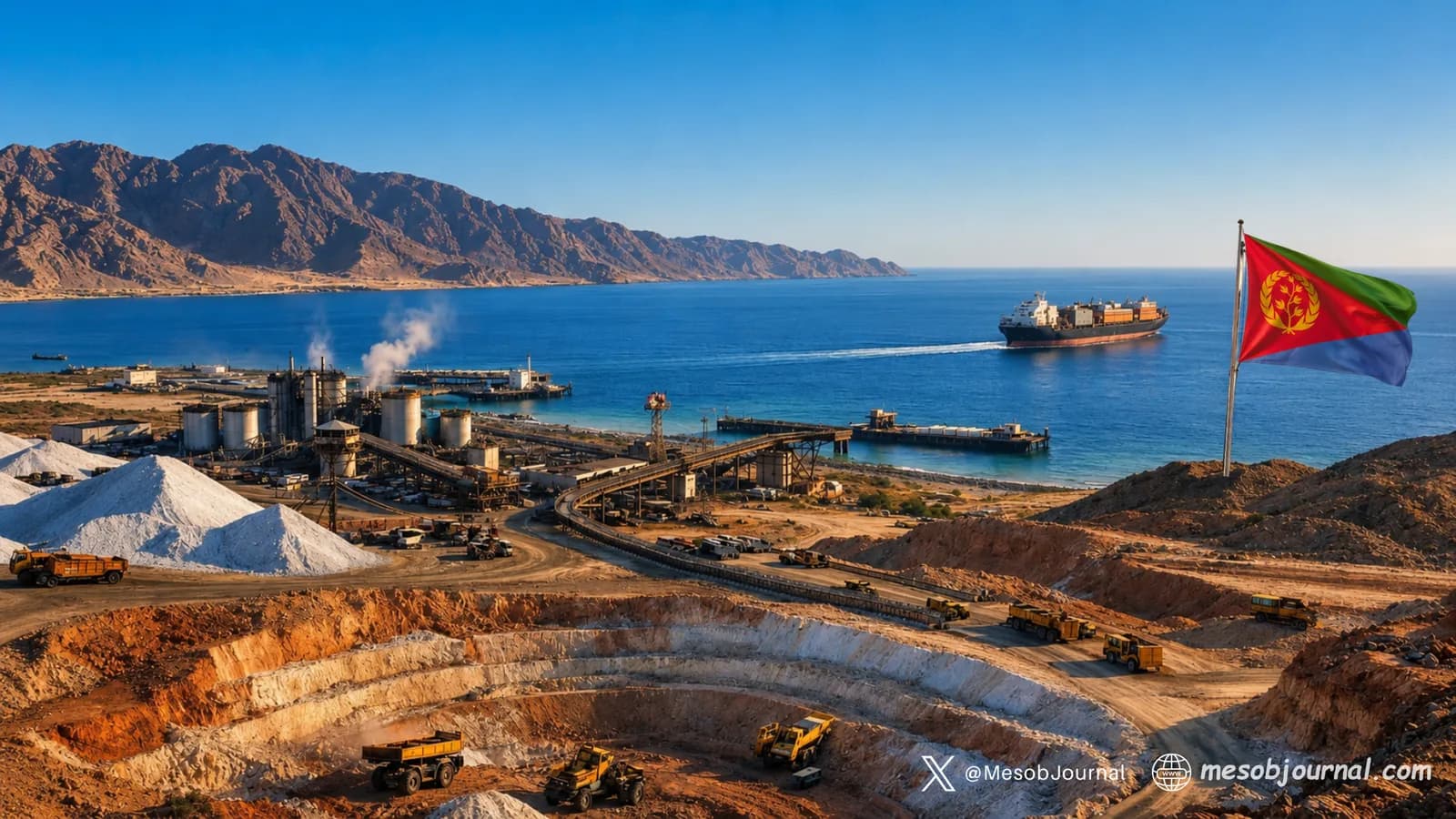
The prospect of Eritrea in the near future is increasingly shaped by the convergence of global food-security pressures, shifting geopolitical supply chains, and the emergence of the Colluli Potash Project as one of the world’s most strategically positioned fertiliser assets.
At the same time, the European Union has launched its Fertiliser Action Plan, a comprehensive effort to reduce import dependence, strengthen supply resilience, and insulate European agriculture from the volatility that has defined global fertiliser markets over the past decade.
The intersection of these two developments — Europe’s search for secure, diversified, chloride-free potash supplies and Eritrea’s emergence as a major producer of premium Sulfate of Potash (SOP) — creates a realistic and mutually beneficial opportunity that could reshape both Eritrea’s economic trajectory and Europe’s agricultural resilience.
To understand why this moment is so consequential, it is necessary to examine the broader context in which these developments are unfolding, the structural vulnerabilities that Europe is trying to address, the transformative potential of Colluli for Eritrea, and the strategic logic that underpins a potential partnership between the two.
Global food systems are under unprecedented strain. Fertiliser prices have spiked repeatedly due to energy shocks, geopolitical tensions, and supply disruptions.
The Russia-Ukraine war exposed Europe’s heavy dependence on Russian and Belarusian potash, while Middle Eastern instability continues to threaten shipping routes through the Strait of Hormuz. Climate change has intensified the need for high-quality fertilisers that support resilient crop yields.
At the same time, global population growth and rising food demand have increased pressure on agricultural systems worldwide. In this environment, fertiliser security has become synonymous with food security, and food security has become a form of strategic security.
Governments are no longer treating fertilisers as simple agricultural inputs; they are treating them as critical infrastructure.
This is the backdrop against which the European Commission launched its Fertiliser Action Plan. The plan is designed to reduce Europe’s vulnerability to external shocks by diversifying supply sources, increasing domestic and circular production, and strengthening the resilience of supply chains.
Europe’s agricultural sector, particularly its high-value fruit, vegetable, and vineyard industries, relies heavily on chloride-free SOP, which is essential for crops that are sensitive to chloride. Yet Europe produces almost none of its own SOP and depends on imports from a small number of suppliers.
The Fertiliser Action Plan explicitly calls for new partnerships with reliable, geopolitically stable suppliers who can provide long-term, sustainable access to critical fertiliser inputs. This is where Eritrea’s Colluli project becomes strategically relevant.
Located in the Danakil Depression, one of the lowest and hottest places on Earth, the Colluli Potash Project is a 50/50 joint venture between the Eritrean National Mining Corporation (ENAMCO) and China’s Sichuan Road and Bridge Group.
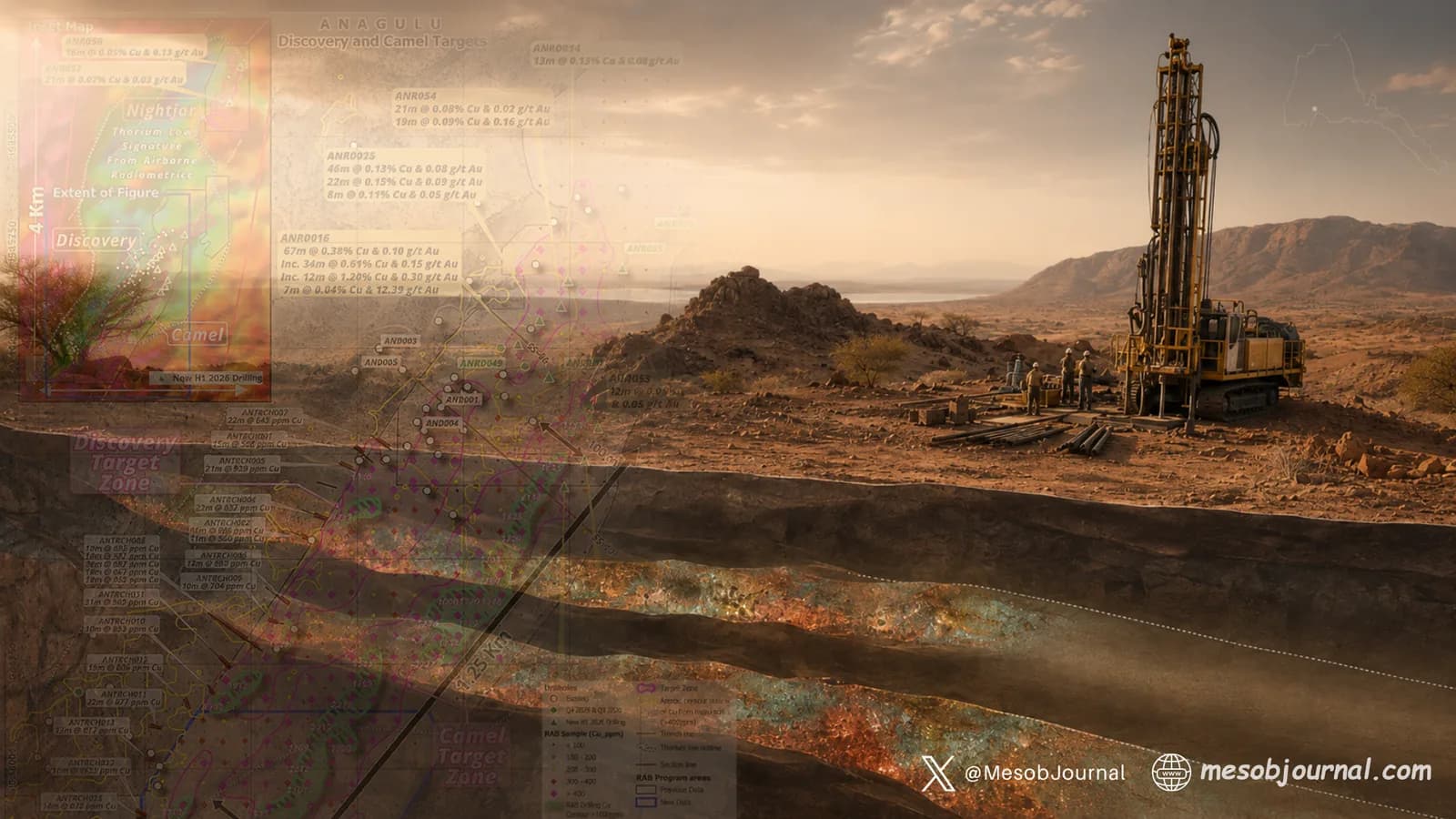
What makes Colluli exceptional is not just its size — over one billion tonnes of high-grade potassium-bearing salts — but its unique geological characteristics. Unlike most potash deposits, which require deep underground mining, Colluli’s mineralisation begins at just 16 metres below the surface.
This allows for shallow open pit mining, which is safer, cheaper, and more environmentally manageable than traditional underground operations. The deposit is also capable of producing premium SOP without the need for complex chemical conversion processes, giving it a significant cost advantage over competitors.
With a projected mine life of around 200 years, Colluli is not just a large deposit; it is a generational asset.
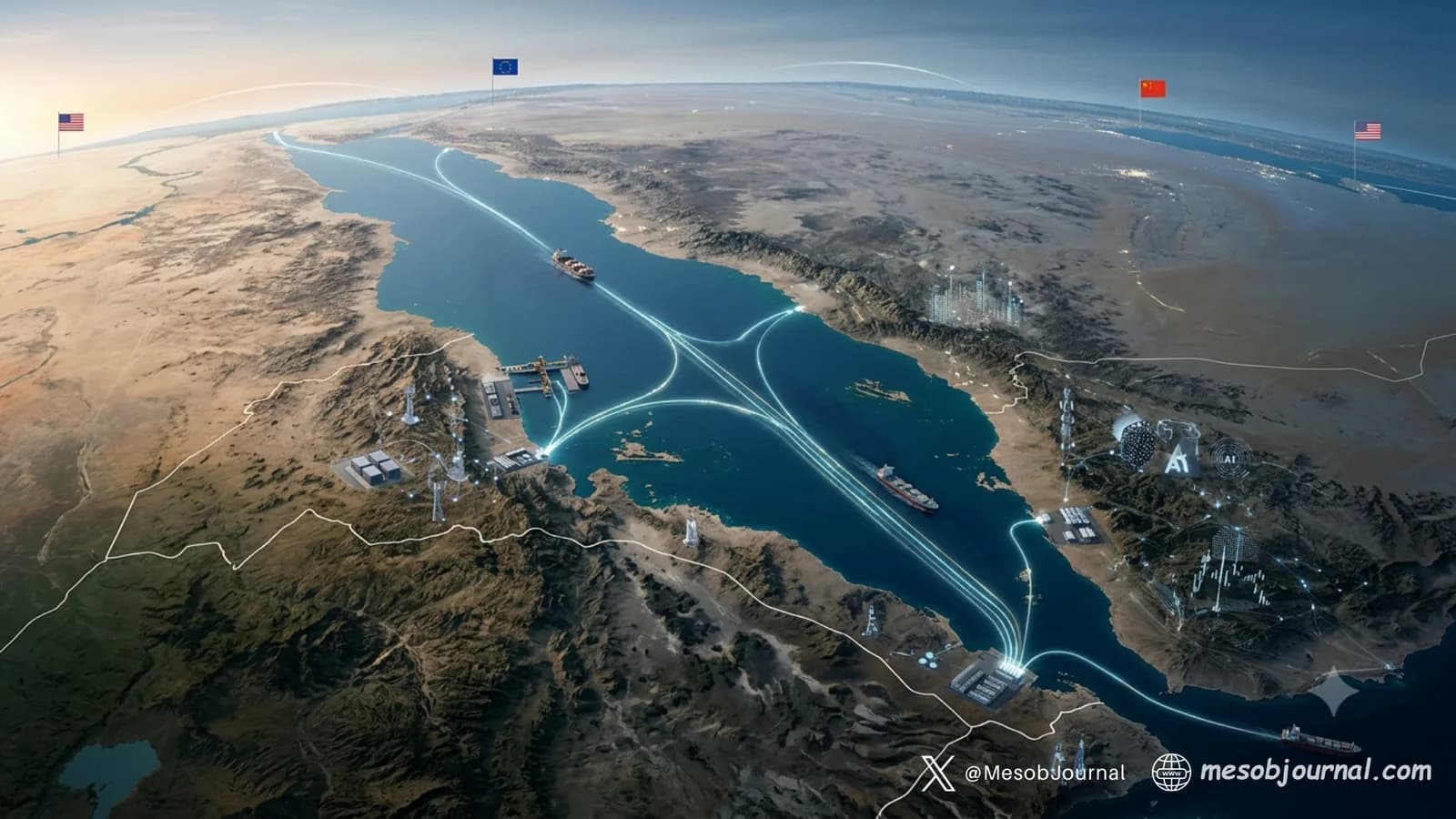
The strategic value of Colluli is further enhanced by its location. Situated just 75 kilometres from the Red Sea coast, the project has direct access to one of the world’s most important maritime corridors.
From the Red Sea, shipping routes to Europe are short and efficient, bypassing the geopolitical chokepoints that threaten other supply chains. This gives Colluli a logistical advantage that few other potash producers can match.
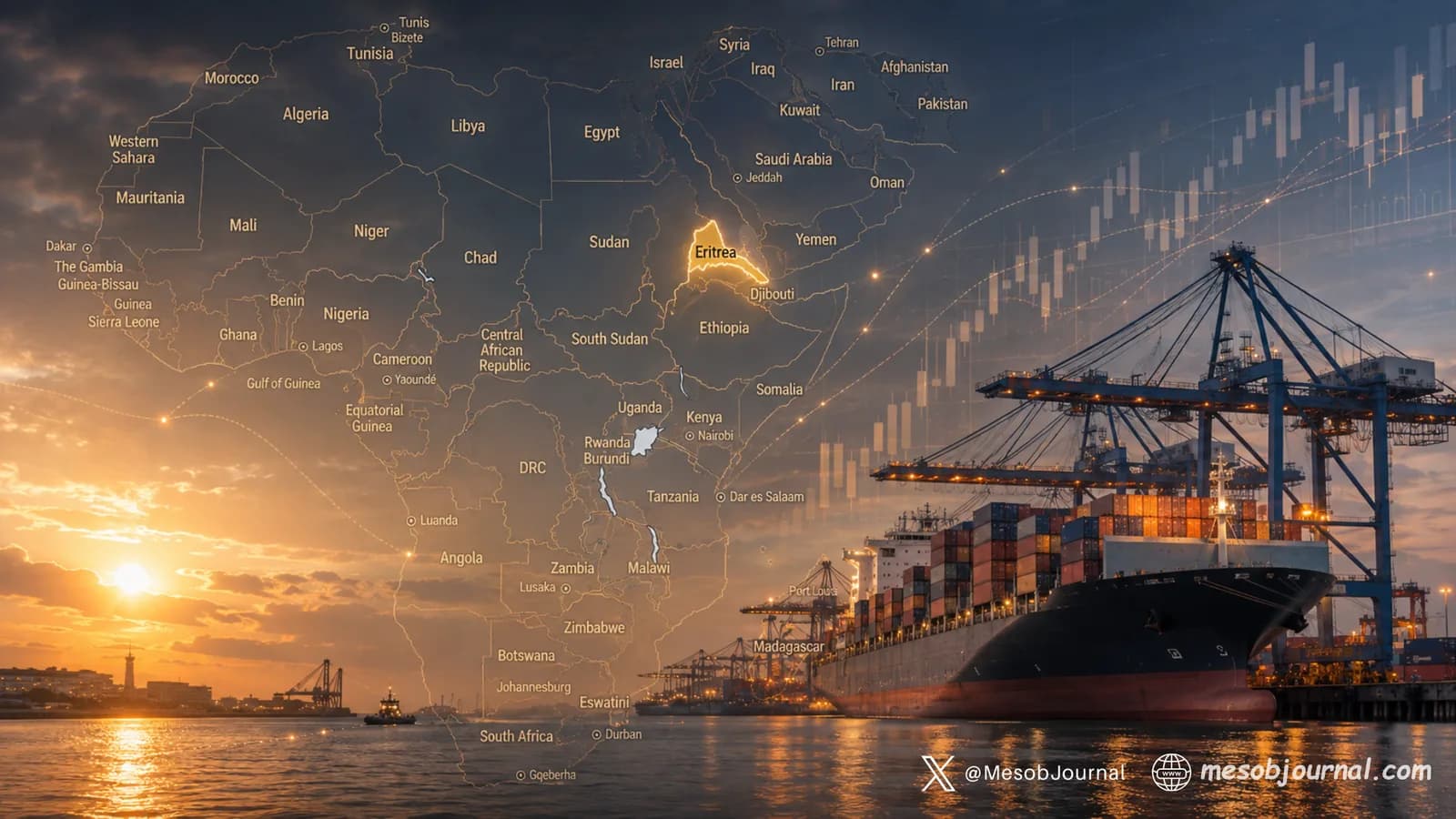
For Europe, which is seeking to reduce its exposure to long, vulnerable supply routes, this proximity is a major asset. For Eritrea, it positions the country as a natural supplier to markets across Europe, Africa, the Middle East, and Asia.
The economic implications for Eritrea are profound. Colluli has the potential to contribute up to 10 percent of the country’s GDP once fully operational.
It will generate thousands of jobs, both directly and indirectly, and stimulate the development of supporting infrastructure, including roads, power systems, and port facilities.
The project will also provide Eritrea with a stable source of foreign exchange, which is essential for macroeconomic stability and long-term development planning.
Beyond the mining sector, the availability of domestically produced potash could support Eritrea’s own agricultural transformation, improving soil fertility and crop yields in a country where food security has long been a challenge.
In this sense, Colluli is not just a mining project; it is a catalyst for national development.
Europe’s interest in Colluli is driven by both necessity and opportunity. The Fertiliser Action Plan acknowledges that Europe must diversify away from its traditional suppliers.
Russia and Belarus, which together account for a significant share of global potash exports, are no longer reliable partners due to geopolitical tensions and sanctions.
Canada, while stable, is geographically distant and subject to logistical bottlenecks. The Middle East, another major source of fertiliser inputs, is vulnerable to conflict and shipping disruptions.
Europe needs new, stable, long-term partners who can provide high-quality fertilisers at competitive prices. Colluli fits this requirement almost perfectly.
Its SOP is chloride-free, making it ideal for Europe’s high-value crops. Its production costs are among the lowest in the world. Its shipping routes are short and secure.
And its reserves are large enough to support multi-decade supply agreements.
For Eritrea, cooperation with Europe offers several advantages.
First, long-term offtake agreements with European companies or member states would provide revenue certainty, which is crucial for financing mine expansion and associated infrastructure.
Second, European development banks and private investors could play a role in funding sustainable, low-carbon processing technologies, desalination systems, and logistics corridors.
Third, Europe’s expertise in environmental standards, precision agriculture, and circular-economy practices could support Eritrea’s efforts to develop a modern, sustainable mining and agricultural sector.
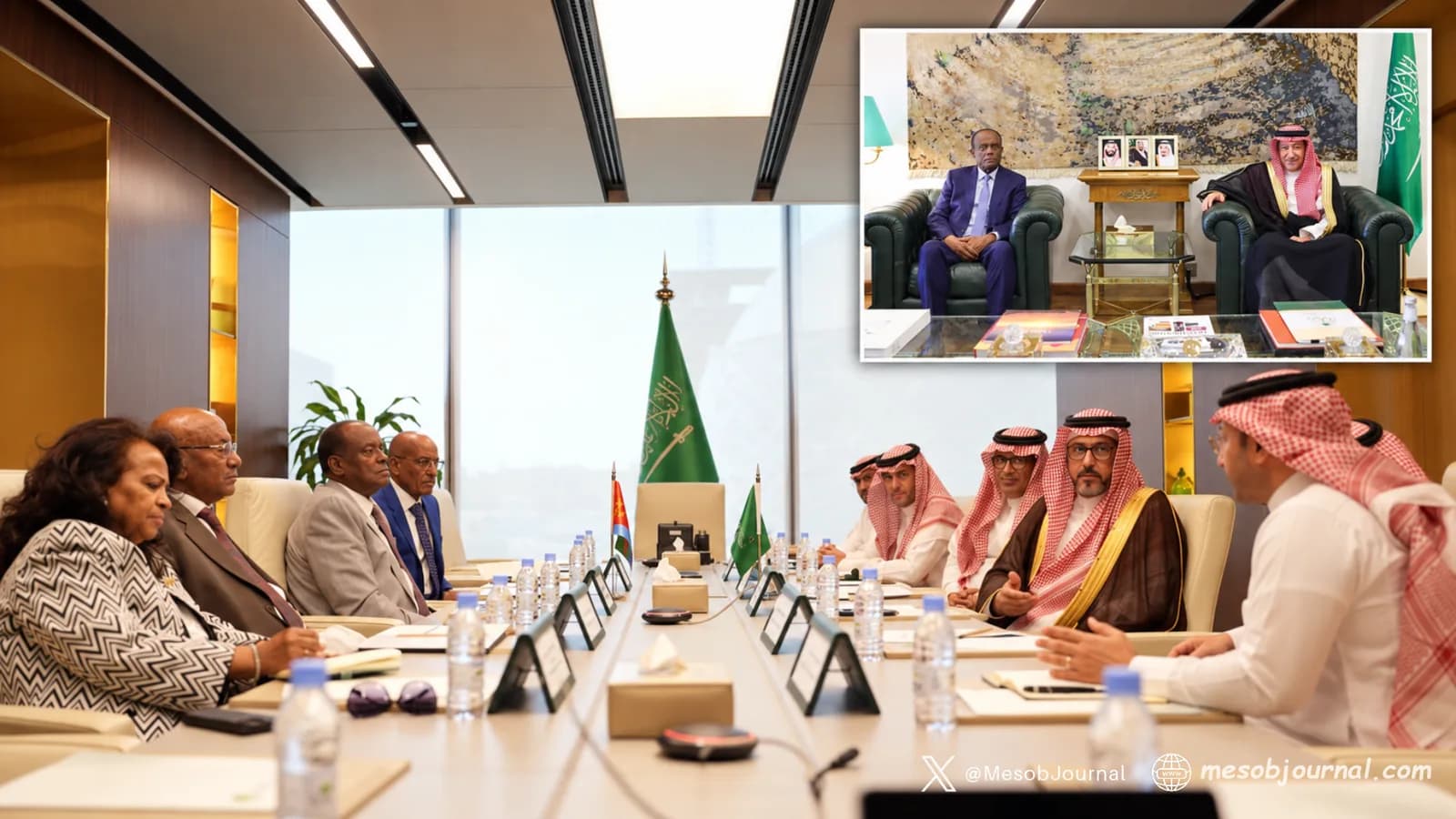
Fourth, engagement with Europe could help Eritrea diversify its economic partnerships, reducing over-reliance on any single foreign partner and strengthening its geopolitical position.
The global context reinforces the logic of such cooperation. Fertiliser markets are expected to remain volatile for the foreseeable future due to energy transitions, geopolitical tensions, and climate-related disruptions.
As countries invest in renewable energy and reduce fossil-fuel dependence, the cost structure of nitrogen fertilisers which rely heavily on natural gas will continue to fluctuate.
Potash, by contrast, is less energy-intensive and more stable, making it a critical component of long-term food-security strategies.
At the same time, rising global demand for fruits, vegetables, and specialty crops will increase the need for high-quality SOP. Colluli’s ability to supply this market at scale, reliably and sustainably, makes it a globally significant asset.
The potential partnership between Europe and Eritrea is not without challenges. Eritrea’s political environment has long been a subject of debate, and relations with the EU have historically been cautious.
Infrastructure gaps, including limited port capacity and power generation, will require significant investment. Regional tensions in the Horn of Africa create additional risks.
However, the urgency of global food security needs is creating new space for pragmatic, interest-driven engagement. Europe has already demonstrated a willingness to pursue strategic partnerships in Africa to secure critical minerals, renewable energy inputs, and agricultural commodities.
Fertilisers are now joining that list.
A realistic cooperation model would likely begin with long-term offtake agreements, providing Colluli with the revenue visibility needed to scale production.
This could be followed by targeted financing from European development institutions to support infrastructure and sustainability initiatives.
Joint research programs could explore optimal SOP application for European and African crops, soil-health improvements, and climate-resilient farming practices.
Over time, the partnership could expand into broader economic cooperation, including renewable energy, water management, and agricultural development.
For Eritrea, the near future is defined by the opportunity to leverage Colluli as a foundation for economic transformation.
The project’s scale, longevity, and strategic location give Eritrea a unique advantage in global fertiliser markets. If managed effectively, Colluli could become the anchor of a diversified, export-driven economy that supports long-term development goals.
For Europe, the partnership offers a pathway to greater fertiliser security, reduced geopolitical vulnerability, and enhanced agricultural resilience.
For the global community, it represents a step toward stabilising food-security systems in an increasingly unpredictable world.
The convergence of Europe’s strategic needs and Eritrea’s emerging capabilities is not accidental; it is the result of structural shifts in global supply chains and the growing recognition that food security is inseparable from geopolitical stability.
In this context, the Colluli project is more than a mining venture. It is a strategic asset that can contribute to global food stability, support sustainable agricultural practices, and foster mutually beneficial international cooperation.
The Fertiliser Action Plan signals Europe’s readiness to rethink its supply chains. Eritrea’s Colluli project offers a credible, competitive, and strategically aligned solution.
The opportunity is real, the incentives are aligned, and the potential benefits are substantial. In a world defined by volatility, this is what a future-oriented, pragmatic, and mutually beneficial partnership looks like.