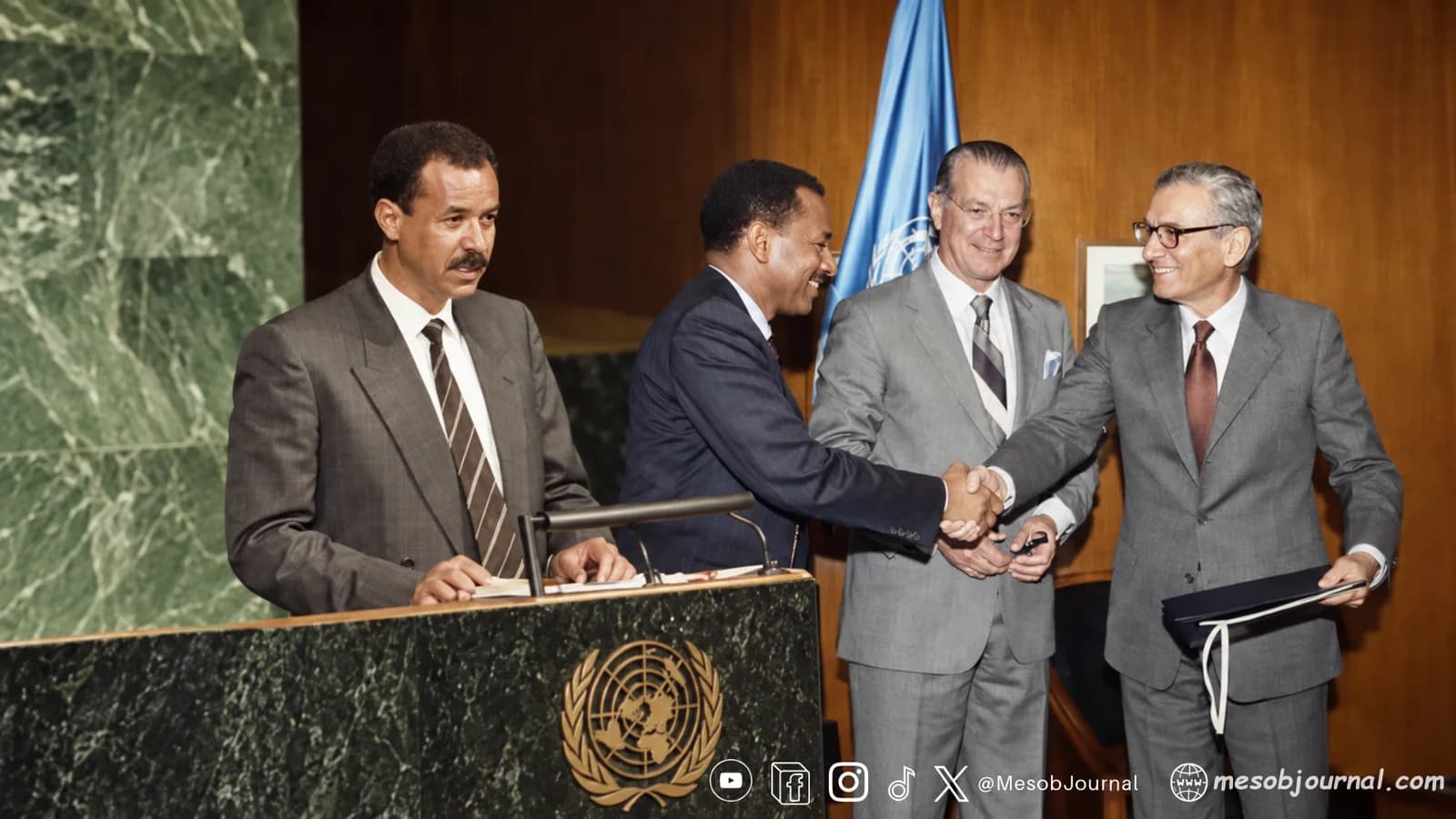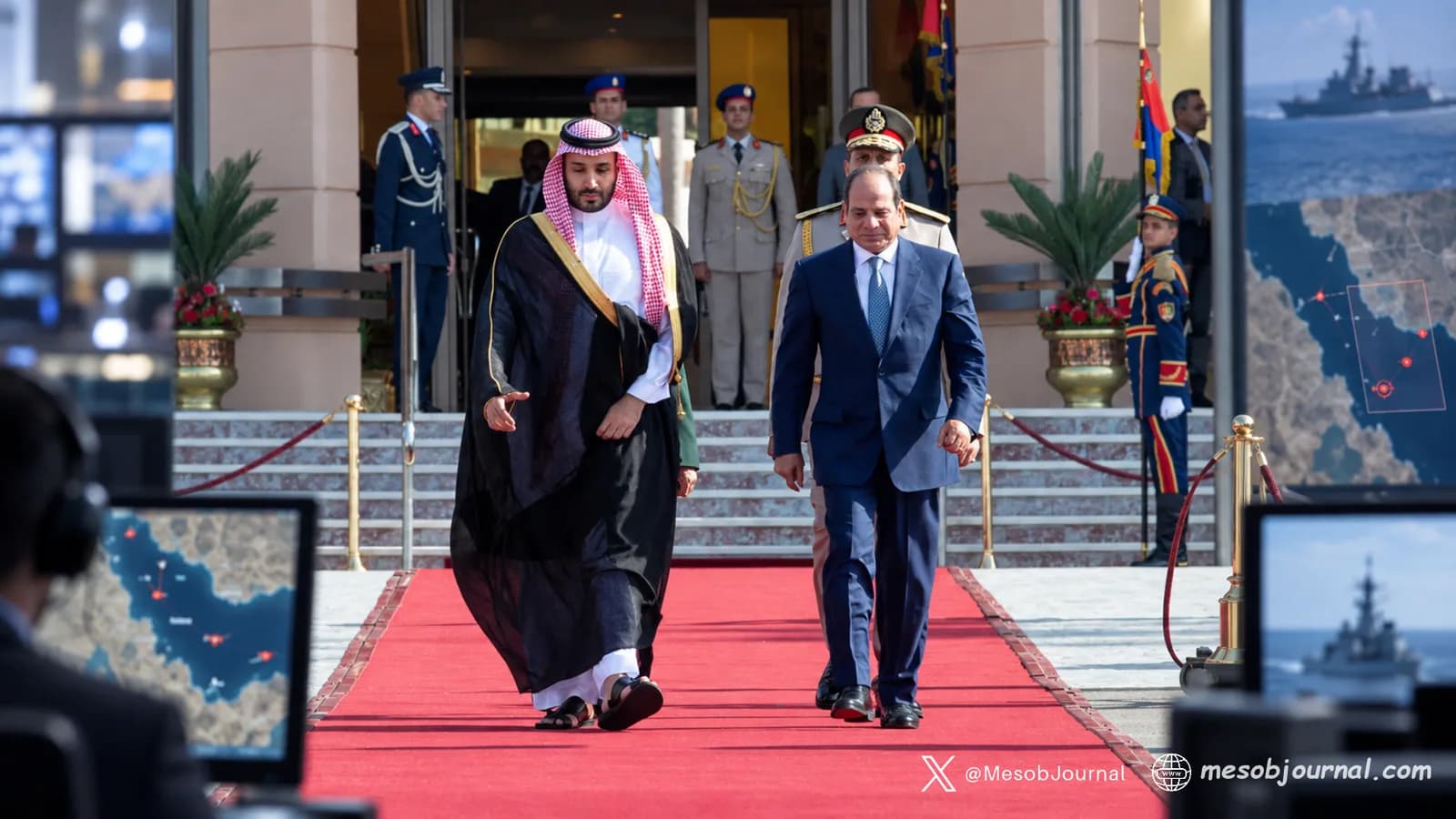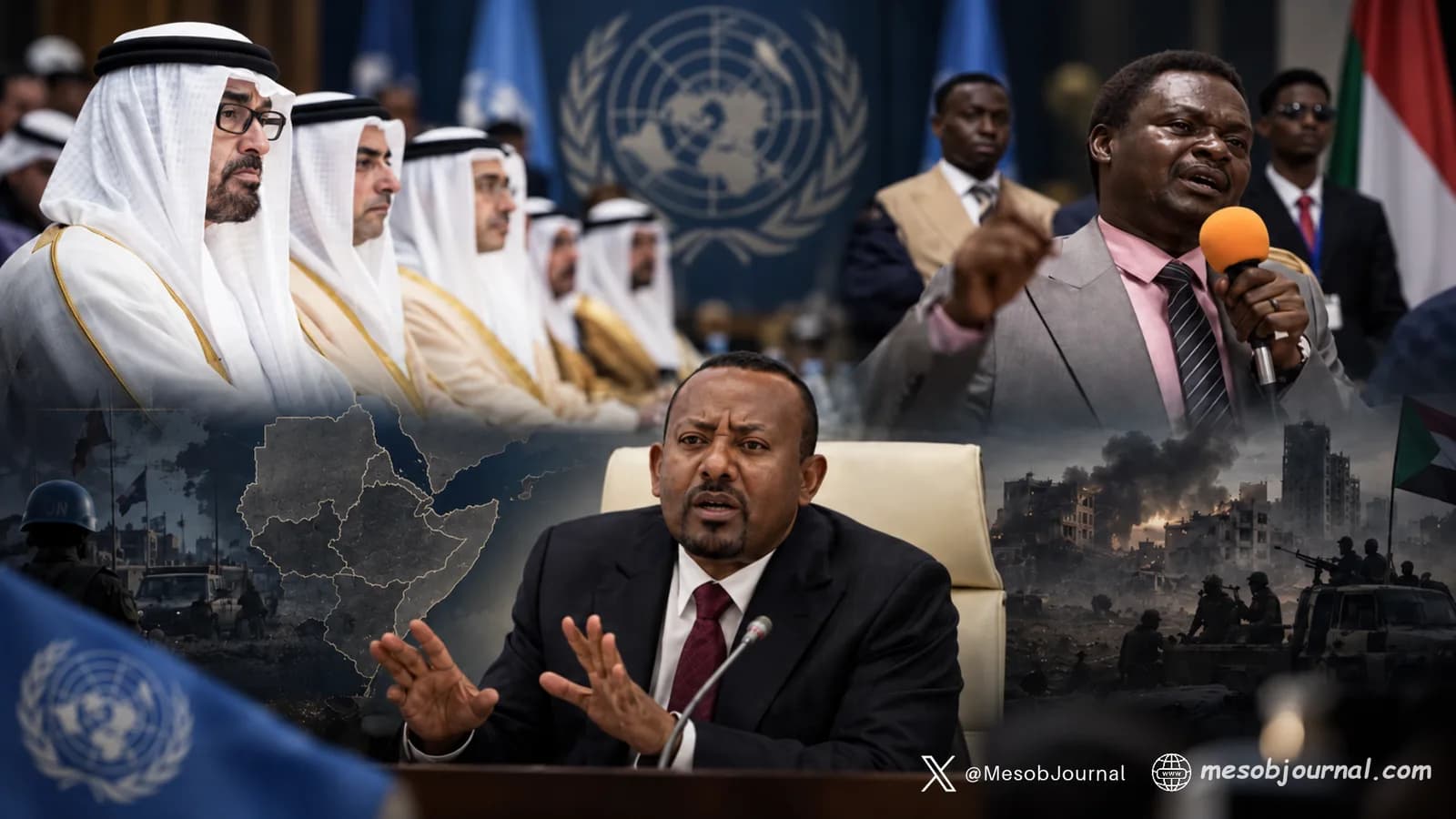

Eritrea and Qatar appear to be giving fresh attention to a relationship that once carried real political weight in the Horn of Africa, after years in which public diplomacy between Asmara and Doha became noticeably limited.
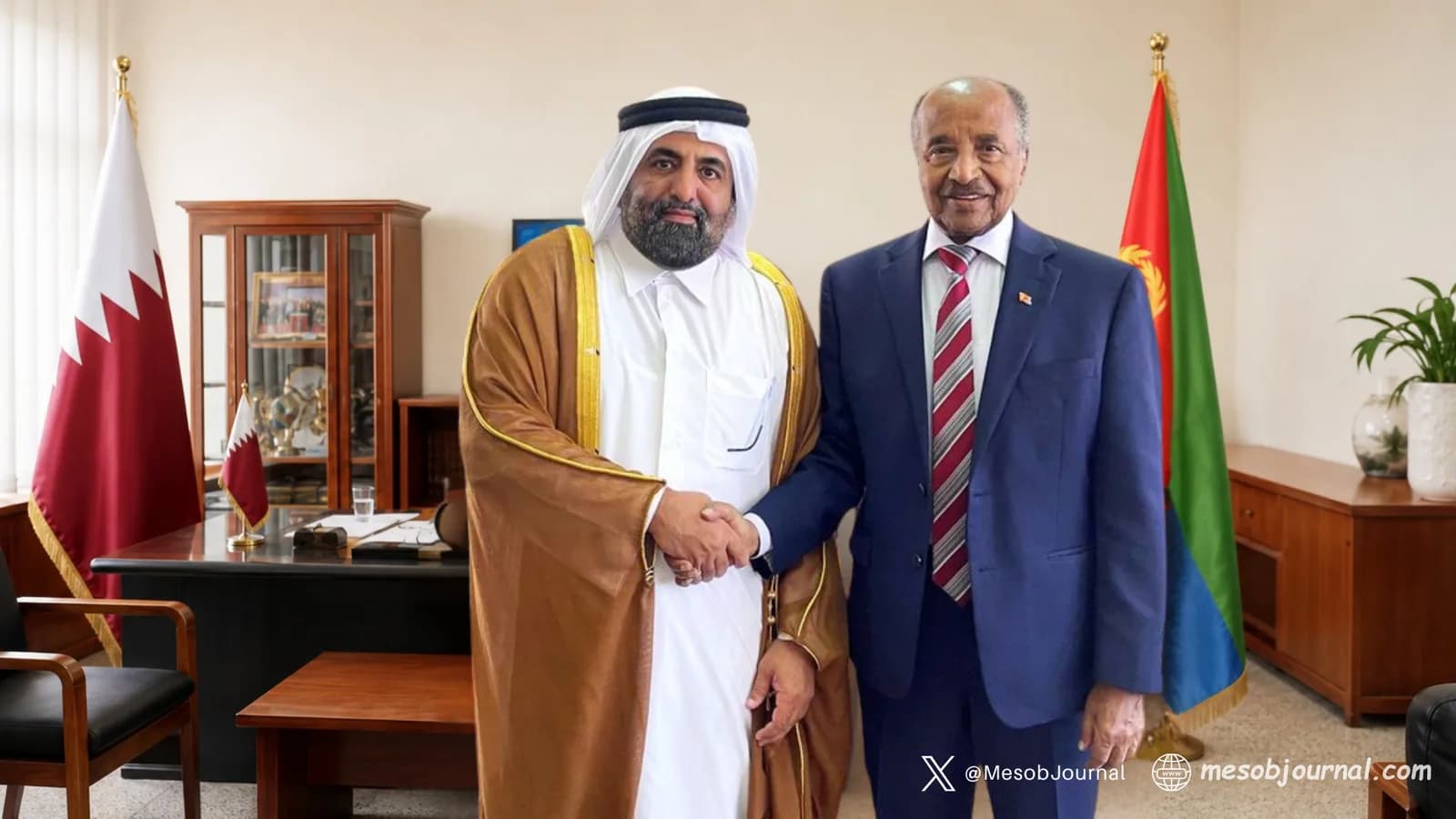
Eritrean Foreign Minister Osman Saleh Mohammed met in Asmara on May 21 with Ghanem bin Mohammed Al-Maadeed, Qatar’s chargé d’affaires ad interim in Eritrea, according to Qatar’s Ministry of Foreign Affairs. The meeting reviewed cooperation between the two countries.
The statement was brief. But in Eritrean and Gulf diplomacy, brief does not always mean insignificant.
For more than a decade, Qatar maintained an embassy in Asmara and played a visible role in regional files involving Eritrea. In the early 2010s, relations were described in unusually warm terms. President Isaias Afwerki made several visits to Doha, and Eritrean official reporting at the time spoke of cooperation in mining, agriculture, fisheries, tourism and infrastructure. In 2010, President Isaias described Eritrean-Qatari relations as strategic and based on mutual interest. A year later, Eritrean reports again referred to joint projects in agriculture, animal resources, mining, tourism and infrastructure.
Qatar also became involved in one of the region’s most sensitive disputes: the Djibouti-Eritrea border issue. Doha mediated between the two countries after the 2008 border conflict and later deployed troops to monitor the area.
That role ended abruptly in June 2017, at the height of the Gulf diplomatic crisis. Qatar announced that it had withdrawn its troops from the border area. The move came after Eritrea and Djibouti sided with Saudi Arabia and its allies in the rift with Doha. Eritrean official commentary at the time challenged attempts to separate the withdrawal from the Gulf crisis and said Qatar had not given Eritrea full information on the reasons behind the move.
That episode did not necessarily end relations, but it changed their tone. The high-level visits, strategic language and broad cooperation agenda of the early 2010s largely faded from public view.
Recent signals suggest a cautious correction.
Qatar’s Foreign Ministry recorded a meeting between Osman Saleh and Qatar’s acting chargé d’affaires in Asmara in August 2025. Qatar’s embassy also held National Day events in Asmara attended by senior Eritrean officials. The latest May 2026 meeting adds another marker to that pattern.
There is no evidence yet of a major agreement or a full return to the earlier phase of Eritrea-Qatar relations. The language remains careful. Cooperation is being “reviewed,” not relaunched. Still, the timing matters.
The Horn of Africa and Red Sea corridor are again under heavy pressure. Sudan’s war has drawn in regional calculations. Somalia’s sovereignty has been tested by external port and maritime arrangements. Ethiopia’s renewed language around sea access has unsettled the region. Gulf states, meanwhile, continue to weigh influence, security, ports and mediation across both sides of the Red Sea.
For Eritrea, re-engagement with Qatar fits a broader diplomatic pattern: maintaining channels with all relevant regional actors while avoiding dependency on any bloc. For Qatar, Asmara remains a serious capital on the Red Sea, with a long coastline, a strategic location and a foreign policy tradition that does not move easily under pressure.
The May meeting should not be overstated. It is not yet a strategic reset. But it is a signal that Eritrea and Qatar are keeping the door open — and perhaps reopening a file that was never fully closed.