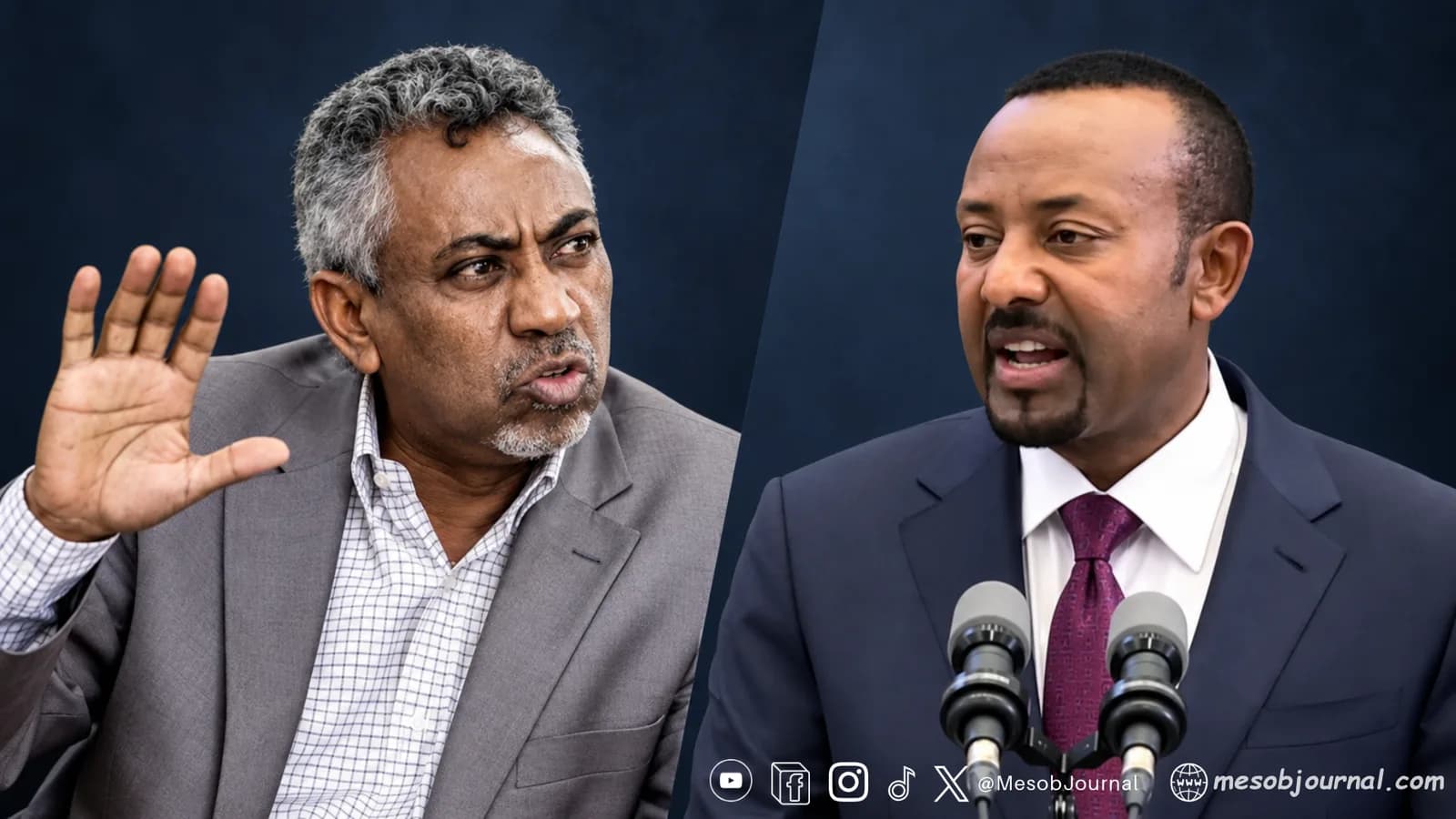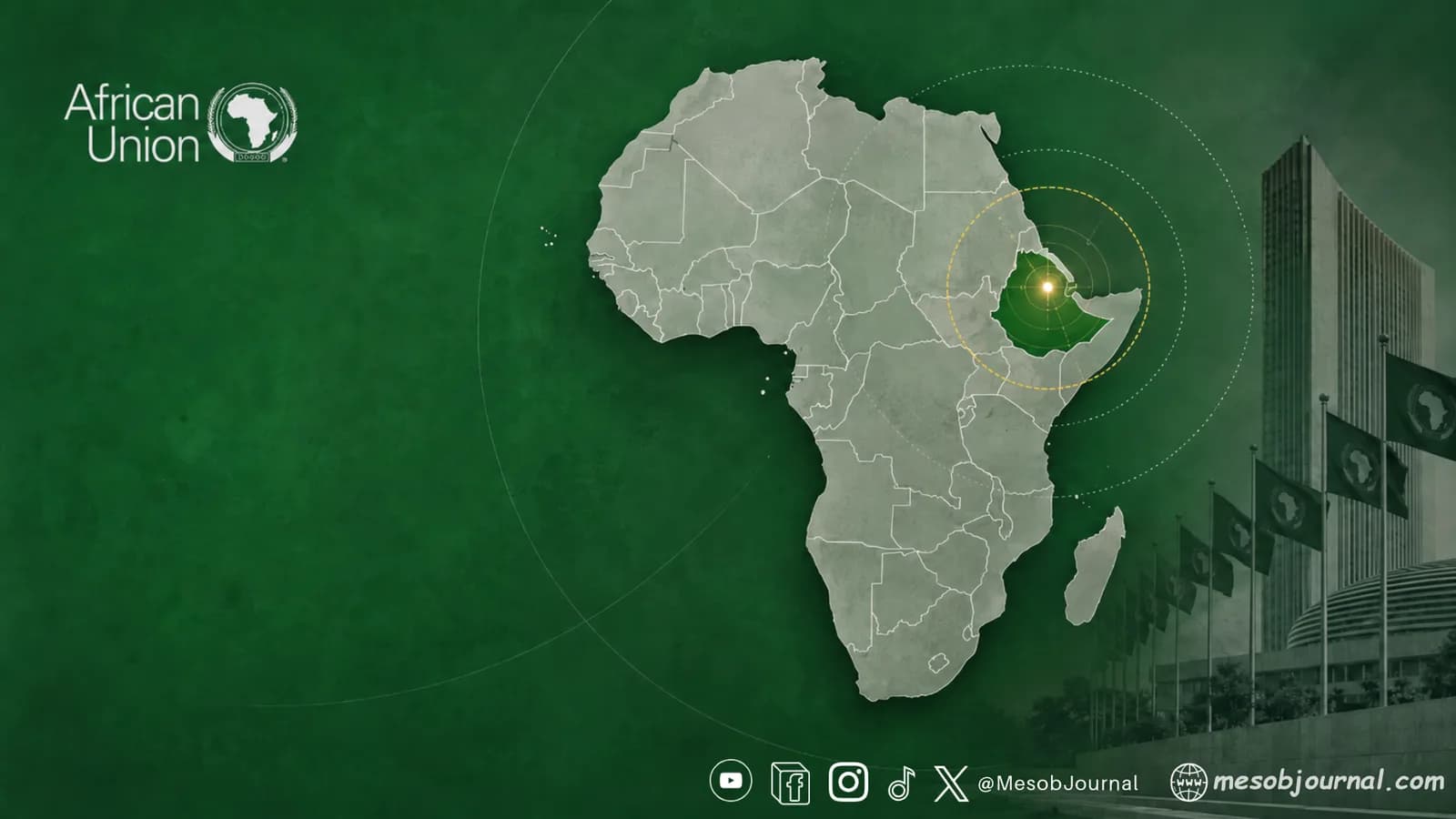

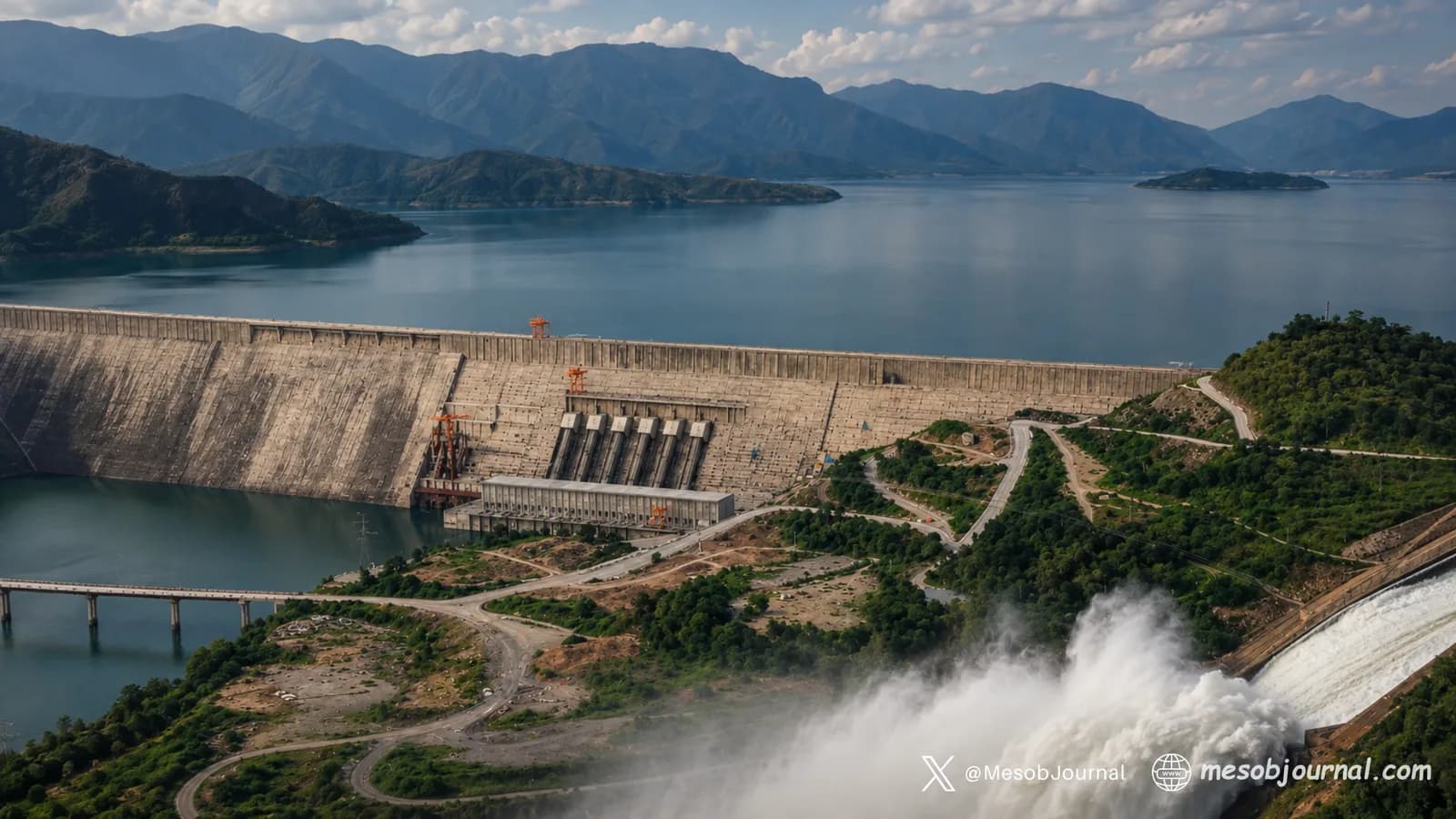
The dispute between Egypt and Ethiopia over the Nile has evolved from a disagreement over the Grand Ethiopian Renaissance Dam into a broader geopolitical confrontation over water security, national sovereignty and regional power.
The issue has become increasingly dangerous because both countries regard their positions as fundamental national interests. Ethiopia sees the Blue Nile as a resource it has the sovereign right to develop for electricity, economic growth and national transformation. Egypt sees the Nile as an indispensable lifeline whose uninterrupted flow is essential to the survival and stability of its population.
Between these competing realities lies one of Africa’s most consequential strategic disputes.
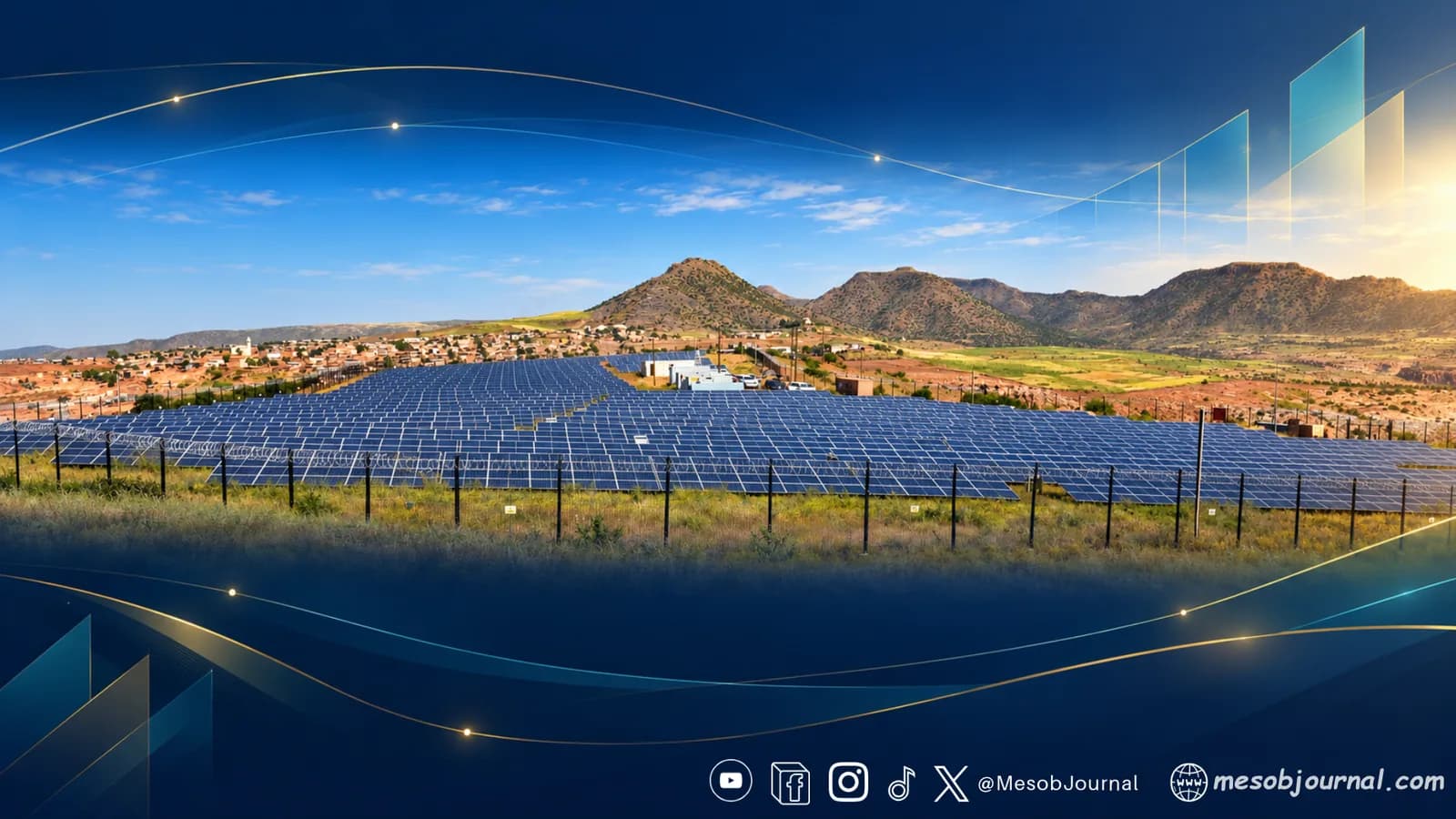
The Grand Ethiopian Renaissance Dam, constructed on the Blue Nile, represents Ethiopia’s ambition to transform its enormous hydropower potential into economic and political power. The dam is intended primarily to generate electricity and expand Ethiopia’s development capacity.
For Addis Ababa, the GERD is more than infrastructure; it is a symbol of national sovereignty and self-reliance. Ethiopia has consistently argued that an upstream country should not be permanently prevented from developing its natural resources simply because downstream states depend upon the same river.
Egypt views the situation through the lens of geography and vulnerability. The country receives almost all of its freshwater from the Nile and is already suffering from severe water scarcity.
Egyptian officials say annual national water requirements exceed 90 billion cubic meters, while Egypt’s established share under the 1959 Nile Waters Agreement with Sudan is 55.5 billion cubic meters. Per-capita availability has fallen below 500 cubic meters annually, placing Egypt among the world's most water-stressed countries.
For Cairo, therefore, the question is not whether Ethiopia should develop, but whether that development can occur without creating unacceptable risks to Egypt’s access to water.
This is why Egypt has demanded a legally binding agreement governing the GERD’s filling and operation, particularly during prolonged droughts. Cairo wants predictable rules concerning water releases, operational coordination, information sharing and emergency circumstances.
Ethiopia has rejected the framework sought by Egypt, arguing that its development rights and sovereignty cannot be subjected to restrictions that could limit future use of its resources.
After approximately 13 years of negotiations, the two sides have failed to reach a comprehensive settlement. Egypt argues that diplomacy has reached a deadlock after repeated attempts to secure binding guarantees.
Ethiopia, meanwhile, has continued operating the GERD while maintaining that it has the right to pursue its development objectives. The failure to reach agreement has transformed the dam from an infrastructure project into a long-term strategic fault line.
The situation has become more serious with renewed Ethiopian plans for additional hydropower projects on the Blue Nile, including Karadobi, Mandaya and Beko Abo. Their combined planned generating capacity has been reported at roughly 5,700 megawatts.
Although these projects remain subject to development decisions and their final implementation could change, their revival has intensified Egyptian concerns that the GERD could eventually become part of a much larger system of upstream water and energy infrastructure.
For Ethiopia, such projects could provide electricity to millions, strengthen industrialization and generate new economic opportunities. Expanded hydropower could also increase Ethiopia’s influence as an energy producer and exporter across the region.
For Egypt, however, additional dams raise the possibility of greater upstream regulation of the Blue Nile and therefore greater uncertainty over downstream water flows. Cairo has consequently drawn a clear red line against what it describes as unilateral measures that could threaten its water interests.
Egypt’s response has moved beyond conventional diplomatic protest. In August 2026, Foreign Minister Badr Abdelatty stated that if harm occurs that could interrupt the flow of Nile water, Egypt has the right to defend itself in accordance with international law.
He also emphasized that Egypt’s military is responsible for protecting the country, its borders and its interests.
The significance of these statements lies in their strategic message: Cairo is signaling that water security has become a national security issue and that continued unilateral actions could eventually trigger a broader response.
That language is best understood as deterrence rather than proof of an imminent military operation. Egypt is attempting to communicate the potential consequences of crossing what it considers a vital red line.
At the same time, any claim of self-defense under international law does not automatically authorize military force. The legality of any use of force would depend on the circumstances and the applicable rules of international law.
This distinction is crucial because an escalation between two major African states could rapidly destabilize the wider region.
Cairo has also pursued international diplomatic pressure, including appeals to the United Nations Security Council. Egypt has argued that unilateral actions concerning the GERD violate international obligations and has continued to demand a binding arrangement governing its operation.
The diplomatic campaign serves a strategic purpose: Egypt wants its position understood not simply as resistance to Ethiopian development but as an effort to establish internationally recognized rules for managing a shared transboundary resource.
The geopolitical stakes extend beyond Egypt and Ethiopia. Sudan occupies a critical position between the two countries and is directly affected by the Nile’s management.
Ethiopia’s growing hydropower capacity could enhance its economic influence throughout the Horn of Africa, while Egypt’s demographic weight, military capabilities and dependence on the Nile make it unlikely to accept a future in which its primary freshwater source is increasingly subject to decisions made upstream without binding coordination.
The dispute therefore reflects a classic security dilemma. Ethiopia fears that accepting extensive restrictions could undermine its sovereignty and development for generations.
Egypt fears that refusing to establish binding safeguards could leave its most important natural resource vulnerable to decisions beyond its control. Each side interprets the other’s actions through the lens of potential future threats, making compromise increasingly difficult.
Yet neither country can achieve lasting security by ignoring the legitimate interests of the other. Ethiopia cannot erase Egypt’s geographical dependence on the Nile, just as Egypt cannot erase Ethiopia’s need for electricity and economic development.
The solution must therefore address the risks rather than deny the realities.
A durable agreement would need to establish enforceable procedures for drought years, transparent exchange of hydrological and operational information, predictable water releases, emergency coordination and mechanisms for resolving disputes before they become security crises.
Future major projects on the Blue Nile would also benefit from consultation and impact assessments that allow downstream concerns to be addressed before construction creates another confrontation.
The alternative is increasingly dangerous. If Ethiopia continues expanding its upstream infrastructure without an agreed framework while Egypt increasingly treats those actions as threats to national survival, deterrence could gradually replace diplomacy.
Once military calculations become central to water management, even an accidental disruption or severe drought could produce consequences neither government intended.
Egypt’s position is therefore not simply that Ethiopia should stop developing. Its central demand is predictability: development upstream must not expose Egypt to unacceptable uncertainty over the resource upon which its population depends.
The Nile has consequently become a test of whether sovereignty and shared resource security can coexist. The GERD has already altered the strategic landscape, and the possibility of additional dams could deepen that transformation.
What happens next will influence not only Egyptian-Ethiopian relations but also the balance of power, energy markets and security calculations across Northeast Africa.
The Ethiopian and Egyptian peoples do not need to become adversaries. Egypt has explicitly distinguished its dispute over Ethiopia’s policies from its relationship with the Ethiopian people, whom Egyptian officials have described as brothers and sisters.
But goodwill between populations cannot substitute for a functioning agreement between governments.
The central challenge is now unmistakable: Egypt demands guarantees that its Nile lifeline will remain secure, an objective that cannot simply be dismissed.
The path away from confrontation is a binding framework that protects Egypt against catastrophic water insecurity. If diplomacy succeeds, the Nile can become a foundation for energy, trade and regional cooperation.
If diplomacy fails, water could become the catalyst for one of Africa’s most serious geopolitical confrontations. Egypt’s warnings indicate that Cairo is prepared to defend what it considers an existential interest. Ethiopia’s continued development strategy indicates that Addis Ababa is unlikely to abandon its ambitions.
The responsibility now rests with both governments to ensure that the Nile remains a shared resource to be managed through enforceable rules, not a strategic weapon in an escalating contest for regional power.