
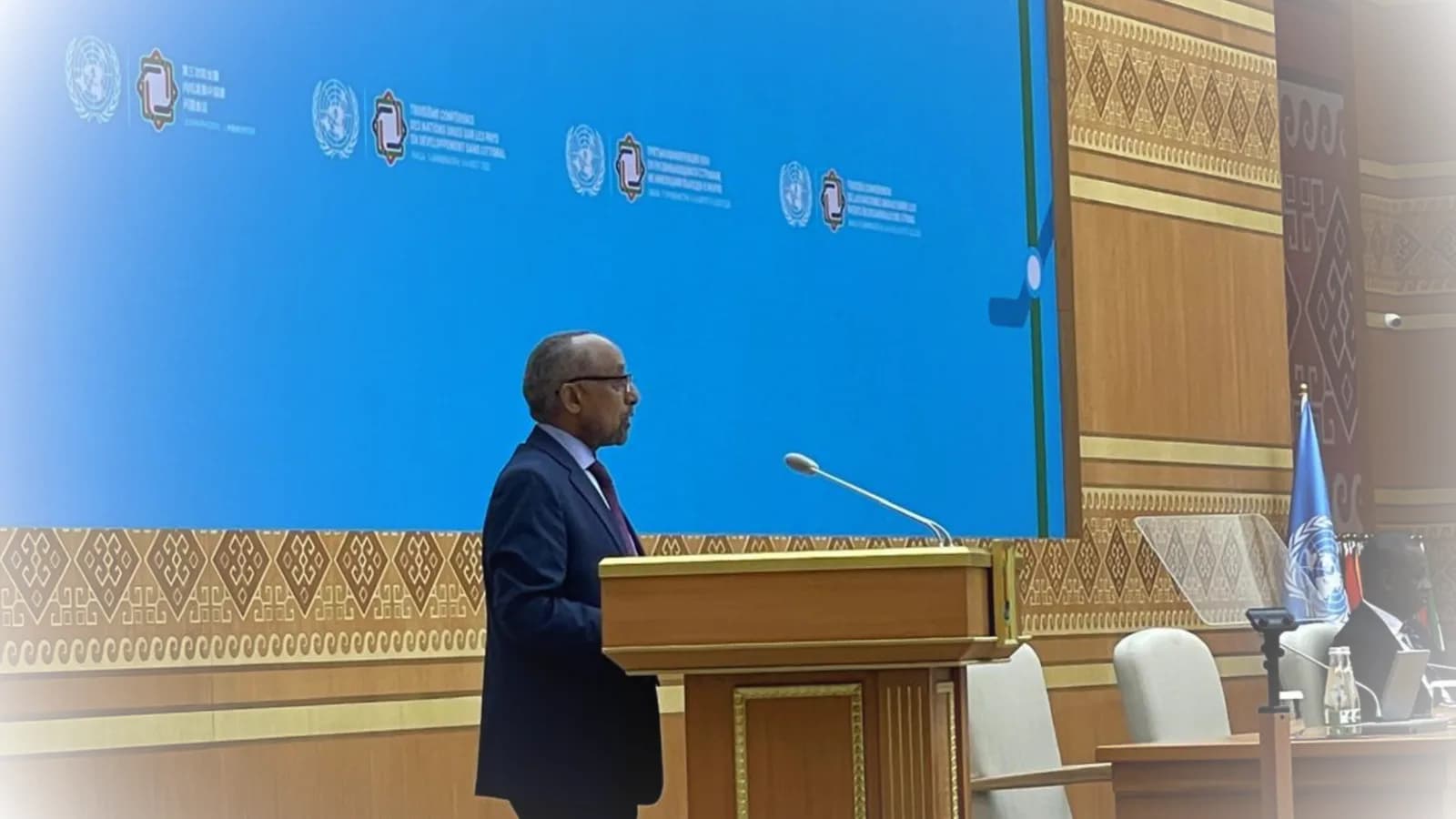
At the Third UN Conference on Landlocked Developing Countries (LLDCs) held in Awaza, Turkmenistan, Eritrea delivered a firm and forward-looking statement reaffirming its commitment to regional cooperation, international law, and the dignity of sovereign nations.
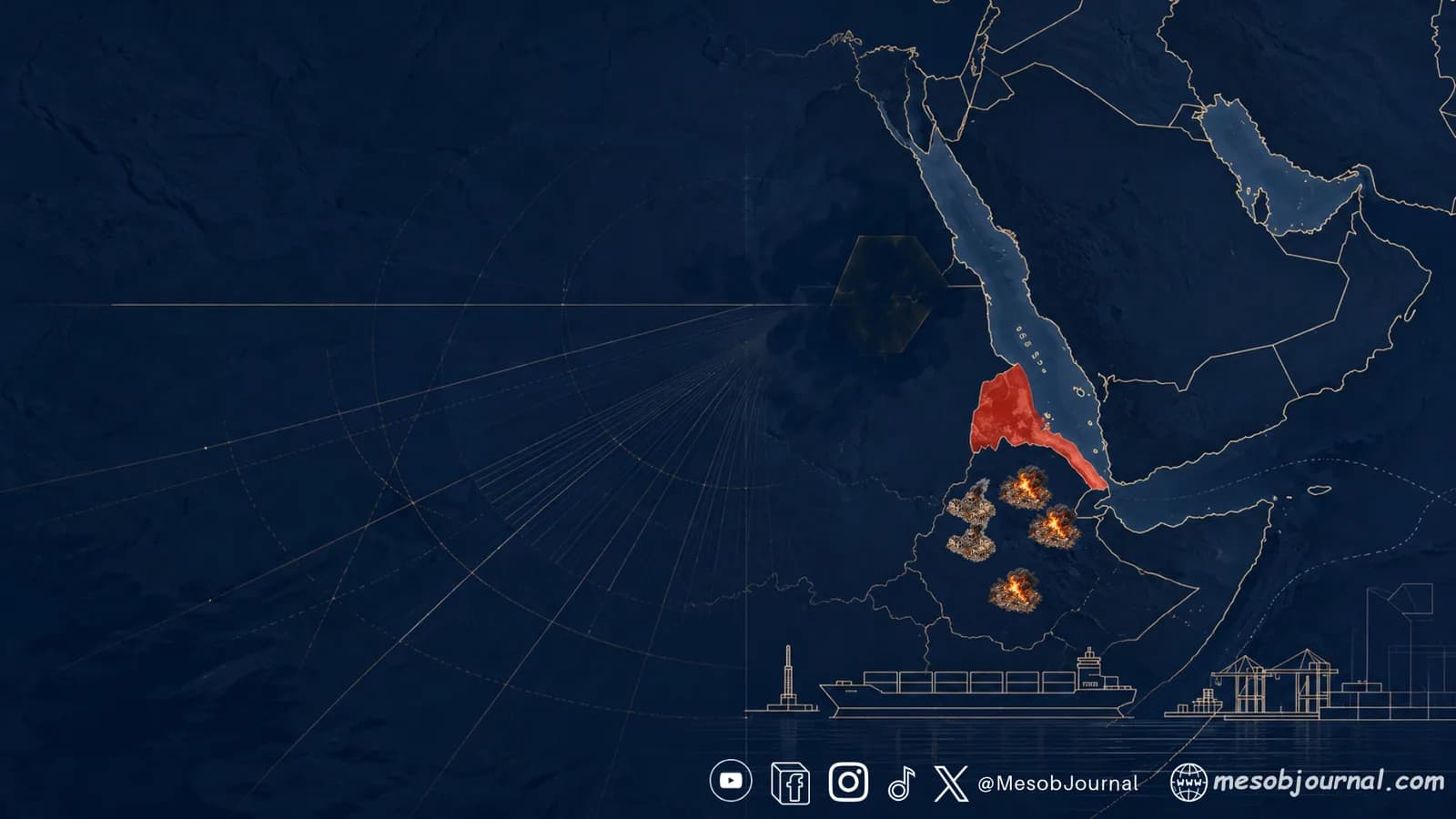
While addressing the real challenges facing landlocked countries, Eritrea also indirectly debunked the resurgent propaganda from Ethiopia regarding so-called “historical rights” to sea access - a narrative that not only distorts history but tramples on the principles of sovereignty and territorial integrity.
A Transit Nation with a Vision
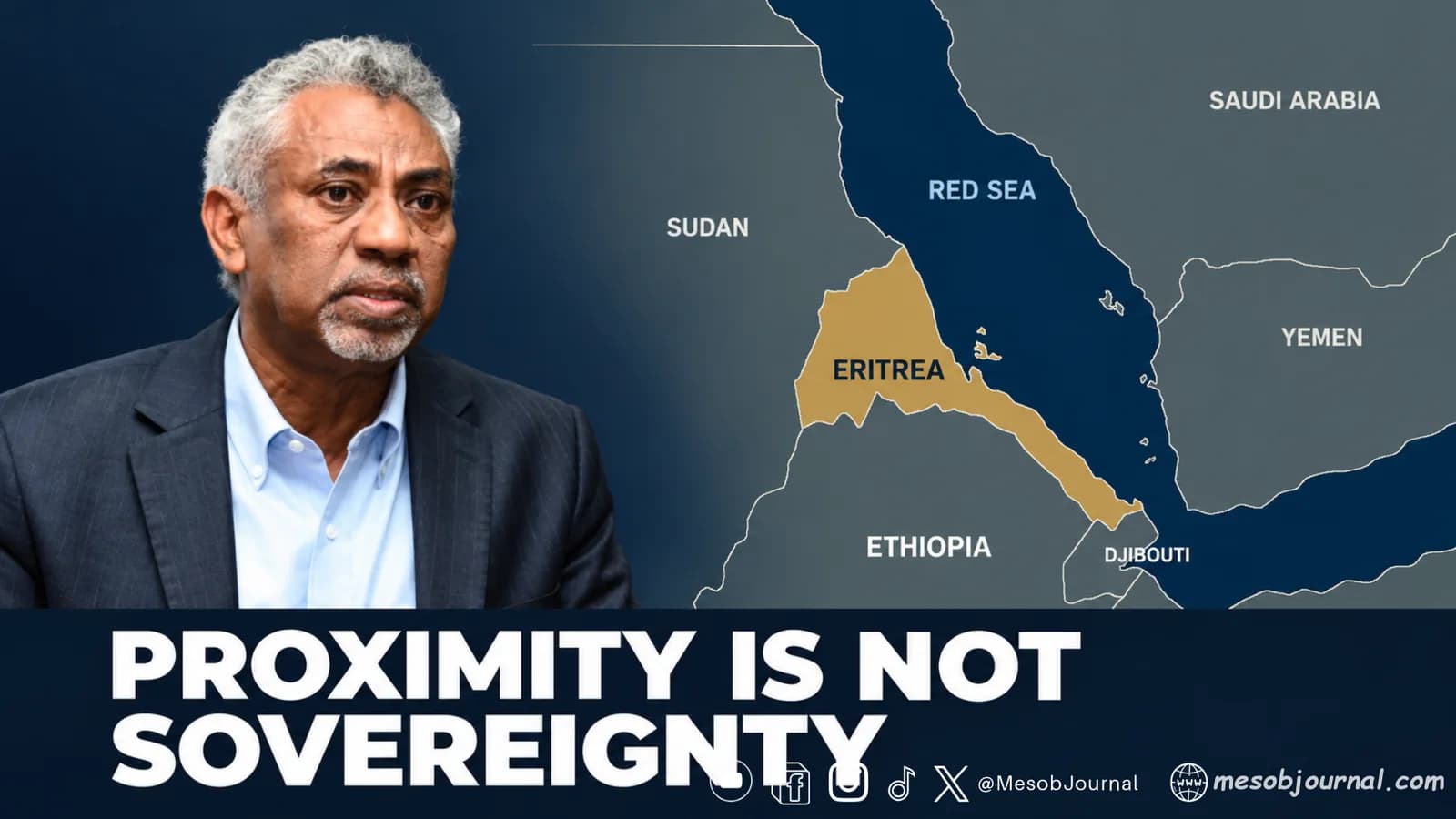
Representing a nation with over 1,200 km of coastline along the Red Sea, the Eritrean delegation emphasized Eritrea’s strategic role as a transit state rather than a barrier to development. Its message was simple: cooperation, not coercion; investment, not invasion.
Eritrea’s focus on infrastructure development - roads, ports, communication systems - is not limited to its national priorities but aims to enhance broader regional connectivity. Maritime security, regional peace, and shared development are part of Eritrea’s long-term vision. The delegation clearly stated: “solidarity and partnership among developing countries are critical for the attainment of sustainable peace and development.”
This is the language of cooperation rooted in mutual respect - a sharp contrast to Ethiopia’s recent escalations.
Ethiopia’s Red Sea Obsession: A Dangerous Delusion
In recent months, the Ethiopian regime - led by Prime Minister Abiy Ahmed - has been reviving a reckless, ultra-nationalist narrative: that Ethiopia, as a landlocked country, has a “right” to access the Red Sea through Eritrean territory. But let’s call this what it is: territorial irredentism wrapped in the language of economic justice.
International law makes it abundantly clear:
- Landlocked countries have the right of access to the sea — but not the right to own someone else's coastline.
- The United Nations Convention on the Law of the Sea (UNCLOS) protects transit arrangements through bilateral agreements, not unilateral demands.
- Eritrea is not obligated - legally or morally - to relinquish any part of its territory to serve the geopolitical ambitions of another state.
And yet, Ethiopian officials continue to float the dangerous idea of “access by any means necessary,” a phrase that raises historical ghosts of the 1960s annexation - when Ethiopia, backed by U.S. imperial interests, forcefully absorbed Eritrea and suppressed its legitimate right to self-determination.
That illegal occupation led to a 30-year war and the loss of over 100,000 Eritrean lives.
Eritrea: Consistent in Peace, Committed to Sovereignty
The Awaza conference was never about Ethiopia. But Eritrea’s statement gently reasserted principles that must be heard louder across the Horn of Africa:
“...guided by strong political commitment to mutual respect and mutual benefits one that is grounded on and consistent with the purposes and principles of the Charter of the United Nations, including full respect for international law and respect for sovereignty and territorial integrity.”
This is not just diplomatic speak. It’s a clear and coded reminder that Eritrea’s sovereignty is not up for negotiation - nor will it be sacrificed at the altar of another nation’s internal failures.
What Ethiopia lacks in maritime borders, it must not seek to compensate with belligerence. Eritrea has made its position clear: regional cooperation is welcome, but it must be rooted in equity, not arrogance.
A Message to the Region: Respect Trumps Revisionism
Eritrea’s message in Awaza was not just for diplomats - it was for the people of the region. Peace in the Horn of Africa cannot come through manufactured conflicts, destabilizing proxies, or maritime fantasies.
The path forward is obvious:
- Respect international borders
- Invest in cooperative infrastructure
- Sign fair bilateral trade and transit agreements
- Abandon the politics of domination and entitlement
The sea does not need to be a source of conflict. Eritrea has never denied its neighbors access - only encroachment. Ethiopia doesn’t need to fantasize about “owning a port.” It can negotiate transit like every other landlocked country on Earth - through legal, respectful, and mutually beneficial means.
Regional harmony and respect
At a time when global focus should be on climate resilience, food security, and sustainable development, it is disheartening that one country - Ethiopia - continues to destabilize the region with old maps and colonial logic. Eritrea, by contrast, stands firm in its development goals, its commitment to regional harmony, and its unshakable sovereignty.
As the UN conference reminded the world: development requires solidarity.
Eritrea reminds the region: solidarity requires respect.