
Ethiopia’s latest attack on Egypt says more about Addis Ababa’s own anxieties than Cairo’s regional posture.
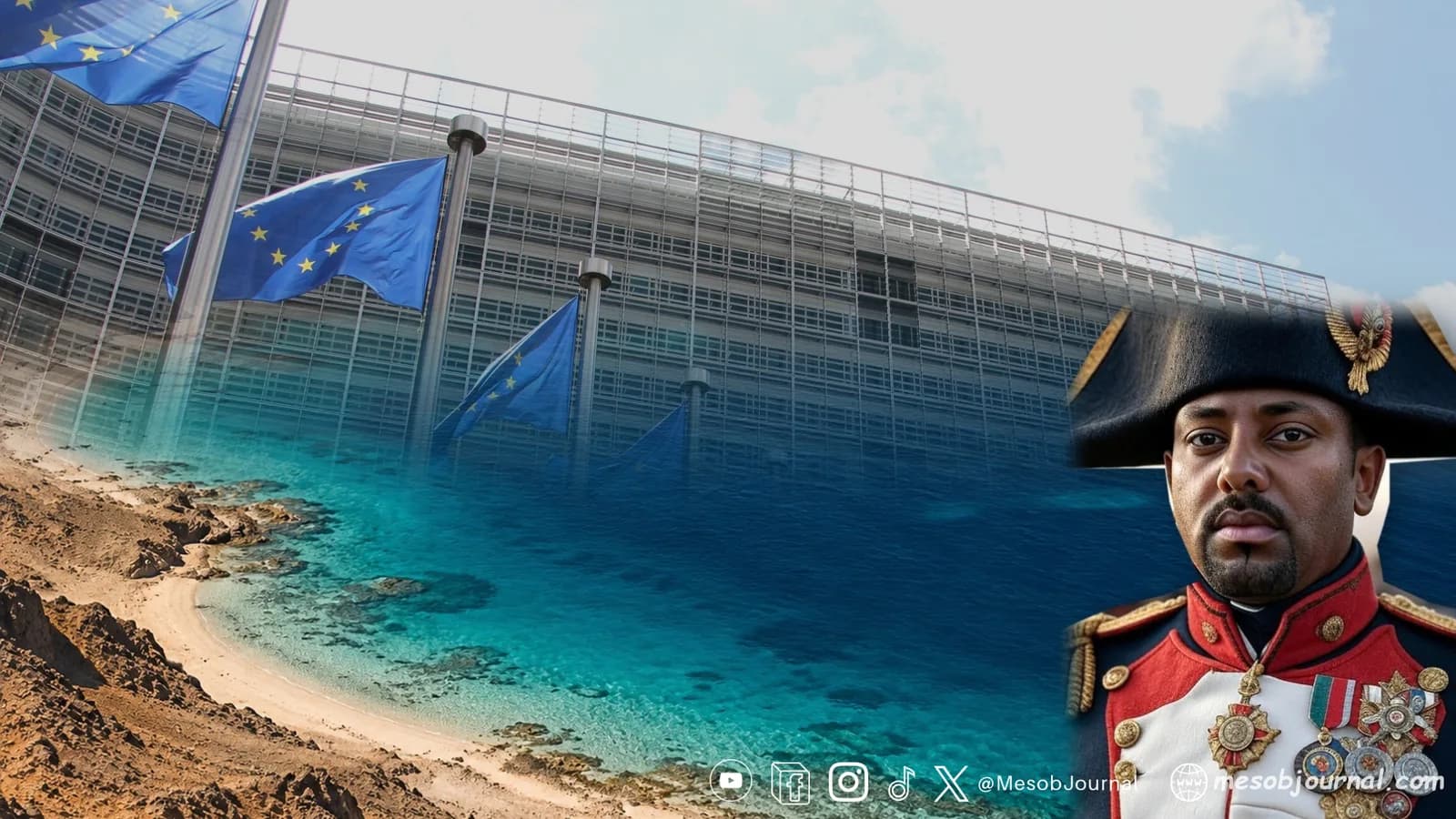
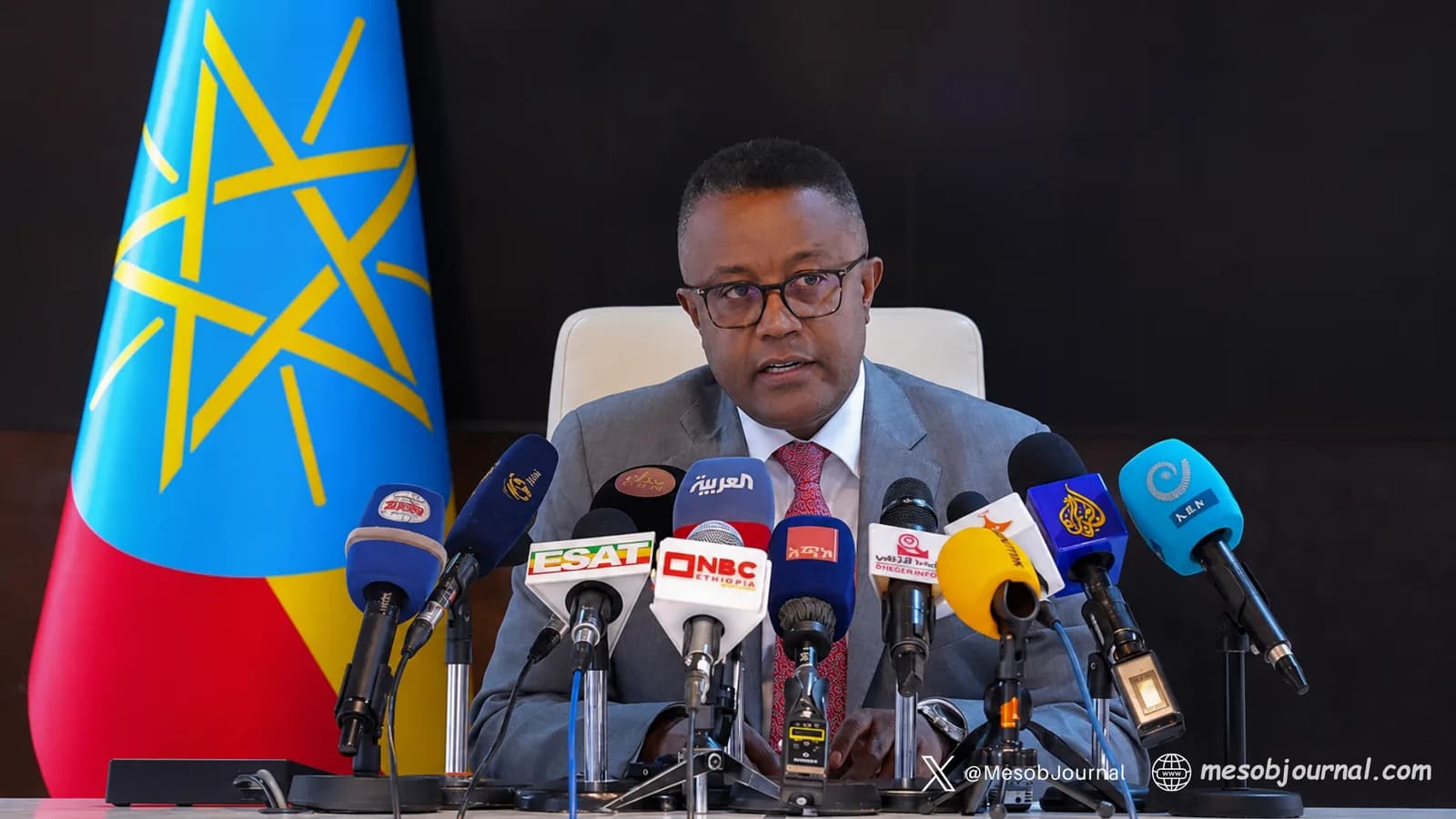
The Ethiopian Foreign Ministry has accused Egypt of working to obstruct Ethiopia’s “peaceful” quest for direct access to the sea. The wording is carefully chosen. It presents Ethiopia as a victim of external pressure, a landlocked giant unfairly blocked by suspicious neighbours and old regional rivalries.
But the claim falls apart under basic scrutiny.
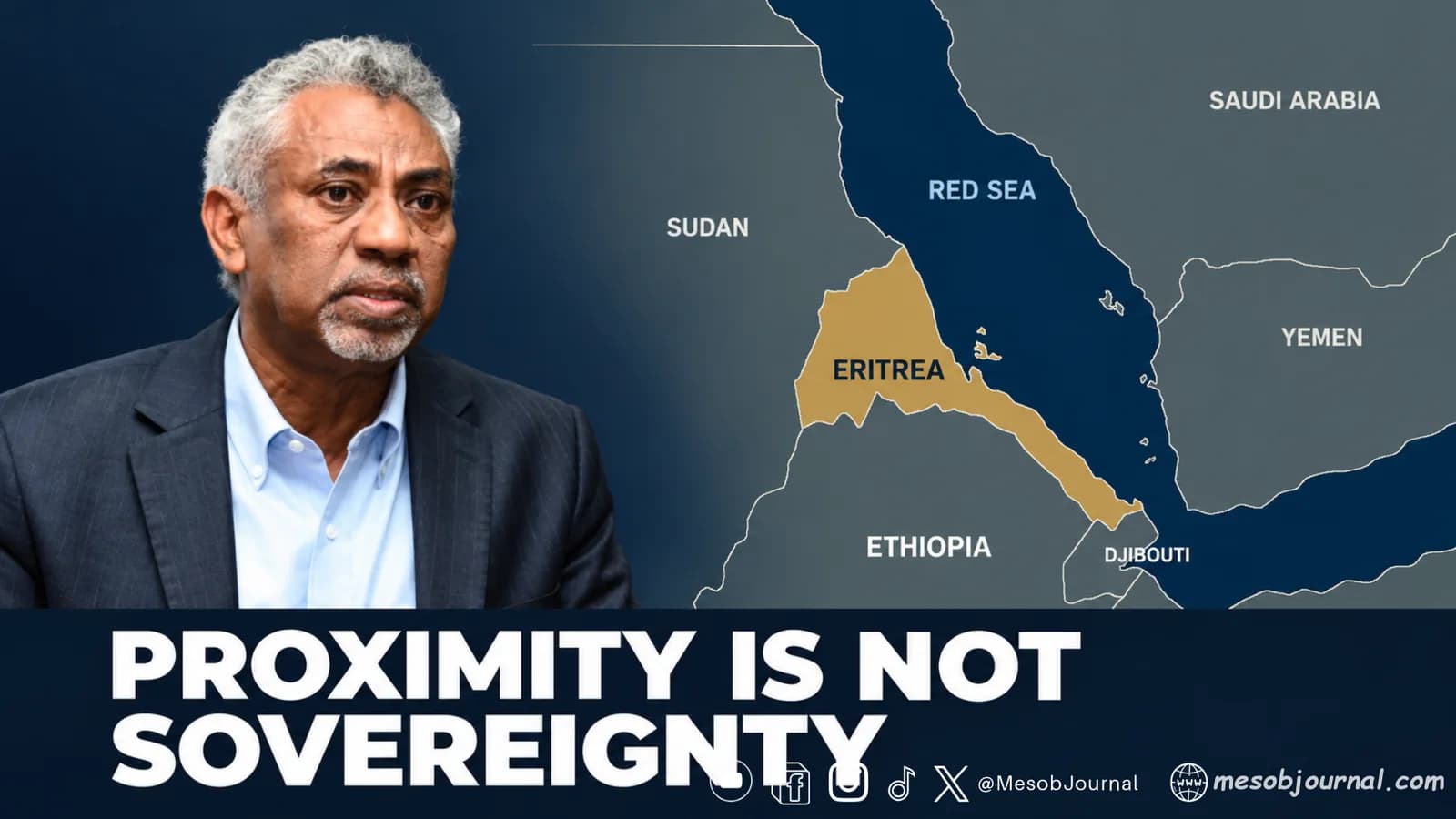
No country in the region has denied Ethiopia commercial access to the sea. Ethiopia already trades through Djibouti. It has had opportunities to use other regional ports as well, including Eritrean ports after Eritrea’s independence, under normal commercial arrangements. What Ethiopia lacks is not access. What it is trying to manufacture is pressure for something beyond access.
That distinction cannot be brushed aside.
A landlocked state has the right to seek transit and port services through agreement with coastal states. International law recognizes that. What it does not recognize is a right to acquire foreign coastline, administer another state’s port, establish a naval foothold on another country’s territory, or convert economic need into sovereign entitlement.
Ethiopia knows this. Its officials also know that “commercial access” is not the issue. If Addis Ababa wants trade corridors, it can negotiate them. If it wants lower costs, faster logistics and better infrastructure, it can build serious agreements with its neighbours. If it wants regional cooperation, it can start by respecting the sovereignty of the states around it.
But that is not where the current campaign has gone.
The language coming from Addis Ababa keeps sliding from access to ownership, from trade to strategic control, from cooperation to pressure. Ethiopia speaks of “regaining” access to the Red Sea as though the sovereign coastline of another country is a lost national possession. It frames landlocked geography as a historical injustice, not as a reality to be managed through diplomacy.
That is where the danger sits.
Ethiopia is not being punished by geography. It is trying to politicize geography. Many landlocked countries trade, grow and cooperate through agreed transit arrangements. Their governments do not threaten neighbours, question borders, or dress up territorial ambition as development policy.
Addis Ababa’s problem is not the absence of a port. It is the collapse of trust.
That trust has been damaged by Ethiopia’s own conduct. The January 2024 Somaliland memorandum was a clear warning sign. Ethiopia presented the move as a peaceful economic arrangement, but the substance involved a maritime and naval foothold on territory claimed by the internationally recognized Somali state. Somalia saw it for what it was: a direct challenge to its sovereignty.
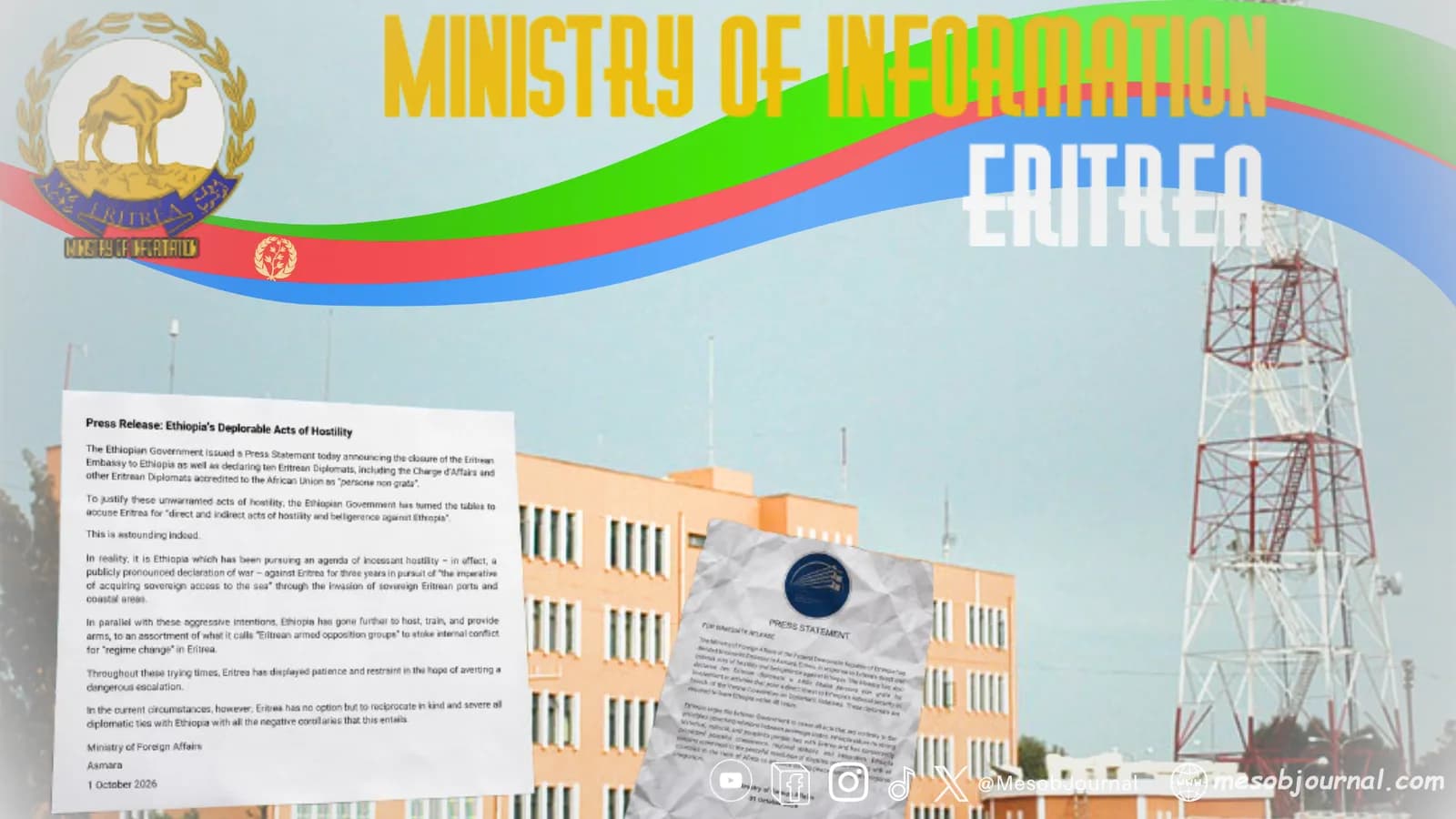
The same pattern appears in Ethiopia’s rhetoric toward Eritrea. Prime Minister Abiy Ahmed and state-linked voices have repeatedly treated the Red Sea as an existential Ethiopian question. Maps, speeches, policy language and media narratives have pushed the idea that Ethiopia’s size and population somehow create a special claim over the coastline of others.
That is not regional integration. It is revisionism with development language attached.
This is also why blaming Egypt looks convenient. Ethiopia is facing deep internal fractures, ethnicized politics, armed conflict, economic strain and growing institutional weakness. Instead of confronting those failures honestly, the government keeps searching for external villains. Egypt is blamed. Eritrea is blamed. Somalia is pressured. Sudan is pulled into a wider regional contest. The Red Sea becomes a political distraction for a leadership with little to show at home except war, debt, instability and widening mistrust.
Addis Ababa wants the world to believe that its development is being blocked from outside. But what exactly is being blocked?
Commercial use of ports? No.
Transit agreements? No.
Trade corridors? No.
What is being rejected is coercive access. Militarized access. Access wrapped in historical grievance. Access that treats Eritrean, Somali or Djiboutian sovereignty as an obstacle to be negotiated under pressure.
No serious state would accept that.
Ethiopia’s leaders need to stop confusing their domestic audience with dangerous propaganda. “Peaceful access” cannot sit comfortably beside threats, naval ambitions and rhetoric about existential necessity. “Dialogue” means little when the same government has shown a willingness to bypass recognized states and bargain over contested coastal arrangements. “Regional development” cannot be credible when it comes with pressure and threats against neighbours.
The Horn of Africa has lived through enough experiments in forced politics. Borders in this region are not suggestions. They are part of the legal architecture that keeps fragile states from being dragged into endless revisionist conflict. Once one government claims that size, population or economic need gives it special rights over another state’s territory, every border in the region becomes vulnerable.
Ethiopia needs commercial ports. Nobody disputes that.
But Ethiopia does not need another confrontation. It does not need another foreign policy gamble. It does not need to sell itself to whichever external power is looking for leverage in the Red Sea. And it certainly does not need to distract its people from internal collapse by manufacturing a coastal grievance against its neighbours.
There is a legal path available: negotiate commercial access, respect sovereignty, rebuild trust and stop threatening the regional order.
Anything beyond that is not access.
It is entitlement.