

Diplomacy · Eritrea
Eritrea’s FM Osman Saleh urges Yemen peace and joint Red Sea safeguards
Published
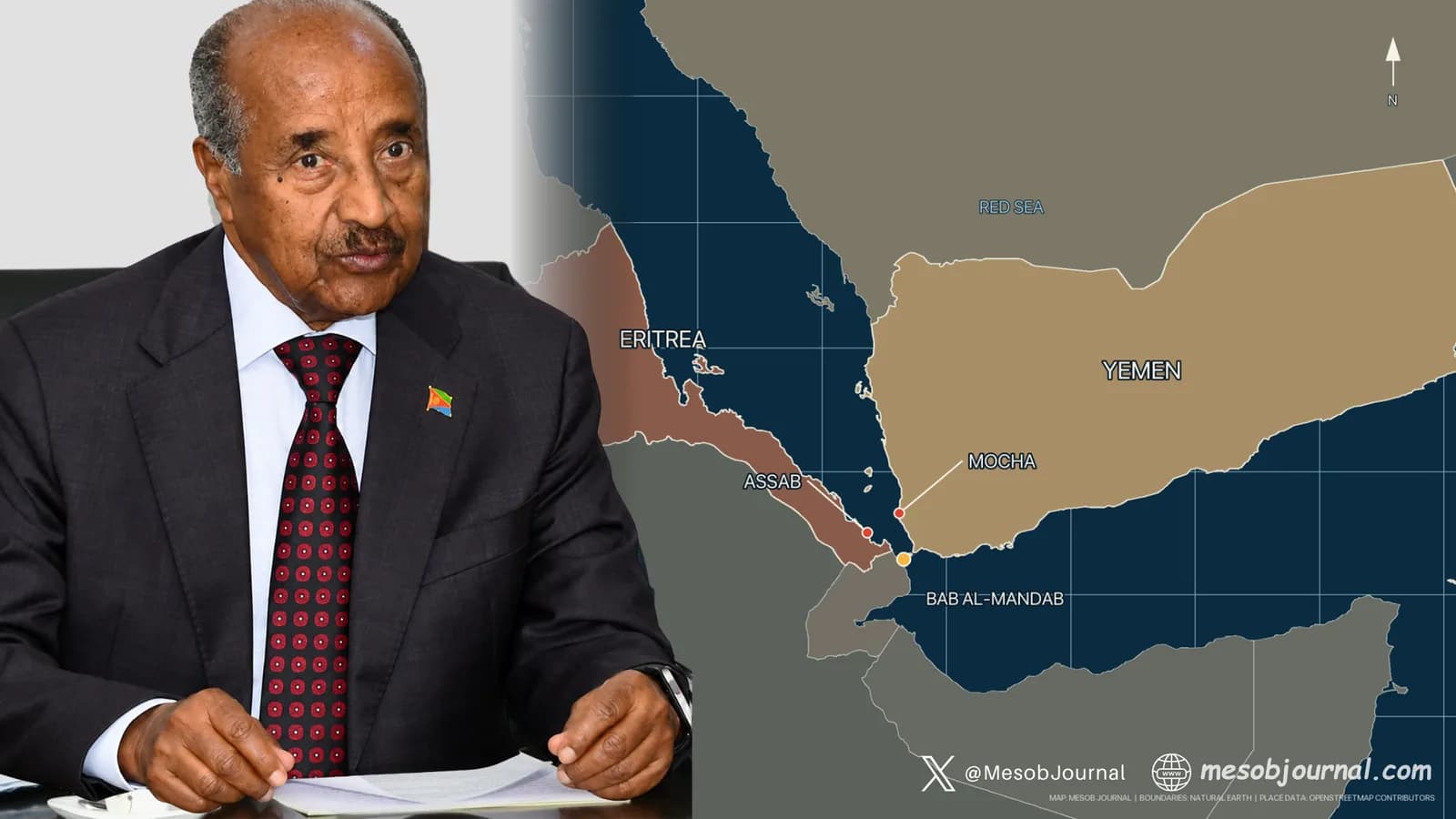
Eritrea's foreign minister rejected a military solution in Yemen and called for coastal states to jointly safeguard passage through Bab al-Mandab as fighting reshapes the Yemeni shore.
In an exclusive interview with Middle East Eye published Friday, Eritrea's Foreign Minister Osman Saleh rejected a military solution in Yemen and called for Red Sea coastal states to agree how to protect free navigation through Bab al-Mandab after Ansar Allah's takeover of Mocha intensified concern around the strait.
“There is no military option in Yemen,” Saleh said in Asmara, arguing that the country should be given a chance for peace. He described the Red Sea as a historic route of navigation and trade watched by many powers, and said Eritrea's position gives it a responsibility to help keep the waterway safe for all users.
Saleh also distanced Eritrea from suggestions that states bordering strategic waterways could impose transit tolls. Asked whether discussion around the Strait of Hormuz could lead Asmara to make a similar demand, he rejected the inference and instead called for collective discussion among Red Sea littoral states on free passage.
His sharpest formulation concerned Yemen's fractured authority. Saleh said the internationally recognized government did not control the country and questioned how littoral consultations could proceed without a cohesive Yemeni counterpart. Taken literally, the statement goes beyond the institutional record: the United Nations still engages the Government of Yemen, which administers parts of the south and east, alongside Ansar Allah. The substantive point is that no authority currently speaks for or governs all Yemen.
The timing gives the remarks immediate weight. On Thursday, UN envoy Hans Grundberg told the Security Council that Ansar Allah had taken Mocha, placing the movement directly on the approaches to Bab al-Mandab, although fighting remained fluid. The shift brings Yemen's internal fragmentation to the edge of a shipping corridor shared with Eritrea and Djibouti.
Saleh's position follows a documented Eritrean policy rather than a new alignment with any Yemeni party. Eritrea's 2019 Red Sea framework called first for national coastal capacity, then pooled action by littoral states, with outside support used only through an agreed framework. In July, Eritrea and Egypt again said Red Sea governance and security should rest with coastal states.
The message from Asmara is therefore both practical and sovereign: Yemen needs a political settlement, navigation must remain open, and Eritrea intends to participate as a responsible coastal state in shaping — not merely hosting — the security order around its own sea.
More News Briefs
View all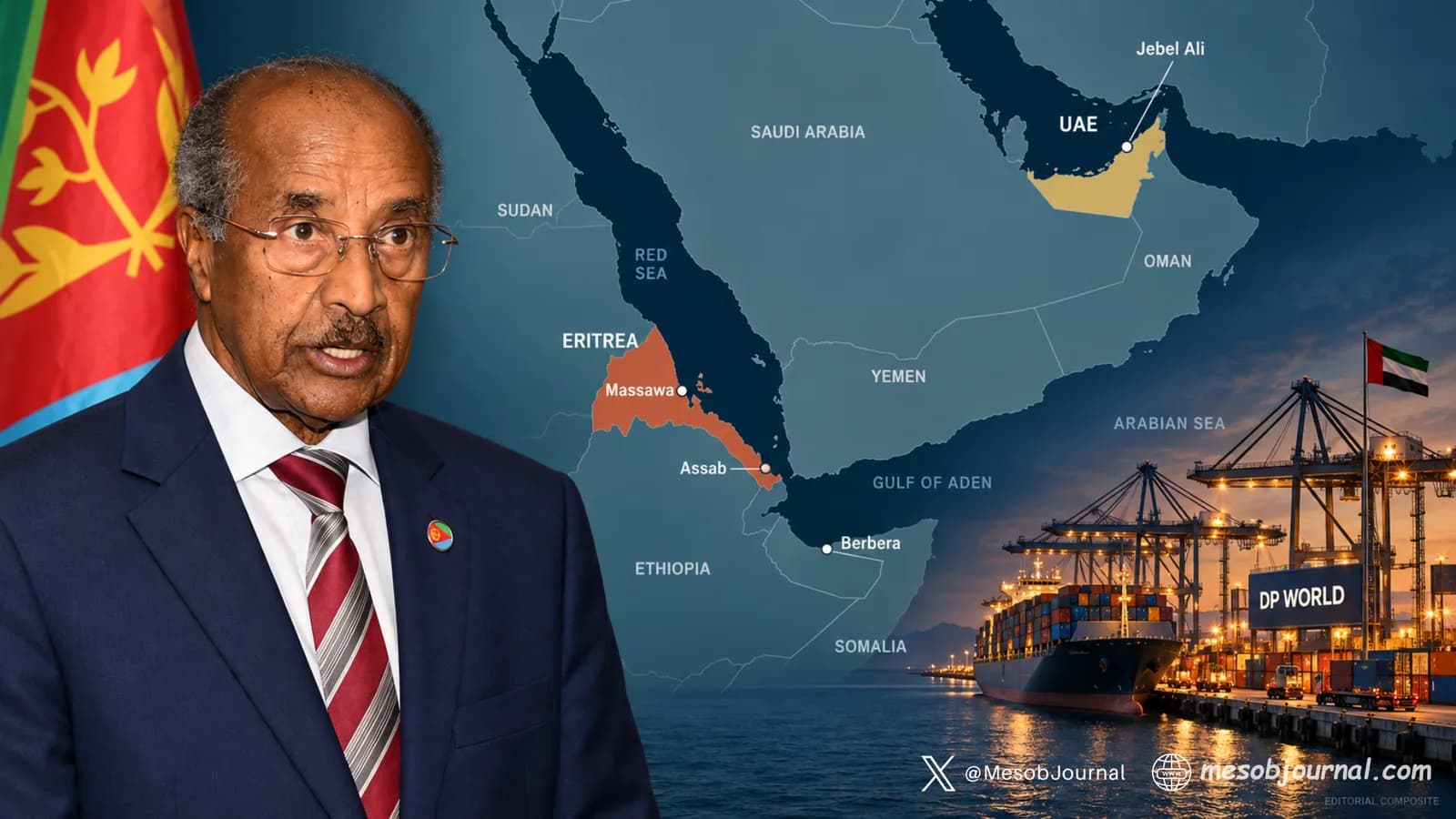
Diplomacy · Eritrea
Saleh says Eritrea rejected foreign-controlled port hub
Eritrea's foreign minister questioned the UAE's African port expansion and said Asmara had rejected giving any foreign power a strategic hub in the country.
Diplomacy · Eritrea
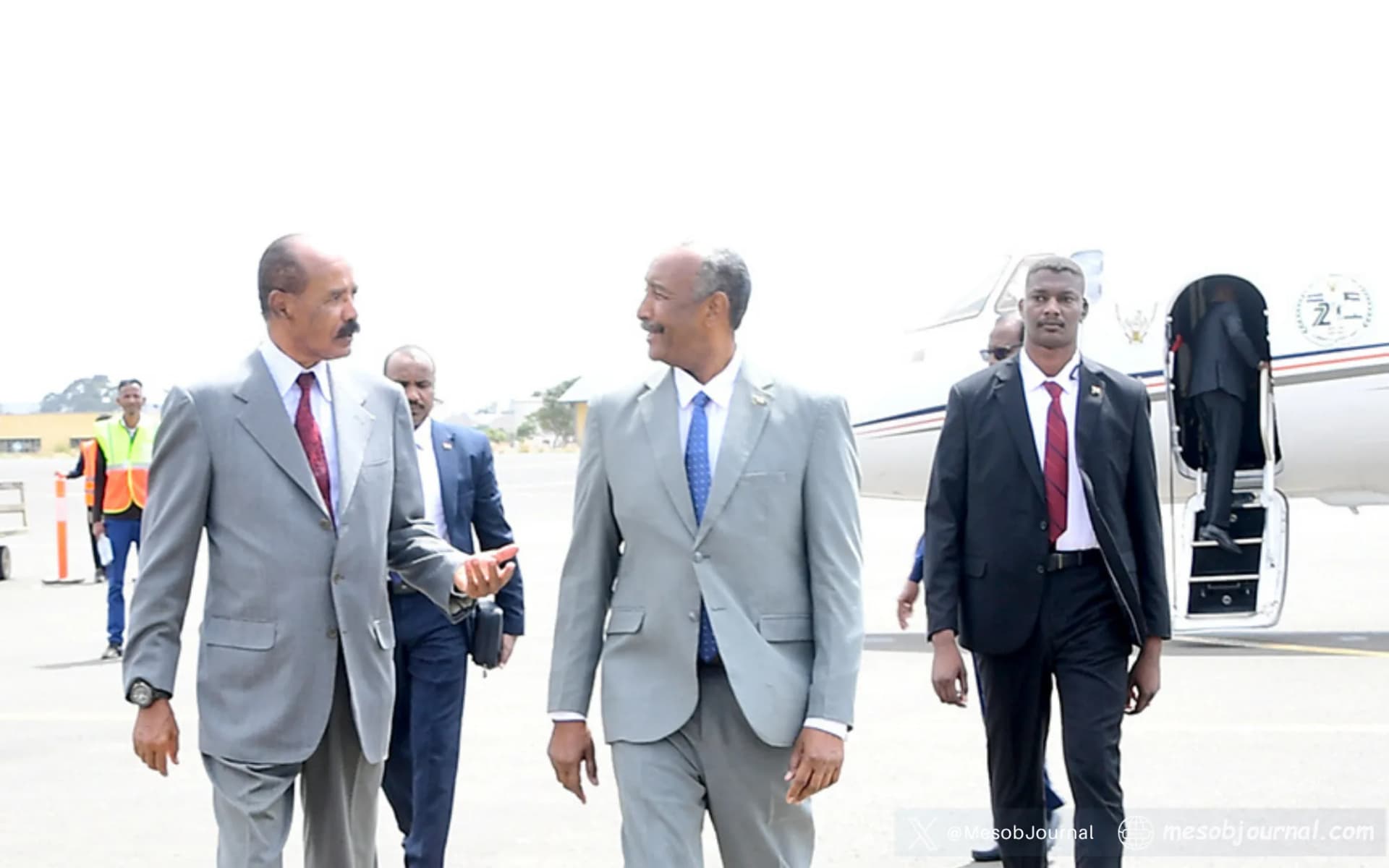
Burhan arrives in Asmara for talks with Isaias
President Isaias Afwerki welcomed Sudan’s Sovereign Council chairman for consultations on bilateral ties and regional and international issues.
Diplomacy · Eritrea
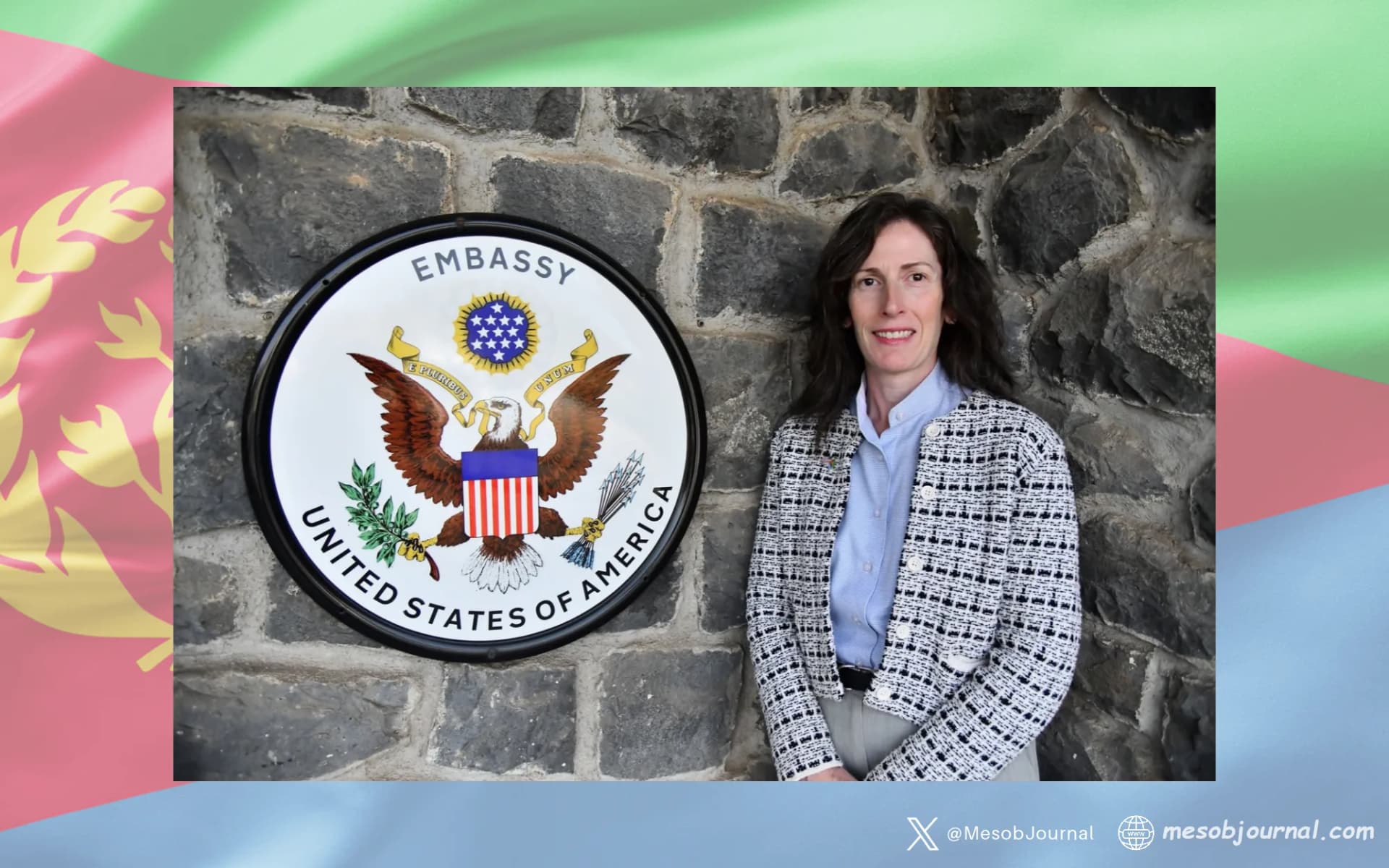
U.S. envoy affirms respect for Eritrea’s sovereignty and borders
Chargé d’Affaires Christine Meyer linked Eritrean and American independence before affirming Washington’s respect for Eritrea’s sovereignty and agreed borders.