
In today’s international discourse, Eritrea is often spoken about - but rarely with Eritrea. Narratives are shaped far from its borders, based on anonymous testimonies (most of them Ethiopians who claim to be Eritreans) and ideological templates that rarely reflect the country's complex reality. This week, as Eritrea calls for the termination of a controversial UN mandate, a deeper look reveals a story of sovereignty, resilience, and principle that deserves to be told.
A Mandate Without Consent: The Case of Eritrea
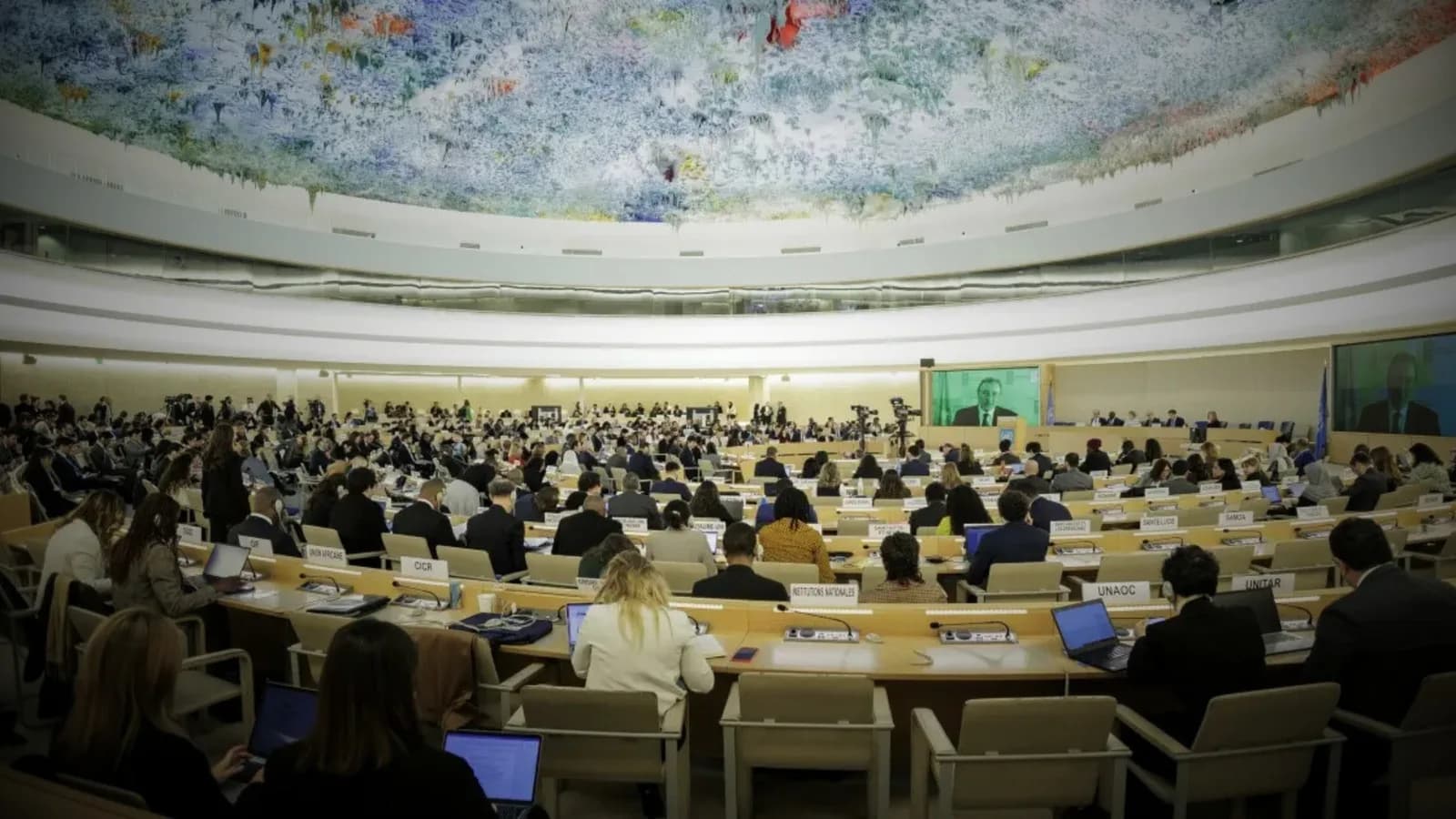
For thirteen years, Eritrea has been the subject of a country-specific Special Rapporteur mandate - one imposed without its consent, and built largely on testimonies collected outside its territory from unnamed sources. These reports, repeated annually, offer serious allegations but little transparency. The identities, affiliations, and motivations of the sources remain hidden from scrutiny. Meanwhile, UN agencies operating inside Eritrea submit regular, verifiable reports - yet these rarely find their way into the spotlight.
Why is one set of voices amplified, while the other is ignored?
History Matters: A Nation Denied and Defamed
Understanding Eritrea’s position requires historical clarity. In 1952, Eritrea’s right to decolonization was denied under UN auspices, leading to forced federation and eventual annexation by Ethiopia - a decision the UN never challenged. In 2002, the UN failed again by refusing to enforce the Eritrea-Ethiopia Boundary Commission’s binding decision. In 2009, sanctions were imposed based on claims that were never substantiated. Though eventually lifted in silence and shame, the damage was done.
These aren't abstract grievances. They are lived realities for a people who have seen the ideals of the UN bent under geopolitical weight.
Why Eritrea is Acting Now
The call to terminate the biased Special Rapporteur mandate is not a rejection of human rights. It is a principled stand against their instrumentalization. Eritrea has consistently engaged with international mechanisms - participating in the Universal Periodic Review, cooperating with African Union bodies, and hosting senior UN officials for dialogue and development planning. It is not isolationist, it simply rejects being singled out by mechanisms that lack objectivity and mutual respect.
This distinction is crucial: Eritrea seeks cooperation, not coercion.
Development Without Dependency
While external narratives often frame Eritrea through a deficit lens, the reality on the ground tells a different story. The country has made consistent gains in healthcare, education, gender equality, and sustainable development. National service - often criticized out of context - has been gradually reformed and is part of a broader nation-building effort forged in a region still struggling with conflict and instability.
Eritrea’s model does not rely on foreign aid dependency or donor-led agendas. It stresses self-reliance, social cohesion, and regional stability. This may not fit the dominant development mold - but it is working for Eritreans.
Human Rights Must Not Be a Political Weapon
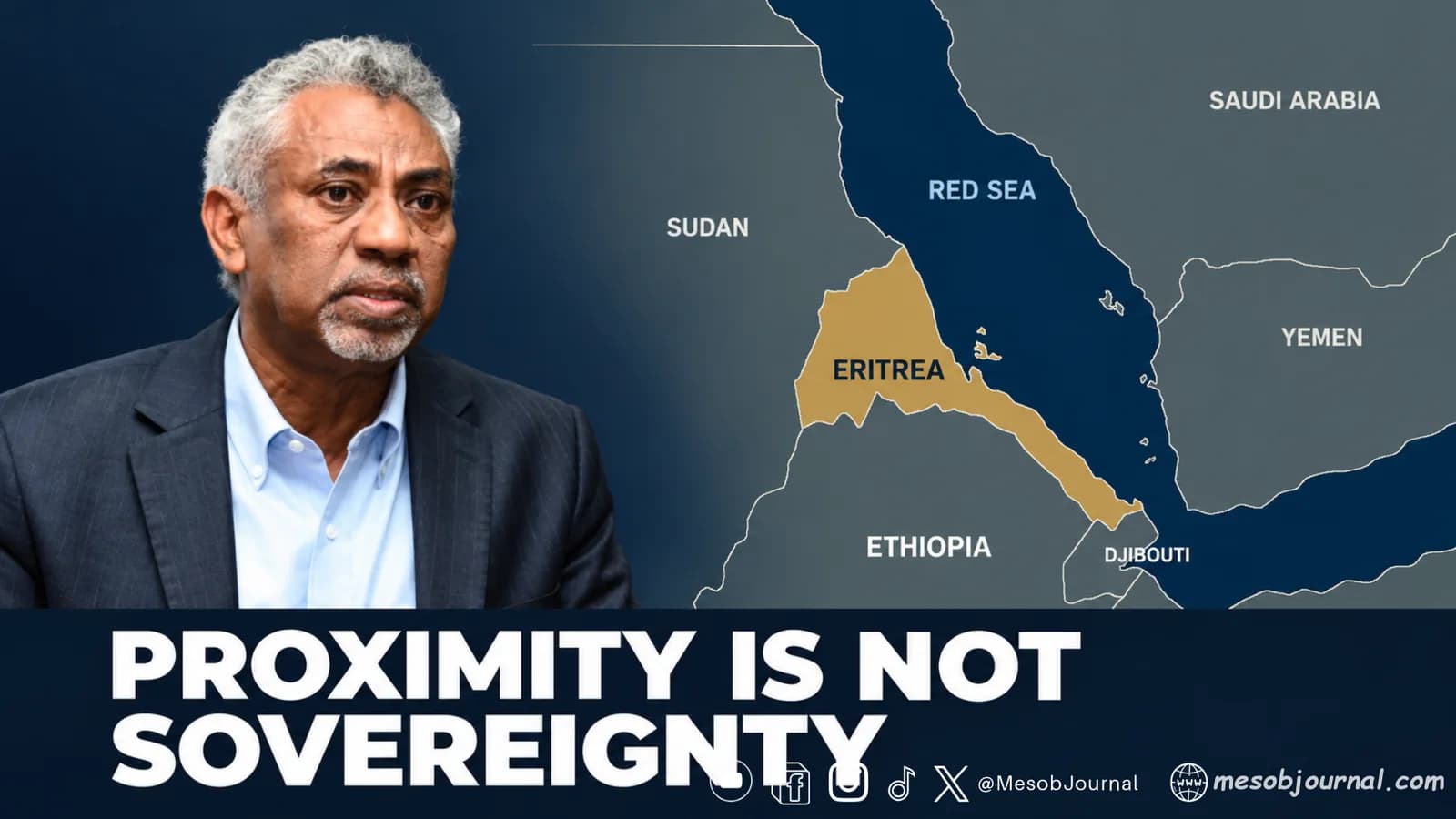
At the heart of Eritrea’s argument is a simple principle: respect for national sovereignty and equal treatment under international law. The biased Special Rapporteur mandate, imposed without consent and maintained despite opposition, violates this principle. If human rights are to be protected, they must not be politicized. Mechanisms must be transparent, balanced, and rooted in genuine dialogue - not imposed from above.
This is not an Eritrean issue alone. It is a question of fairness in international governance.
Toward a New Standard of Engagement
Eritrea is not asking for special treatment. It is asking for consistent application of the UN’s own values - sovereignty, objectivity, and cooperation. As the UN marks its 80th anniversary, the opportunity is ripe to reflect on how mandates are formed, how narratives are built, and whose voices are heard.
The move to discontinue the mandate should not be feared as precedent - it should be welcomed as progress.
Eritrea Demands Honesty
There are multiple ways to tell a story. One lens shows only crisis, isolation, and repression. Another reveals context, complexity, and quiet resilience. Eritrea’s call is not to escape scrutiny - it is to demand honesty in how that scrutiny is applied.
In an era where the global South is finding its voice, Eritrea’s stand is not an exception. It is part of a broader movement for dignity, equity, and a more balanced world order.