
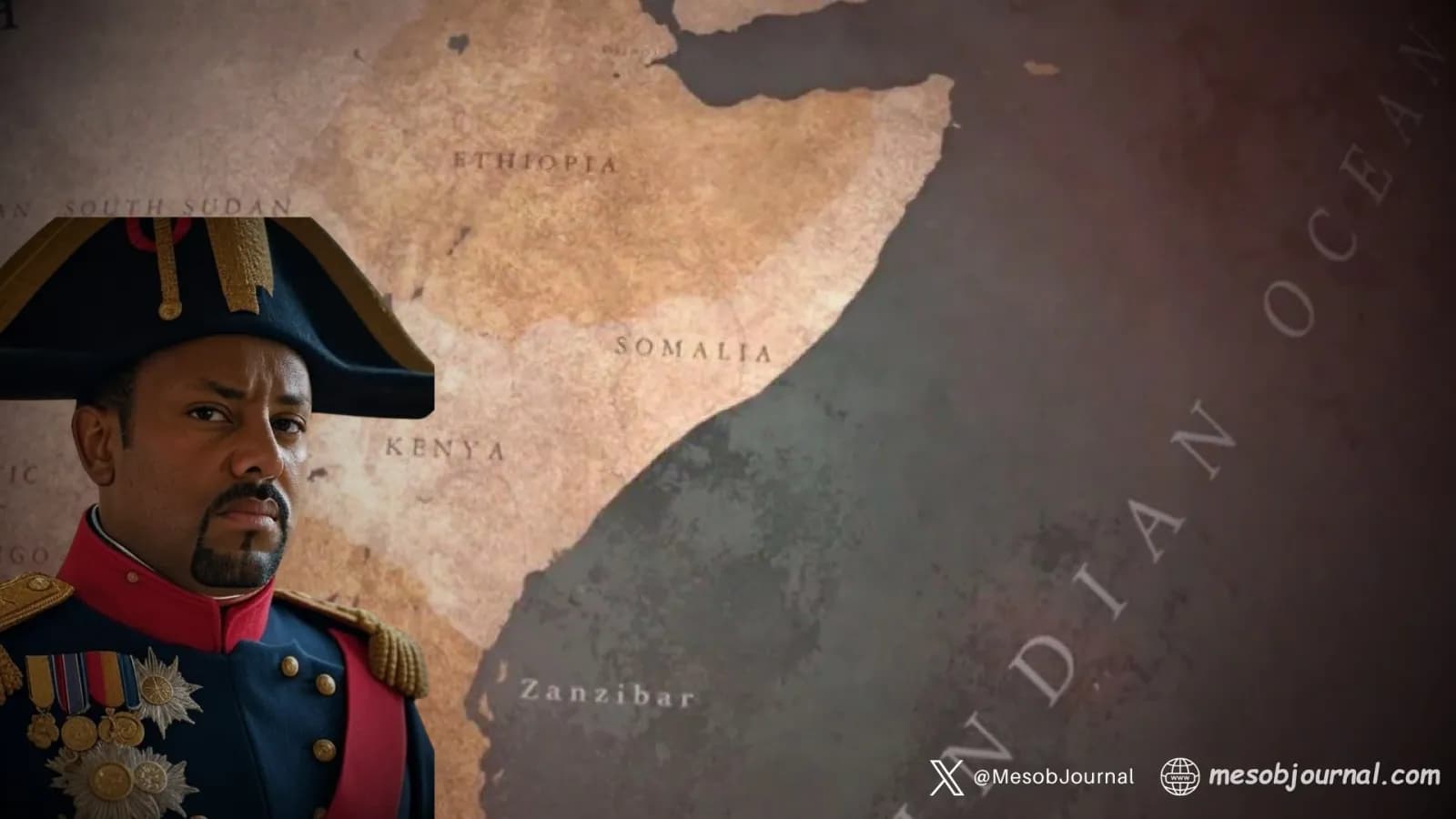
There are moments in diplomacy when silence is louder than words. And there are moments when a picture—deliberately chosen, officially circulated—does more damage than a thousand speeches. The map displayed this week in a video released by Ethiopia’s Prime Minister’s Office belongs firmly in the second category.
This was not a stray graphic or an online mishap — nor was it the first time such imagery has been used. It appeared in an official state production marking the visit of India’s prime minister to Addis Ababa. In it, Ethiopia was shown extending into territory internationally recognized as part of Somalia. Eritrea and Djibouti were swallowed entirely. In a region shaped by war, borders, and bitter memory, this was not a design error. It was a signal.
Maps matter because states know they matter. Borders in the Horn of Africa are not theoretical lines—they are the result of treaties, arbitration, and, in Eritrea’s case, a final and binding international ruling. When a government publishes a map, it is not engaging in art. It is communicating intent.
Timing Is the Tell
The timing makes the message impossible to ignore. Just days earlier, countries and institutions—including the European Union, the African Union, and the United Nations—marked the 25th anniversary of the Algiers Agreement, reaffirming respect for sovereignty, territorial integrity, and international law. The agreement is not symbolic. It is legally final. Eritrea accepted it in full from day one.
Then comes this map.
At a moment when restraint should have been the order of the day, Ethiopia’s leadership chose provocation. And not an isolated one. This follows months of rhetoric about “access to the sea,” flirtations with redrawing realities around Somaliland, and a growing habit of speaking about geography as entitlement rather than law.
Taken together, the pattern is no longer subtle. It is normalization.
The Problem With “Both Sides”
Western governments and multilateral organizations keep reaching for the same lazy language: “tensions,” “concerns,” “both sides urged to show restraint.” This reflex may feel balanced, but it is intellectually dishonest.
Both sides are not making territorial claims.
Both sides are not erasing neighbors from official imagery.
Both sides are not questioning borders settled by international arbitration.
Neutrality does not mean refusing to identify the source of destabilization. It means applying principles consistently. When one party challenges borders—whether by rhetoric, agreements of convenience, or cartographic messaging—calling that out is not bias. It is the minimum standard of international order.
If sovereignty and territorial integrity mean anything, they must apply when it is uncomfortable, not just when it is fashionable.
Maps as Political Weapons
History offers enough warnings. Before borders are tested on the ground, they are tested in language, then in imagery. What starts as “just a map” becomes a rehearsal for normalization. The Horn of Africa has seen this movie before—and it never ends well.
Eritrea’s position has been boringly consistent: respect international law, honor signed agreements, reject expansionist fantasies, and deal with neighbors as equals. That stance is not aggressive. It is stabilizing.
What destabilizes the region is the growing tolerance for ambiguity when clarity is required. The Algiers Agreement was designed to end ambiguity. The international community endorsed it precisely to prevent future disputes. Undermining that framework—directly or indirectly—invites the very instability these institutions claim to oppose.
The Question Institutions Must Answer
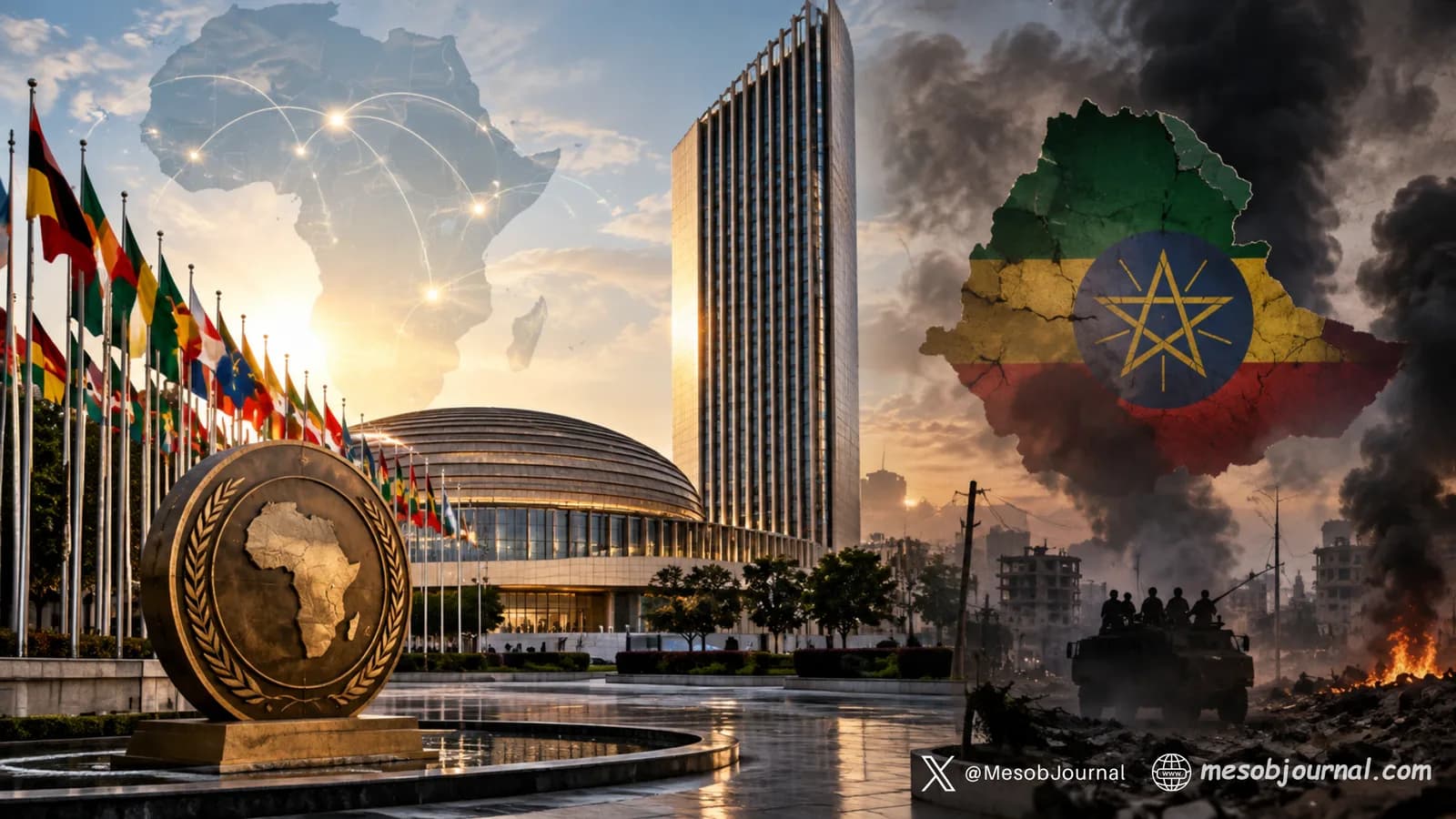
The African Union, the European Union, and the United Nations now face a simple test, not a complex one.
Do they consider the public dissemination of maps that distort recognized borders acceptable conduct by a member state—or not?
If not, they should say so plainly. No euphemisms. No “both sides.” No quiet footnotes.
If principles only apply selectively, then they are not principles at all—they are preferences.
Silence Is Not Neutral
Ethiopia’s leadership is not acting in a vacuum. It is acting in an environment where ambiguity has been rewarded and clarity avoided. Every unchallenged provocation becomes precedent. Every soft response invites the next escalation.
The Horn of Africa does not need more “concern.” It needs honesty. And honesty begins with calling things by their name.
This was not a mistake.
This was not harmless.
And pretending otherwise is how borders become battlegrounds.