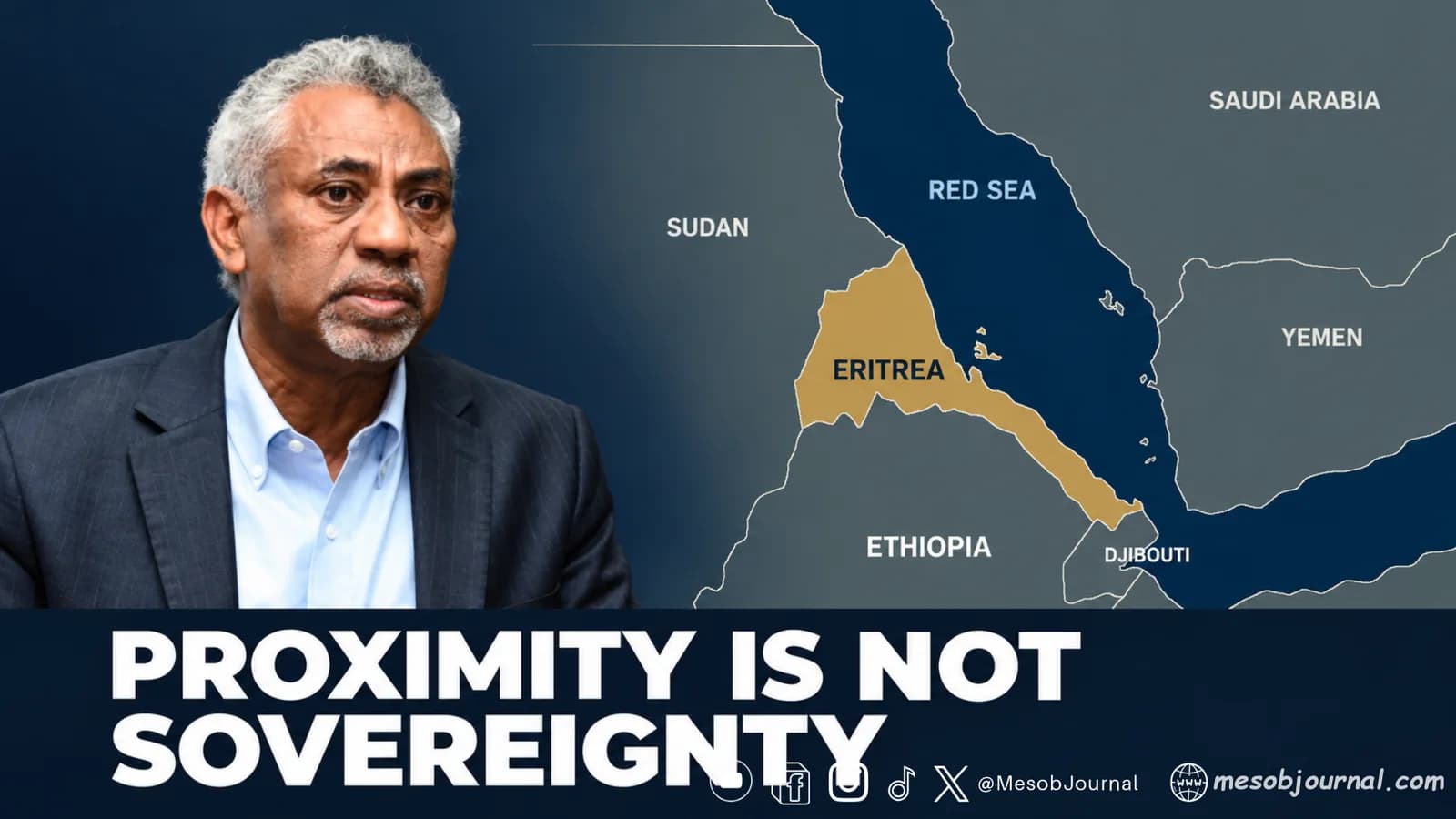


In a world crowded with assumptions and secondhand narratives, firsthand testimony matters. Over the past two years, the United Nations Resident Coordinator in Eritrea has offered exactly that: a grounded, lived account of a country often discussed from afar but rarely understood on its own terms. Her reflections carry weight, not only because of her senior role within the UN system, but because they come from someone whose career has spanned continents, crises, and development challenges.
What she describes is a nation defined by dignity, discipline, and a clear development philosophy rooted in self-reliance and long-term thinking. For bilateral partners, investors, tourists, and Eritreans in the diaspora, her experience offers a compelling invitation to look again—and look closely.
A Development Path Built on Ownership
Eritrea’s approach to development is not imported, improvised, or externally scripted. It is anchored in cultural values: collective responsibility, social cohesion, and national ownership. The UN Resident Coordinator emphasizes that sustainability here is not a technical term—it is a lived ethic.
This is why the UN Country Team’s Cooperation Framework is fully aligned with Eritrea’s national priorities. It is co-created with government institutions, shaped by local realities, and designed to strengthen systems rather than replace them. From health and education to climate resilience, food security, and industrialization, the UN’s work in Eritrea is rooted in partnership, not prescription.
For investors and development partners, this clarity of national vision and institutional ownership is a rare asset.
A Country That Defies Expectations
Before arriving, the Resident Coordinator already knew Eritrea’s history of sacrifice and equality, especially the role of women in the liberation struggle. But living and working in the country deepened that understanding. She speaks of strong communities, a proud national identity, and a determination to chart a sovereign path of development.
Her description is vivid: the beauty of the landscape, the warmth of the culture, the discipline of the people. For tourists and diaspora Eritreans, this is a reminder that Eritrea is not a geopolitical abstraction—it is a place of heritage, hospitality, and resilience.
Progress That Speaks for Itself
At the midpoint of the UN–Government Cooperation Framework, progress is visible across multiple sectors:
- Strengthened health and education systems
- Advancing food systems and climate resilience
- Improved data and institutional capacity
- A shift toward transformative financing models
These gains build on a foundation that is often overlooked: Eritrea was one of the few African countries to successfully achieve several Millennium Development Goals (MDGs), including major advances in health, education, and gender-related indicators. This achievement demonstrated the country’s ability to translate long-term vision into measurable results.
On gender equality, the Resident Coordinator highlights progress many countries struggle to match: strong gains in girls’ education, community-driven reductions in harmful practices, and a national ethos that recognizes women as central to development.
A Clear Position on Sovereignty and Sanctions
The UN has consistently underscored that unilateral coercive measures not authorized by the Security Council raise serious concerns for multilateralism and can harm civilian populations. In Eritrea’s case, the UN continues to document impacts, encourage dialogue, and remain guided by its Charter mandate—supporting development priorities and safeguarding humanitarian space.
This reinforces what many bilateral partners already know: Eritrea seeks cooperation, not dependency; partnership, not interference.
A Message to Those Watching Eritrea From Afar
The Resident Coordinator’s reflections close with messages to women, youth, and the diaspora—but they resonate far beyond those groups.
- To investors: Eritrea offers stability, clarity of purpose, and a disciplined workforce.
- To bilateral partners: Respectful, aligned cooperation yields results.
- To tourists: Eritrea is a country of beauty, culture, and authenticity.
- To the diaspora: You remain an essential bridge to the world.
Seeing Is Believing
In an era where narratives often overshadow facts, this testimony from a senior UN representative is a reminder that Eritrea’s story is best understood through direct engagement. Her experience underscores what many discover when they visit or work in Eritrea: a nation defined not by noise, but by quiet strength; not by dependency, but by dignity; not by rhetoric, but by results.
For those seeking a reliable partner, a stable investment environment, or a deeper understanding of a remarkable country—Eritrea is ready to be seen.