
South Sudan, the world's youngest nation, is teetering on the brink of a devastating return to civil war. While international attention is often diverted, the country is experiencing a severe political, humanitarian, and security crisis, fuelled by a collapsing peace deal, violent succession politics, spillover from the war in neighbouring Sudan, and Ethiopia’s internal crisis that has rendered it highly fragile.
The genesis of the current instability lies in the unresolved tensions that followed independence from Sudan in 2011. The Sudan People's Liberation Movement (SPLM), which led the independence struggle, was deeply divided along power struggle and personal interests. This fragile foundation was exasperated by the rivalry between President Salva Kiir (a Dinka) and his deputy, Dr. Riek Machar (a Nuer). In December 2013, Kiir accused Machar of attempting a coup. (“South Sudan Civil War: December 15, 2013 - historysnacks.io”) The ensuing violence quickly escalated into a full-blown civil war, with fighting largely centred around the two power houses.
Unfortunately, the followers of both sides made the conflict look like a split along Dinka-Nuer ethnic lines even though it was more due to a power struggle than anything else. The conflict was marked by horrific atrocities, including the 2013 massacre of thousands in and around Juba where most victims were Nuers. A 2015 peace deal collapsed in 2016 because it was a top-down elitist pact that did not resolve the fundamental issues of power sharing and security. It papered over deep fractures with a temporary power-sharing formula that neither side was truly committed to honouring. The July 2016 Juba clashes were not an accident but a symptom of the agreement’s fatal flaws.
A Revitalised Agreement onthe Resolution of the Conflict in the Republic of South Sudan (R-ARCSS) was signed in 2018 in Addis Ababa through the mediation of Ethiopia’s new Prime Minister, bringing Machar back as First Vice President in a power-sharing Revitalised Transitional Government of National Unity (RTGoNU). This deal is now unravelling due to preventing its relevance in addressing the real and historical internal struggle of the ruling party and its very fragile unity by the unwilling implementors. Even though the deal halted large-scale fighting, it wasn’t allowed to address core grievances, leaving a legacy of devastation.
The war killed an estimated 400,000 people and displaced over four million. Even after 2018, chronic hunger, widespread violence, and systemic corruption persist, causing one of the world's biggest humanitarian catastrophes. Key transitional tasks—security sector reform, population census and delimitation, constitution-making, election preparation, transitional justice, and accountability—were repeatedly stalled. The economy, reliant on oil exports through Sudan, is experiencing an acute fiscal crisis caused by the war in Sudan and rampant corruption.
The transitional period following the 2018 R-ARCSS that existed since 2018 has shattered in recent months, driven by three interconnected factors causing a perfect storm: succession politics and the dismantling of the peace agreement that underpinned South Sudan’s unity government, renewed armed conflict, and regional spillover from Sudan's internal war motivated by direct external forces. President Kiir has moved to anoint a politically inexperienced business associate, Benjamin Bol Mel, as his successor. To clear the path, Kiir has dismantled the 2018 peace bargain by removing senior officials in his camp, arresting the First Vice-President, Riek Machar, and launching attacks on his forces. This has reignited deep political fissures within the ruling elite.
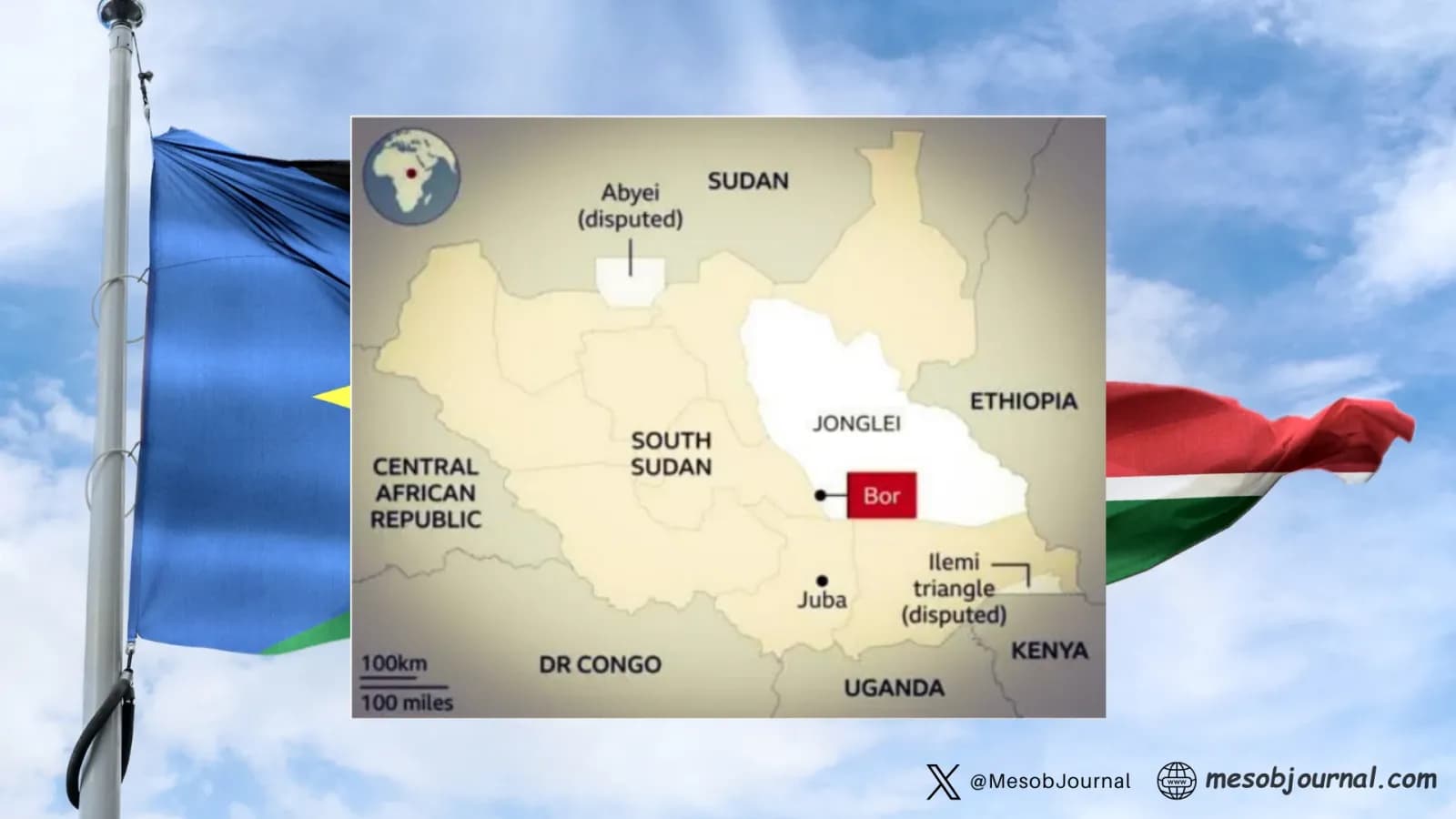
These political manoeuvres have triggered violent clashes across the country. An active war is now raging in Jonglei State, where the 2013 splinter group from the main SPLM as a result of deep political tension between President Kiir and Vice President Machar, Sudan People’s Liberation Movement – in Opposition (SPLM-IO) forces have retaken the strategic towns of Waat, Yuai, and Pajut, and are now closing in on Bor, a major administrative centre only 173 km from Juba. Fighting has also intensified in Morobo and Yei Counties, both of which experienced clashes just last week. Additional incidents have been reported in Dajo, in Longchuk County of Upper Nile State, signalling a widening conflict front across the country.
The situation deteriorated further in March last year when a “White Army” force (or Jiec Inbhor in Nuer – youth wearing white colour ash that they rub on their skins - are a heavily armed, loosely organised, and largely autonomous Nuer ethnic militia that originated in the early 1990s as a response to cattle raiding) allied to SPLM-IO overran an South Sudan People’s Defence Forces (SSPDF) barrack in Nasir, - formerly Sudan People’s Liberation Army (SPLA), resulting in the killing of the commanding general. This incident triggered a sweeping crackdown by the government. Senior SPLM/A-IO officials—including the Deputy Chief of General Staff of the SSPDF, who also served as the SPLM-IO Chief of Staff, as well as First Vice President Dr. Riek Machar and several of his ministers were arrested and are now standing trial in Juba for treason, murder, and crimes against humanity. This is a clear violation of the R-ARCSS and abrogates it, inflames tensions, and undermines any remaining trust.
The South Sudanese army are now preparing to advance into the areas held by SPLA-IO forces and supported by the Uganda People’s Defence Force (UPDF). Threats by the SPLA-IO forces to advance towards Juba with the aim of occupying it are, meant to put pressure on the government to release Vice President Machar. However, the recent reshuffle in the government shows obvious signs that the unity government, established in 2018, is nothing but falling apart and the possibility for a devastating civil war to escalate.
Since April 2023, the civil war in Sudan has severely exacerbated South Sudan’s crises. It has disrupted vital oil exports, sent over 1.2 million refugees and returnees across the border into South Sudan, and fuelled cross-border insecurity.
Even though the South Sudan situation is one of the most complex in the region, an attempt to understand the root causes is also a formidable task. Political elite stoke ethnic division and tensions to maintain power and control oil wealth, making compromise untenable and turning everything into zero-sum power politics. Political leaders have now resorted to mobilizing support along ethnic lines, turning political disputes into communal conflicts. The oil revenue, fuels patronage networks and corruption, instead of development. The state lacks an independent judiciary, professional army, and a credible electoral body along with several other weak institutions (all these were detailed in the R-ARCSS for how they should be reformed and/or established, but this has largely not been implemented).
Regional interference has been a destabilising force, and in the current crisis, the negative roles of neighbouring and international actors have become even more pronounced:
Uganda has increasingly aligned itself with the SPLM faction of Salva Kiir in Juba, providing political cover and, at times, military and logistical support, which has deepened internal divisions. While recent elections in Uganda may have blurred news of involvement of Uganda in South Sudan, it is suspected that increased troop movement into South Sudan from Uganda, is evident. Uganda has a history of relentless interference in the internal affairs of South Sudan, and the current situation also proves more of that.
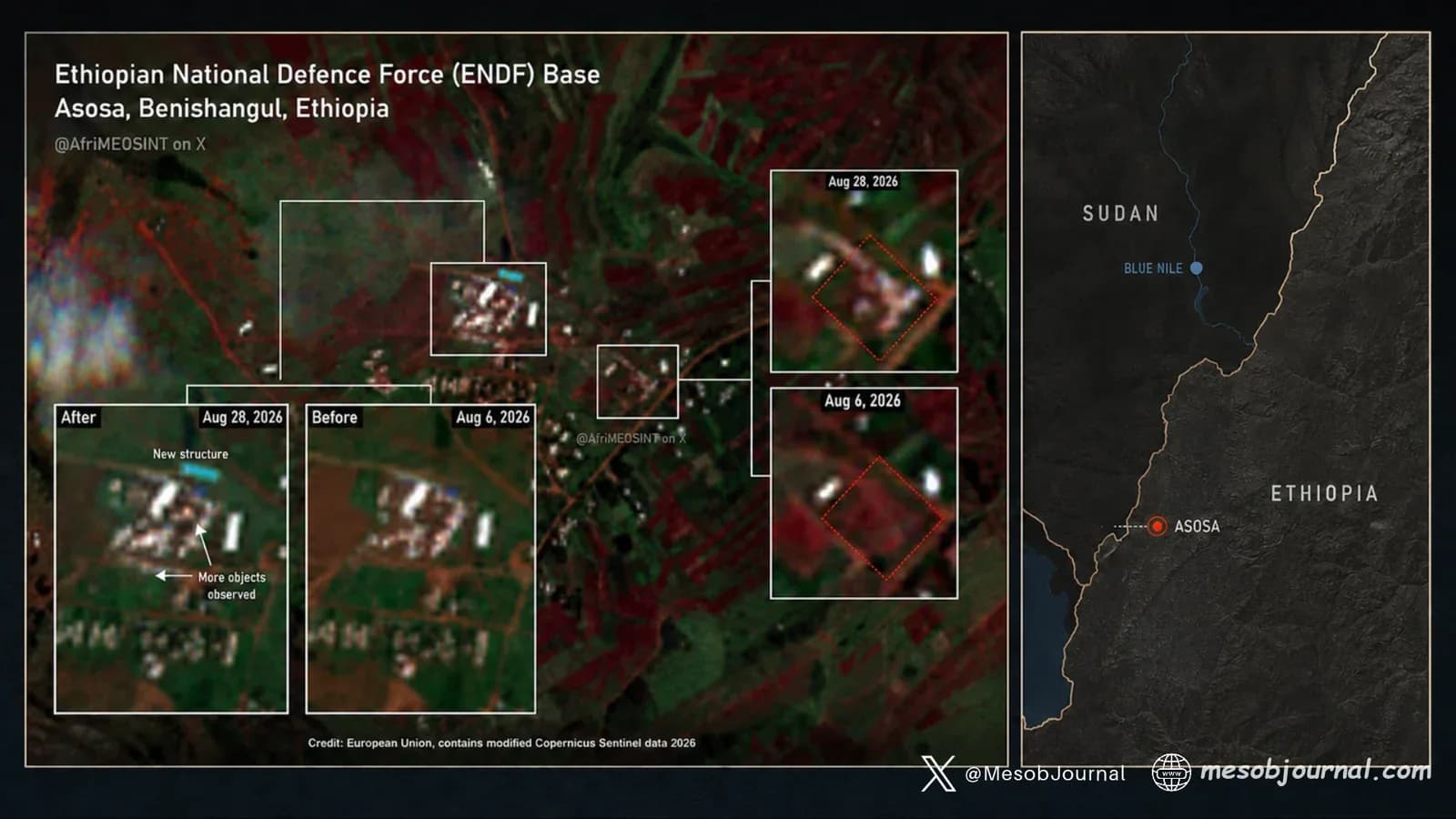
Sudan, fractured between the SAF and RSF in a proxy war for external interests, has turned South Sudan into a strategic backyard for the war with South Sudanese territory, communities, and elite used to advance the internal conflict in Sudan. Intelligence reports indicate RSF collaboration with Ethiopia and United Arab Emirates (UAE), which has established a military training centre and logistics hub inside Ethiopia close to the Sudan border. This training camp is recruiting mercenaries from the White Army of South Sudan and the Benishangul and Gumuz communities of Ethiopia to fight in the Sudan war.
Ethiopia’s role has also become increasingly problematic. Addis Ababa has failed to provide consistent support to the implementation of the R-ARCSS as agreed in 2018, largely because it is consumed by its own internal conflict in Afar, Tigray, Amhara, Oromia, and other regions as well as proxy roles for UAE in the Sudan conflict and obtaining a port control on the red sea/Gulf of Aden. These internal crises have weakened Ethiopia’s diplomatic capacity. At the same time, Ethiopia’s growing economic interests and externally driven sea-port control ambitions,have made it reluctant to pressure the South Sudan government in any meaningful way, to adhere to the 2018 deal.
Ethiopia also views the proposed Gambella–Maiwut–Mathiang–Adar–Maluth road corridor (estimated at USD783 million to be financed and constructed by Ethiopia while South Sudan is expected to repay the USD3 billion loan to Ethiopia), as a vital transit link for future oil transport to a sea port – (a fact that many regional observers attribute to a race against Eritrea and Sudan to extend an oil pipeline from the oil fields of South Sudan to the Red Sea). This has created a situation where Addis Ababa prioritizes its self-interest of infrastructure access over peace enforcement. This economic priority has made Ethiopia increasingly lenient toward Juba, avoiding any firm stance that might jeopardize its long-term plans for energy transit. As a result, Ethiopia’s internal instability and strategic calculations, combinedto undermine its effectiveness as a neutral mediator.
IGAD, a progressively weakening regional economic commission, has left a gap in a well organised neutral mediator. This has further weakened regional efforts to resolve South Sudan’s crisis. IGAD, once attempted to be propped as a central peace mediation for both Sudan and South Sudan crisis, has failed miserably and became paralysed by competing national interests (particularly between Djibouti-Ethiopia, Eritrea-Ethiopia, Ethiopia-Uganda, and Ethiopia-Sudan) making it incapable of enforcing agreements or restraining spoilers. As of recent developments, Eritrea has officially exited IGAD, and Sudan has suspended its membership since 2024, undermining the REC’s relevance in any future peace and security dealings in the region. There is already talk among experts that this body may have to be reconstituted as new with a different view and relevance.
The UAE, driven by its strategic interests in the Red Sea and its support for RSF in the Sudan war for control of gold and gum-arabica trade, has indirectly contributed to the militarisation and political fragmentation of South Sudan by empowering regional proxies whose actions spill across borders. Its recent shift of transit flights of military cargo planes from Bossaso and Beira in Somalia to Assosa in Ethiopia is a clear indication that its support for regional powers to continue to destabilise South Sudan will be sustained. It is also reported that its troops and finances are involved in propping up a base inside Ethiopia to train mercenaries and channel arms shipments to RSF.
Even regional organisations that should provide stability have fallen short. The East African Community (EAC) has been largely ineffective, preoccupied with its own internal tensions, fractured over its role in the Democratic Republic of the Congo (DRC) crises, its member Uganda deeply involved in the SouthSudan crises and lacking a coherent approach to South Sudan’s crisis.
Meanwhile, the United States, once a key supporter of South Sudan’s independence, has retreated into a reactive and inconsistent policy posture. Washington’s sanctions and statements have had negligible impact, while its disengagement has created a vacuum filled by regional and Gulf actors whose interests do not align with peace or institutional development in South Sudan.
This internal fracture is at a critical juncture and a return to widespread, but an avoidable civil war is already unfolding. Critical regional observers warn that the country shows "all the signs of a clear state collapse." The crisis in South Sudan is not a forgotten conflict but a neglected one. Its resolution requires moving beyond ceasefires to address the fundamental issues that include external interference, governance, power structure, and the emerging use of ethnicity as a major game to control power by following the pathway mentioned in the agreement.