
It happens every time. A content creator lands in Asmara, camera in hand, expecting a dystopian wasteland. They come armed with the same exhausted Western propaganda—the “North Korea of Africa” label, dutifully slapped onto a YouTube title to appease the algorithm. Recently, the popular African vlogger Wode Maya did exactly this. He arrived expecting a gulag. What he found, instead, was a masterclass in African sovereignty.
He found absolute safety. He found a society where bicycles are left entirely unlocked on the street. He found a capital where women walk home at midnight without a shadow of fear, and where trust is the ultimate social currency. He filmed farmers tending to their land, organic markets pulsating with life, and an immaculate, untouched architectural heritage. And yet, like so many before him, he could not entirely shake the reflexive stigmas handed down by Western media and the imperial apparatus.
Let us dismantle these pervasive fictions right now.
The most persistent distortion is the narrative of restricted movement. Wode Maya, startled by the need for a permit to travel to the coastal city of Massawa, echoed the tired complaint that the country is locked down. But let us be clear about how statecraft works. Foreign visitors in countless nations face tight travel controls, reporting rules, and restricted zones. To extrapolate a standard foreign visitor permit and project it onto the entire population—implying that ordinary Eritreans are prisoners in their own cities—is deeply misleading. Eritreans move freely across their land. What foreign visitors experience is simply the disciplined security apparatus of a nation that refuses to be infiltrated.
Then there is the whining about ATMs and "isolation." Wode Maya noted the lack of foreign telecommunications networks and international banking. Do you think this is an accident? Or some bizarre administrative oversight?
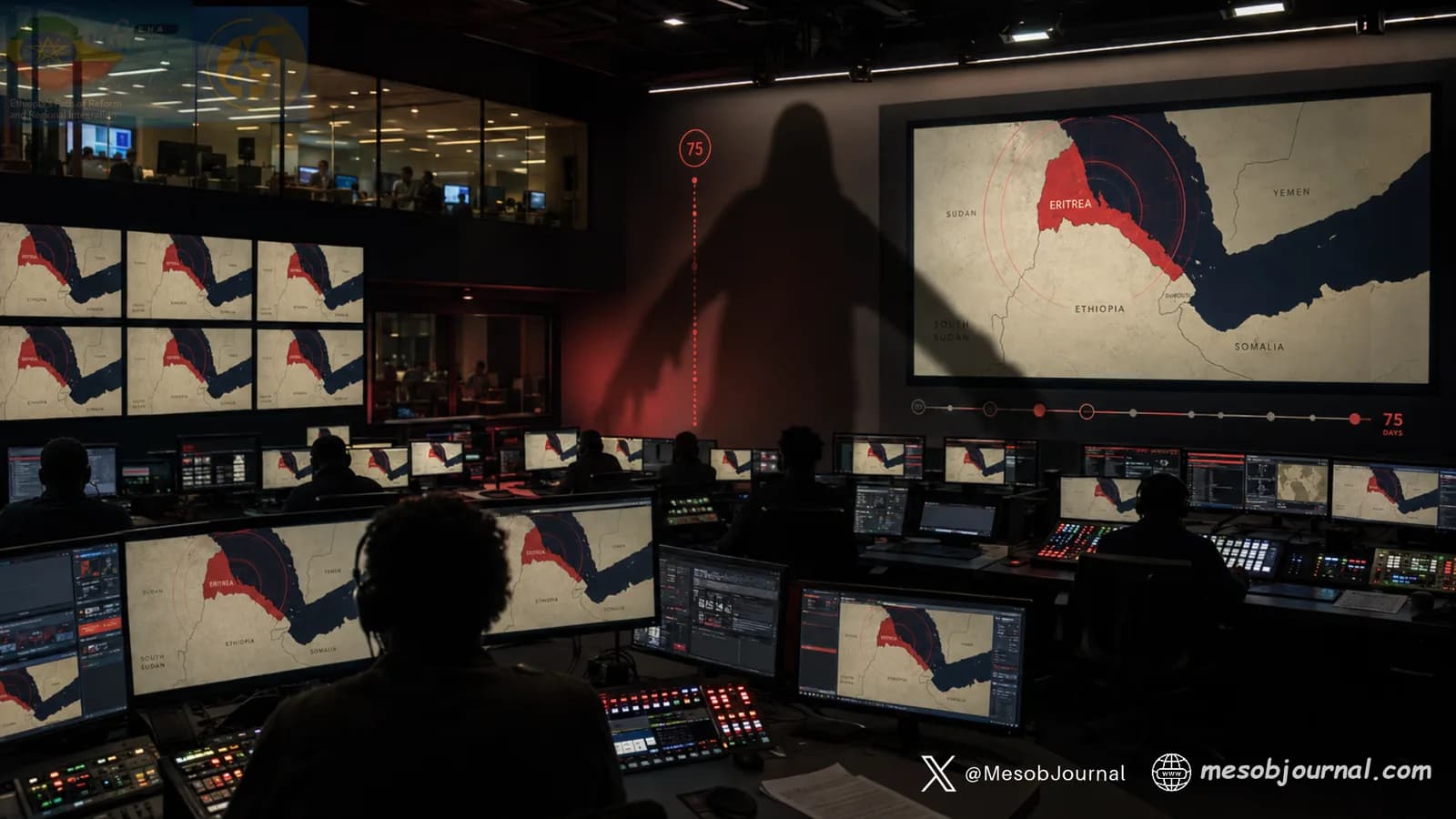
Eritrea was forged in the fire of one of Africa’s longest, most brutal liberation wars against a Western-backed Ethiopian empire. Once independent, it was subjected to illegal, crippling sanctions the likes of which no African state had ever seen. It survived nonstop proxy aggression and military occupation. When your neighbor is a reckless expansionist regime in Addis Ababa that routinely threatens the entire region with unhinged rhetoric about "maritime entitlement," you do not prioritize the convenience of Western tourists over your own survival. A nation forced to survive against all odds will always put its security and self-reliance above pleasing outsiders. Period.
Look at the wider geopolitical map. Look at what is actually happening around us.
Sudan is burning, torn apart by the Rapid Support Forces—a monstrous proxy militia heavily funded and weaponized by the United Arab Emirates. The UAE is running a violent, imperial experiment across the Sahel and the Horn, using client states to project power and secure access to the Red Sea. Ethiopia, collapsing under the weight of its own mismanaged internal civil wars, relies on Abu Dhabi for its very survival. It acts as a destabilizing wrecking ball across the region.
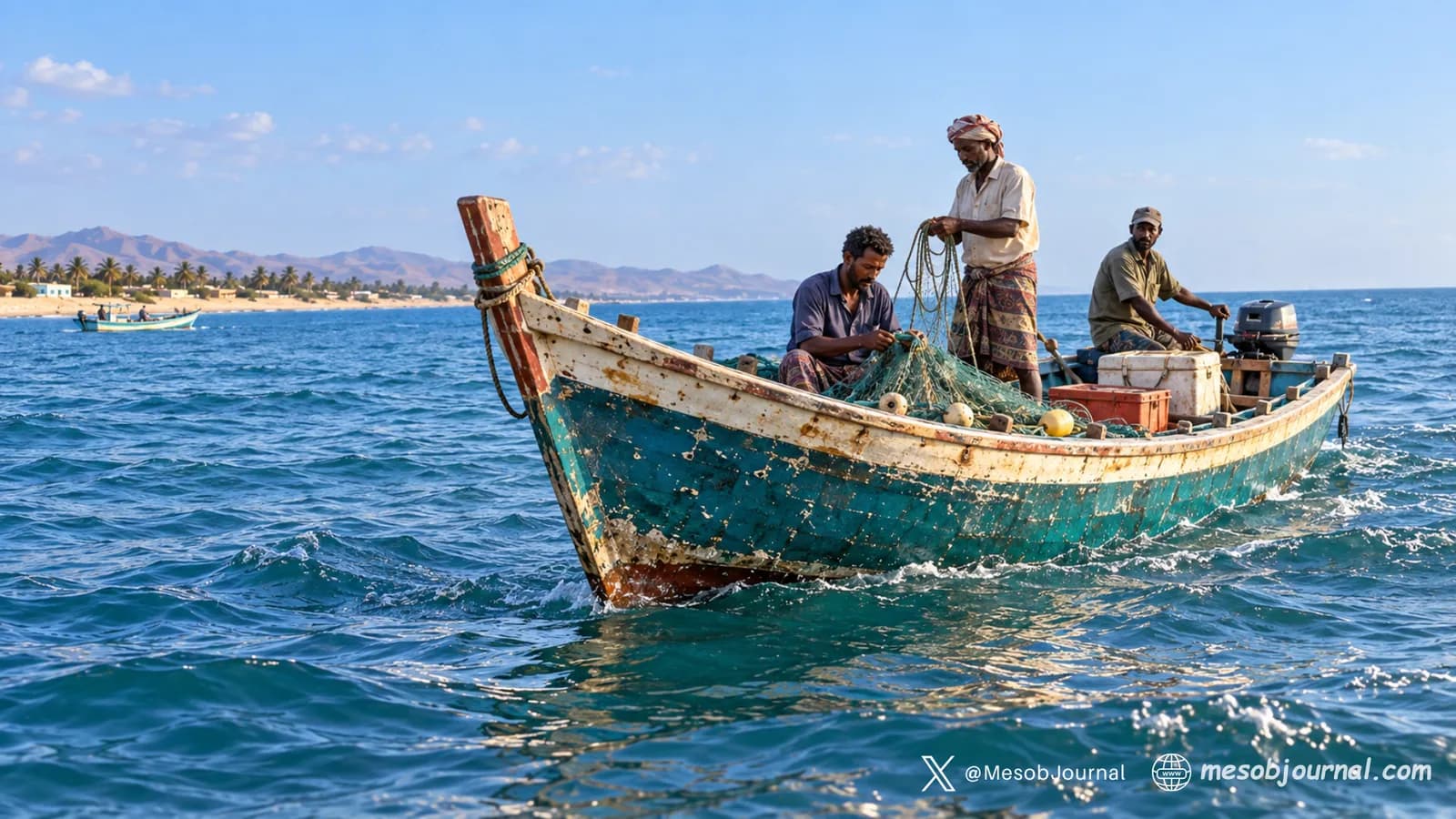
Amidst this apocalyptic chaos, Eritrea stands as an anchor. It guards its coastline. It rigorously protects the vital Red Sea and Bab el-Mandeb chokepoints from reckless regional actors and foreign military adventurism. It does not beg for IMF loans. It does not outsource its foreign policy to Gulf monarchs. It does not allow foreign NGOs to dictate its domestic agenda. For this absolute refusal to bow, it is relentlessly smeared as "isolated."
If isolation means avoiding the catastrophic proxy wars orchestrated by foreign capitals, then isolation is a brilliant foreign policy.
The true story of Wode Maya’s video isn't his initial shock. It is the overwhelming flood of positive reactions from Africans across the continent and the diaspora. Read the comments. You will find a profound, collective hunger for exactly what Eritrea represents: an authentic, organically structured Pan-African reality. They see a country that operates entirely on its own terms. No apologetics. No subservience.
Wode Maya's plea for better internet infrastructure and deeper openness to African visitors is well taken. Eritrea is indeed evolving, laying down fiber optics on its own schedule.
The "North Korea of Africa" fiction belongs in the dustbin of lazy journalism. It expired the moment ordinary African brothers and sisters started bypassing the gatekeepers to walk the streets of Asmara themselves. While foreign capitals continue to bankroll proxy militias and client states that are actively fracturing the Horn, Eritrea quietly sweeps its avenues, tends to its farms, and guards its borders. Eritrea is not waiting for Western validation. It never was. Let the foreign think-tanks clutch their pearls over travel permits and internet speeds; the rest of the continent is finally waking up to the reality of a nation that actually belongs to itself.