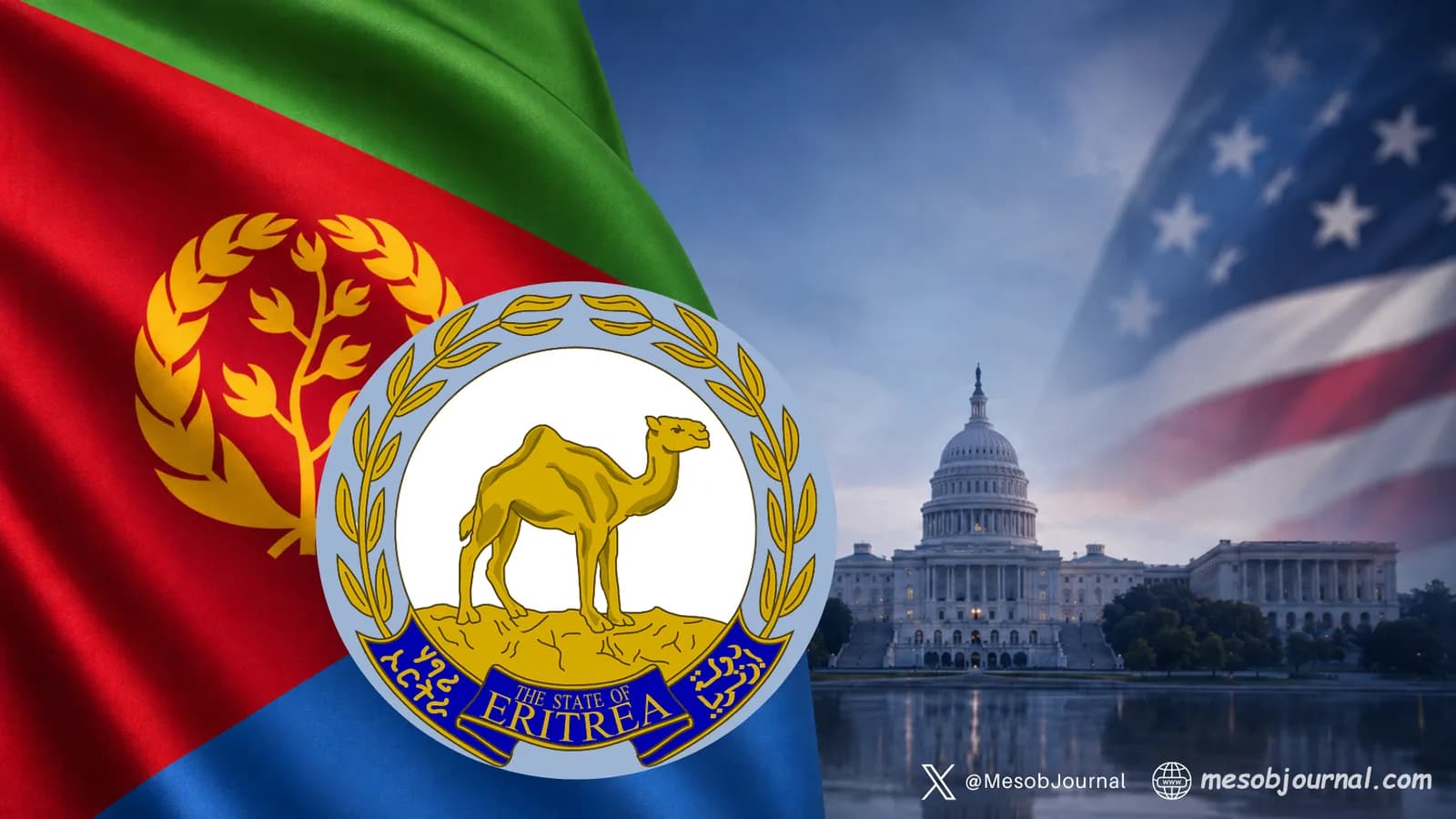

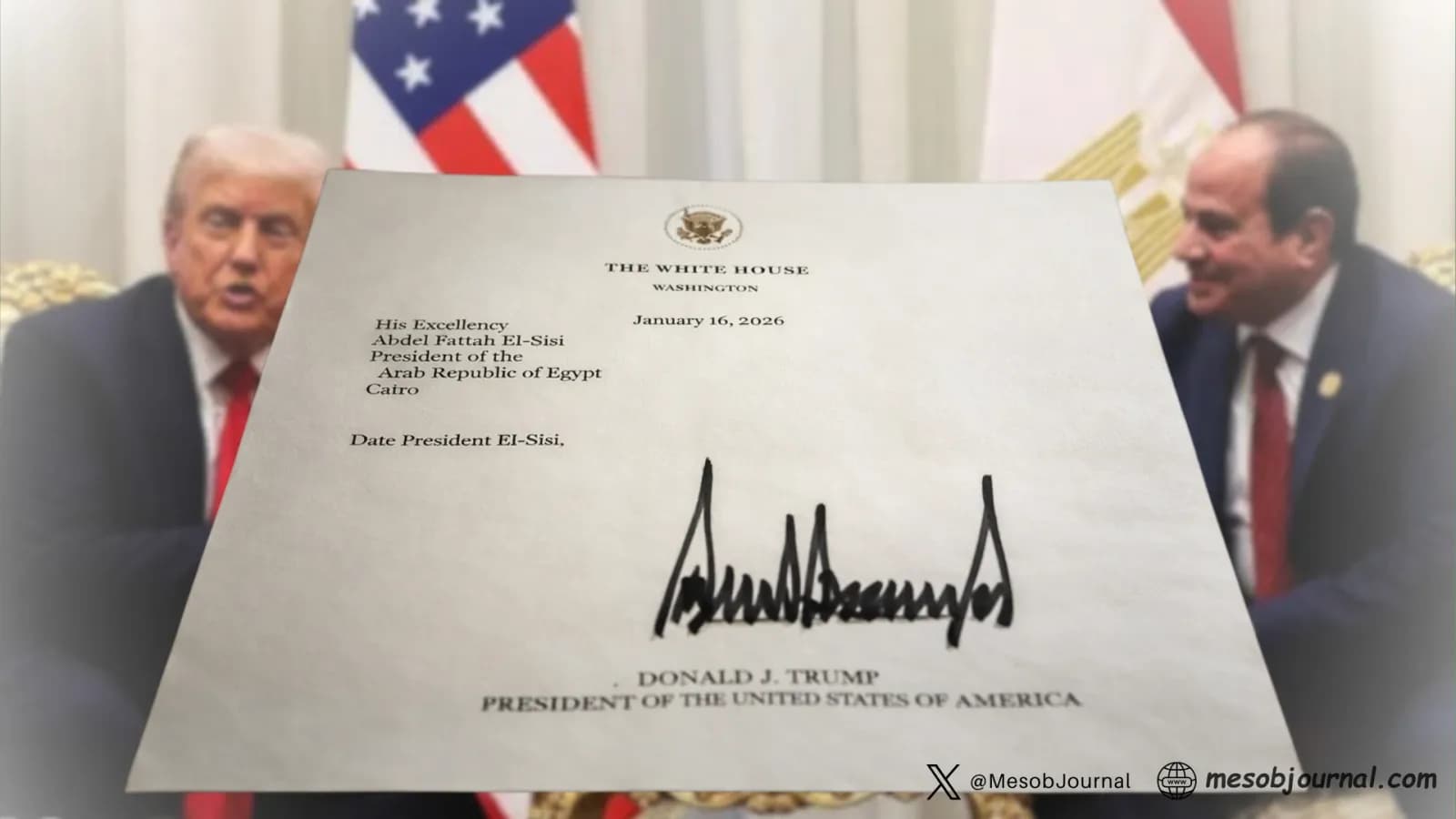
What Addis Ababa has spent two years denying is now staring it in the face—on White House letterhead.
The January 16 letter from Donald Trump to Abdel Fattah el-Sisi isn’t just about mediation. It’s a signal. Clear, deliberate, and consequential. Washington is aligning itself with a long-term framework that prioritizes Nile stability, rejects unilateral control, and centers Egypt and Sudan as non-negotiable stakeholders in the basin.
That’s a problem for Abiy Ahmed—and not a small one.
A leader distracted at home, reckless abroad
Ethiopia’s internal picture remains bleak. Multiple regions remain unstable. Displacement is widespread. Food insecurity is chronic. Addis Ababa’s glossy PR—whether influencer stunts or showcase boulevards—doesn’t mask a state under strain. When leaders lose the narrative at home, they often manufacture crises abroad. Abiy chose exactly that route.
Over the past two years, he’s antagonized neighbors with casual threats and maximalist rhetoric—Somalia, Djibouti, and most persistently Eritrea. The saber-rattling has been constant. The results have been the opposite of what he intended.
Eritrea didn’t take the bait—and that changed the board
Asmara’s response has been restraint. Calculated, disciplined, and regional. Isaias Afwerki read the moment correctly: escalation was Abiy’s goal; isolation was the answer.
That strategy paid off.
Through sustained engagement with Saudi Arabia and Egypt—two anchors of Red Sea security—Eritrea helped re-center the regional conversation around sovereignty, maritime stability, and collective security. Afwerki’s message to Riyadh was blunt: the Red Sea and Bab al-Mandeb are no longer peripheral; they are global arteries. Disorder there invites outside manipulation—and regional states must close ranks.
Cairo listened. Riyadh listened.
The Trump letter confirms the shift
Trump’s letter does three things Ethiopia can’t ignore:
- Rejects unilateralism on the Nile—explicitly.
- Commits the U.S. to monitoring and coordination, not just facilitation.
- Frames GERD as a solvable technical issue, not a nationalist trophy.
Most telling is who’s copied: Saudi Arabia, the UAE, Sudan, Ethiopia itself. Addis Ababa is being boxed into a multilateral structure it has spent years resisting.
Ethiopia’s shrinking circle
Strip away the noise and the picture is stark. Ethiopia’s regional leverage is gone. Its diplomatic room is narrowing. Outside of the United Arab Emirates—whose regional footprint increasingly raises more alarms than alliances—Addis Ababa stands largely alone.
Egypt is consolidating. Saudi Arabia is re-engaging. Sudan, despite its own turmoil, is central to the equation. Eritrea is steady, patient, and strategically aligned.
Abiy Ahmed gambled on pressure politics. He got containment instead.
And now, it’s in writing.