
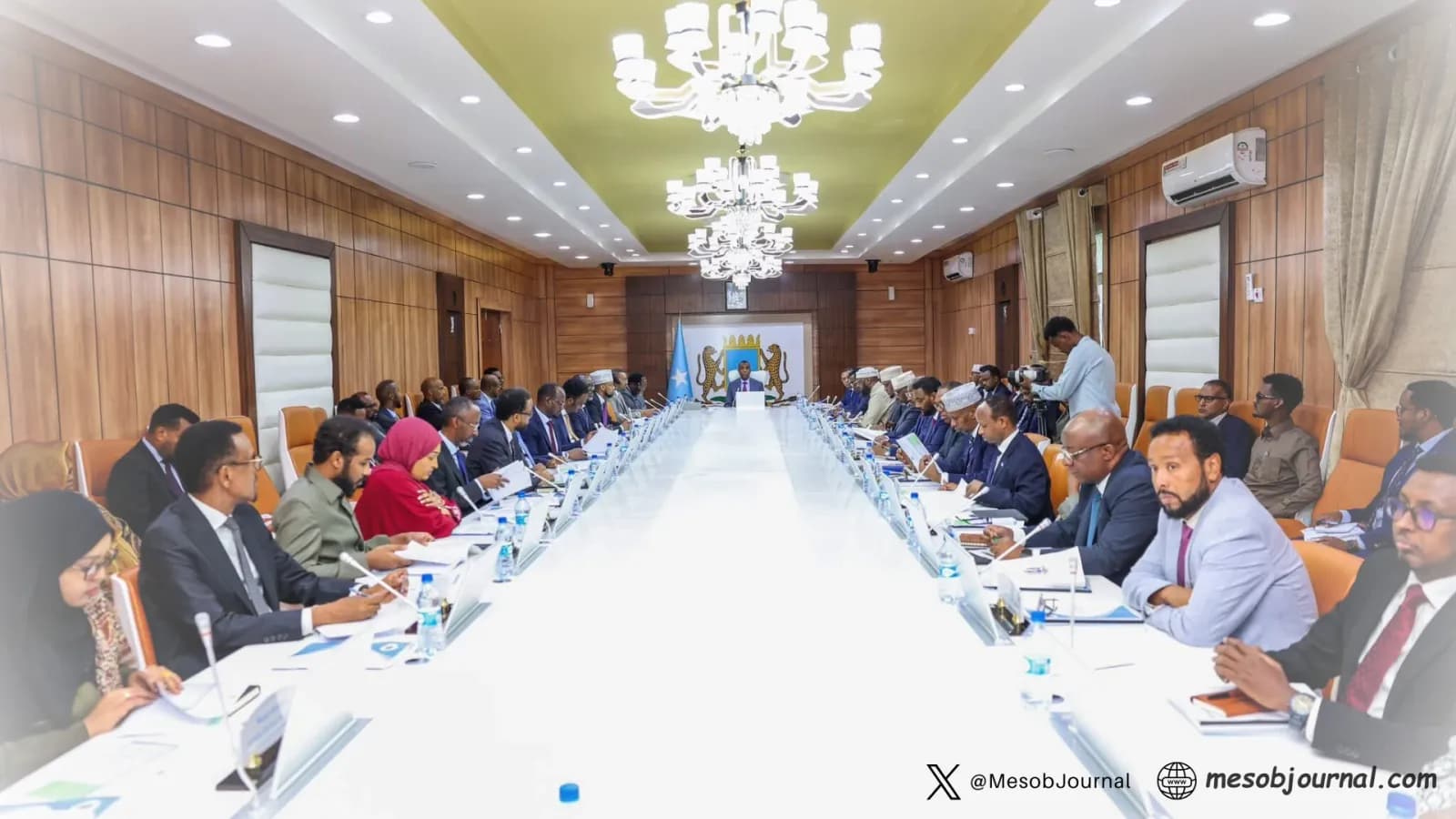
Somalia’s Council of Ministers has formally terminated all bilateral security and defence agreements with the United Arab Emirates, marking one of the most consequential foreign-policy moves taken by the federal government in recent years.
In a cabinet decision adopted on Sunday, the government said it was acting to protect Somalia’s unity, territorial integrity, and constitutional order. The resolution nullifies all existing agreements with the UAE, including arrangements linked to port operations and security cooperation in Berbera, Bosaso, and Kismayo, and instructs the Ministry of Foreign Affairs to notify Abu Dhabi, the African Union, and the United Nations.
Federal officials framed the move as a sovereign reset, arguing that layered and indirect arrangements — often routed through federal member states — had eroded central authority over ports, security, and foreign relations.
“This is not a procedural step,” a senior Somali official said privately. “It’s a line being drawn.”
Somaliland and Puntland reject Mogadishu’s authority
The decision was immediately rejected by both Somaliland and Puntland, deepening Somalia’s long-running internal fault lines.
In Hargeisa, Somaliland’s government dismissed Mogadishu’s move as legally irrelevant. Khadar Hussein Abdi, Somaliland’s Minister of the Presidency, said UAE operations in Berbera would continue uninterrupted, describing Abu Dhabi as a “trusted friend” that invested when others stayed away.
“Somalia’s daydreaming changes nothing,” Abdi wrote on X. “We stand by our friends.”
Puntland issued a similar response, citing the federal constitution and regional statutes to argue that Mogadishu lacks the authority to unilaterally cancel agreements tied to Bosaso port and related security projects. Garowe accused the federal government of overreach and warned against destabilising existing arrangements.
The split underscores Somalia’s fragmented governance landscape, where ports and security partnerships have long operated at the intersection of federal weakness and regional autonomy.
A broader regional pattern
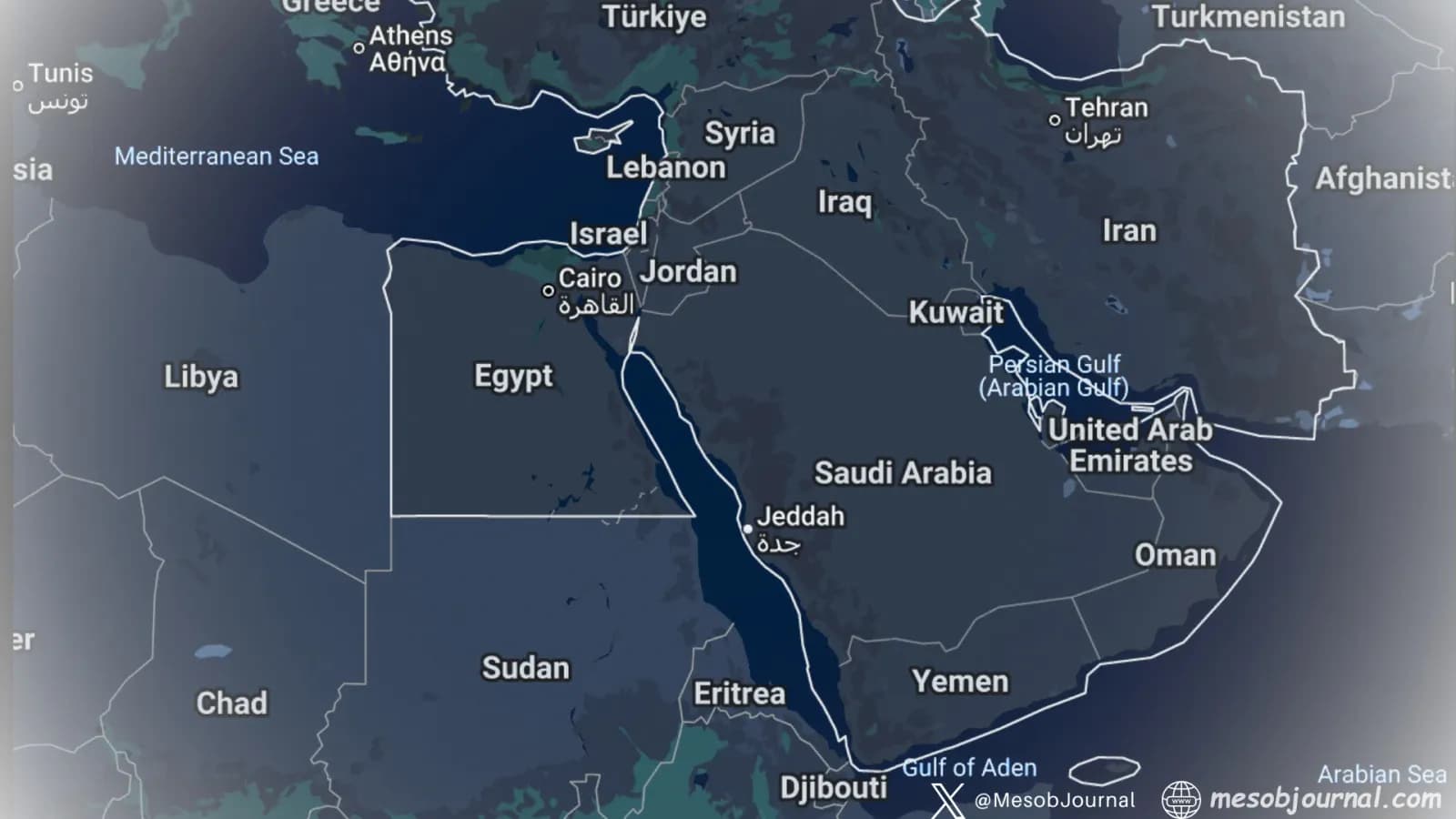
Somalia’s decision places it alongside Eritrea and Sudan, both of which have previously expelled or curtailed UAE military and security involvement. Djibouti remains the exception, maintaining formal state-to-state ties with Abu Dhabi.
Across the region, critics argue the UAE has increasingly pursued influence through non-state actors, local power brokers, and parallel security structures rather than transparent bilateral frameworks — a model that has generated backlash as states reassert control.
In Yemen, Abu Dhabi’s influence has also receded, with Saudi Arabia consolidating its position after years of divergent approaches inside the coalition. Regional analysts say that shift is now rippling across the Red Sea corridor.
Signals from Riyadh
Against that backdrop, reports circulating in Mogadishu suggest Somalia and Saudi Arabia are close to concluding new security and defence agreements — a development that would mark a significant realignment in the Horn of Africa. While neither side has confirmed the talks, multiple Somali sources describe them as advanced.
If formalised, such a deal would further underline a move away from informal, proxy-driven arrangements toward clearer state-to-state security partnerships anchored in Riyadh rather than Abu Dhabi.
What comes next
Somalia’s move is neither symbolic nor impulsive. It follows a long record of Emirati actions that Mogadishu says violated Somali sovereignty, bypassed federal institutions, and entrenched parallel security and port arrangements outside constitutional control. By formally revoking those agreements, the federal government is asserting a right long deferred: exclusive authority over foreign security partnerships and strategic infrastructure.
The regional implications extend beyond Somalia. Pushback against the UAE’s proxy-heavy approach — marked by engagement with non-state militias, opaque security networks, and minimal accountability — is increasingly visible across the Horn of Africa and the Red Sea basin. Eritrea drew its red line years ago. Sudan followed amid war and destabilization. Somalia is now enforcing its own.
For a region grappling with fragile states, active conflicts, and civilian suffering, the backlash carries broader significance. Stability hinges on state-to-state cooperation, not informal power projection through armed intermediaries. The rejection of such models, officials argue, strengthens regional security rather than weakens it.
Whether Abu Dhabi recalibrates or doubles down remains to be seen. But the message from the Horn is sharpening: external actors that undermine sovereignty and disregard civilian lives will face resistance — not accommodation.