
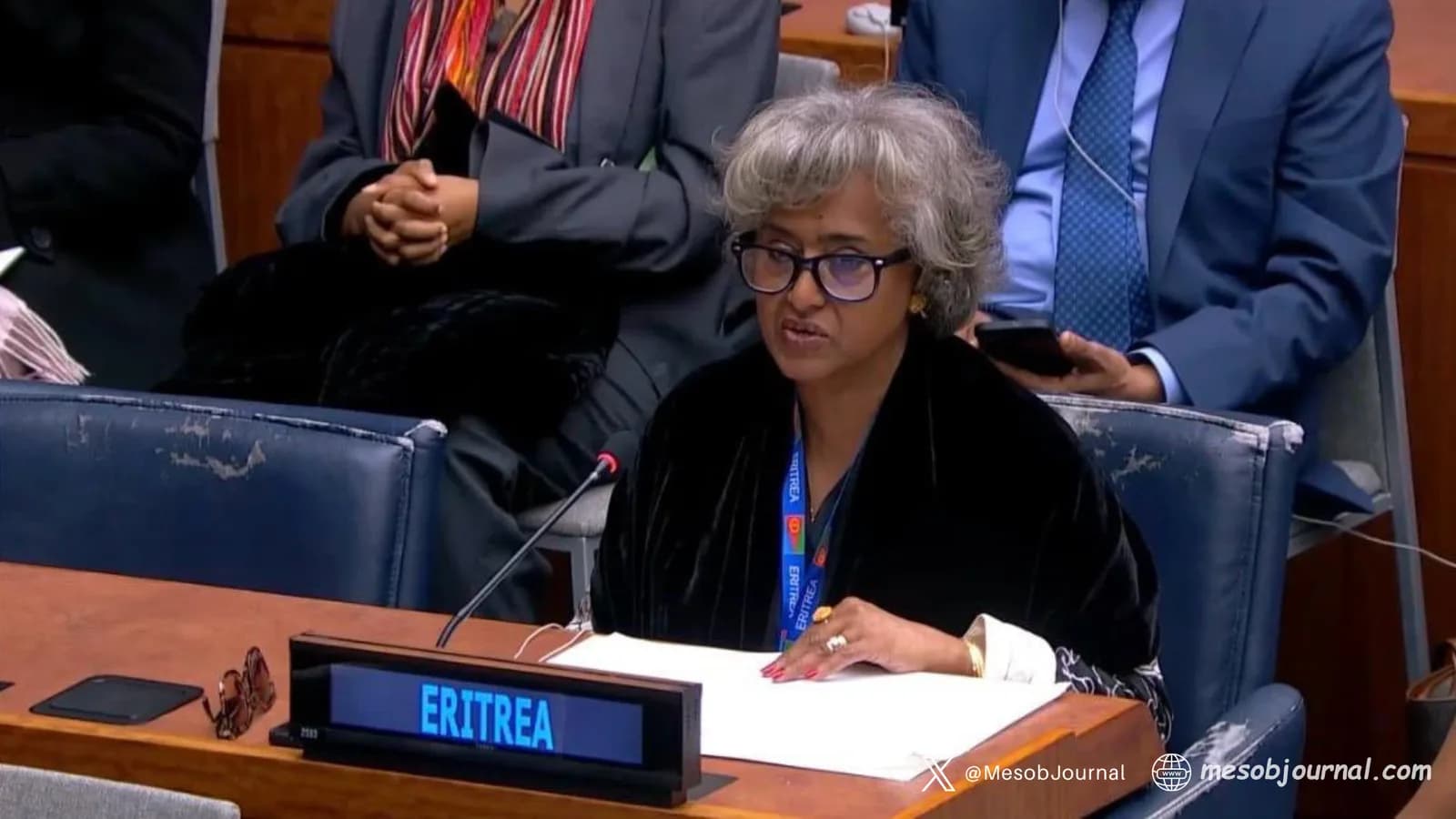
Eritrea has been elected to the United Nations Economic and Social Council for a three-year term beginning on January 1, 2027, adding another visible diplomatic role for the country within the UN system.
The UN General Assembly elected 18 members to ECOSOC, including Angola, Bolivia, Brazil, Eritrea, France, Germany, Guatemala, Guinea, Ireland, Malaysia, Maldives, Morocco, North Macedonia, Portugal, Republic of Korea, Senegal and the United Kingdom.
ECOSOC is one of the six main organs of the United Nations. It has 54 members, with the General Assembly electing 18 members each year for three-year terms. The council’s work covers economic and social development, sustainable development, policy coordination and cooperation across the UN system.
For Eritrea, the vote places the country inside a key multilateral body where development priorities, social policy, environmental questions and international cooperation are debated. The seat will run through the 2027–2029 term.
The ECOSOC election follows Eritrea’s recent selection as one of the Vice-Presidents of the United Nations General Assembly’s 81st Session, which opens in September 2026 and runs through the 2026–2027 diplomatic cycle.
That role places Eritrea within the Assembly’s leadership bureau, where vice-presidents help support the work of the General Assembly and may preside over meetings when assigned by the Assembly president.
Taken together, the two elections mark a notable period of diplomatic visibility for Eritrea inside the UN system. They also place the country in two important multilateral spaces at once: the General Assembly, where sovereign equality among states remains central, and ECOSOC, where development, sustainability and international cooperation are shaped.
ECOSOC plays a central role in the UN’s development architecture. It works with UN agencies, commissions and forums on issues ranging from poverty reduction and financing for development to education, health, climate, gender equality and social inclusion.
Eritrea’s election comes at a time when developing countries continue to call for a more balanced global system, greater respect for national sovereignty and stronger attention to the development priorities of smaller states.
For Asmara, the seat offers a platform to engage global development debates directly, strengthen diplomatic participation and contribute to multilateral cooperation from the perspective of a sovereign developing state.