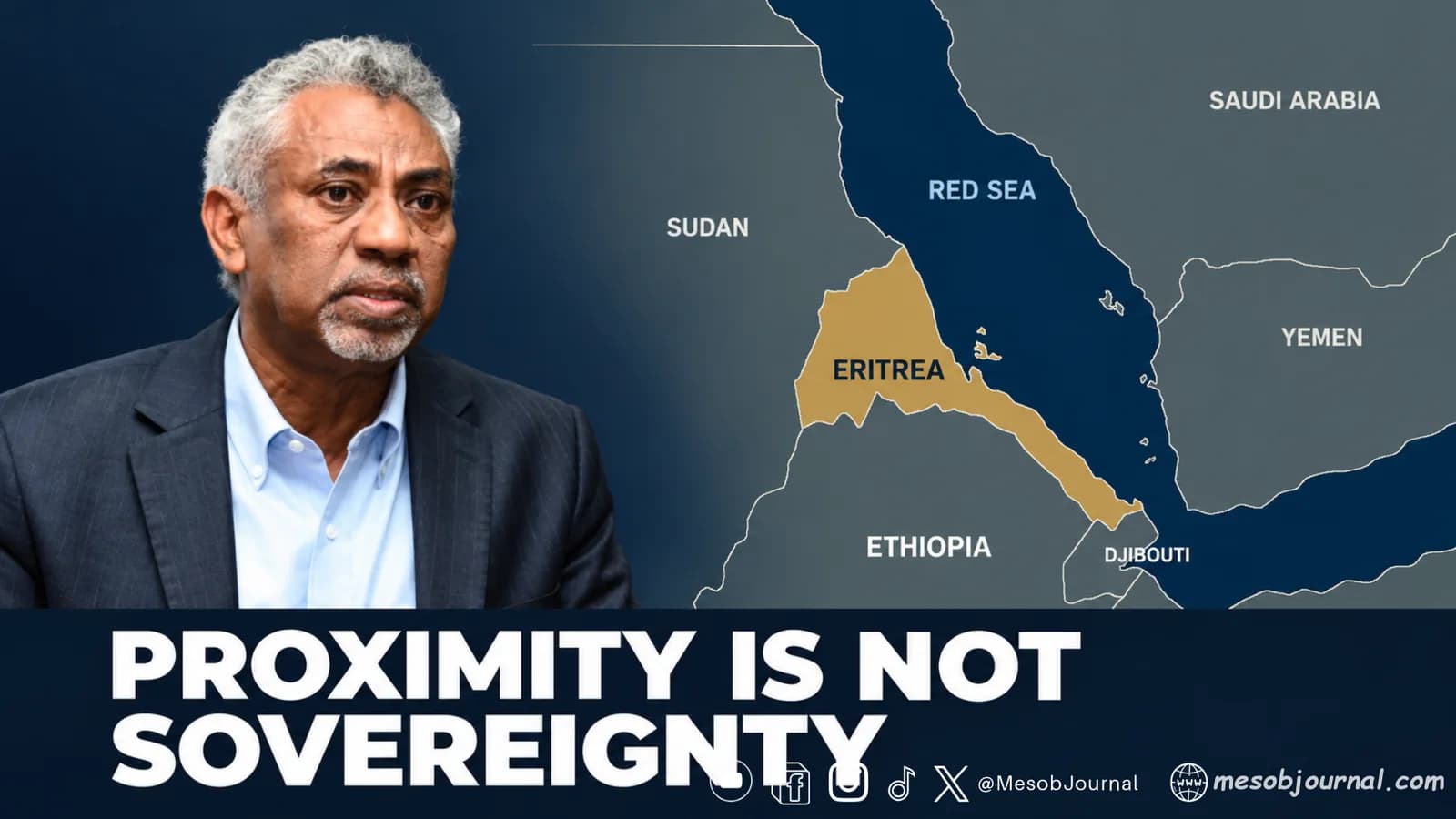


Abiy Ahmed’s latest parliamentary speech is not mere political theater — it is a dangerous escalation. His invocation of demographic conquest, his demand for Port of Assab, and his imperial posturing are not just offensive, they are destabilizing.
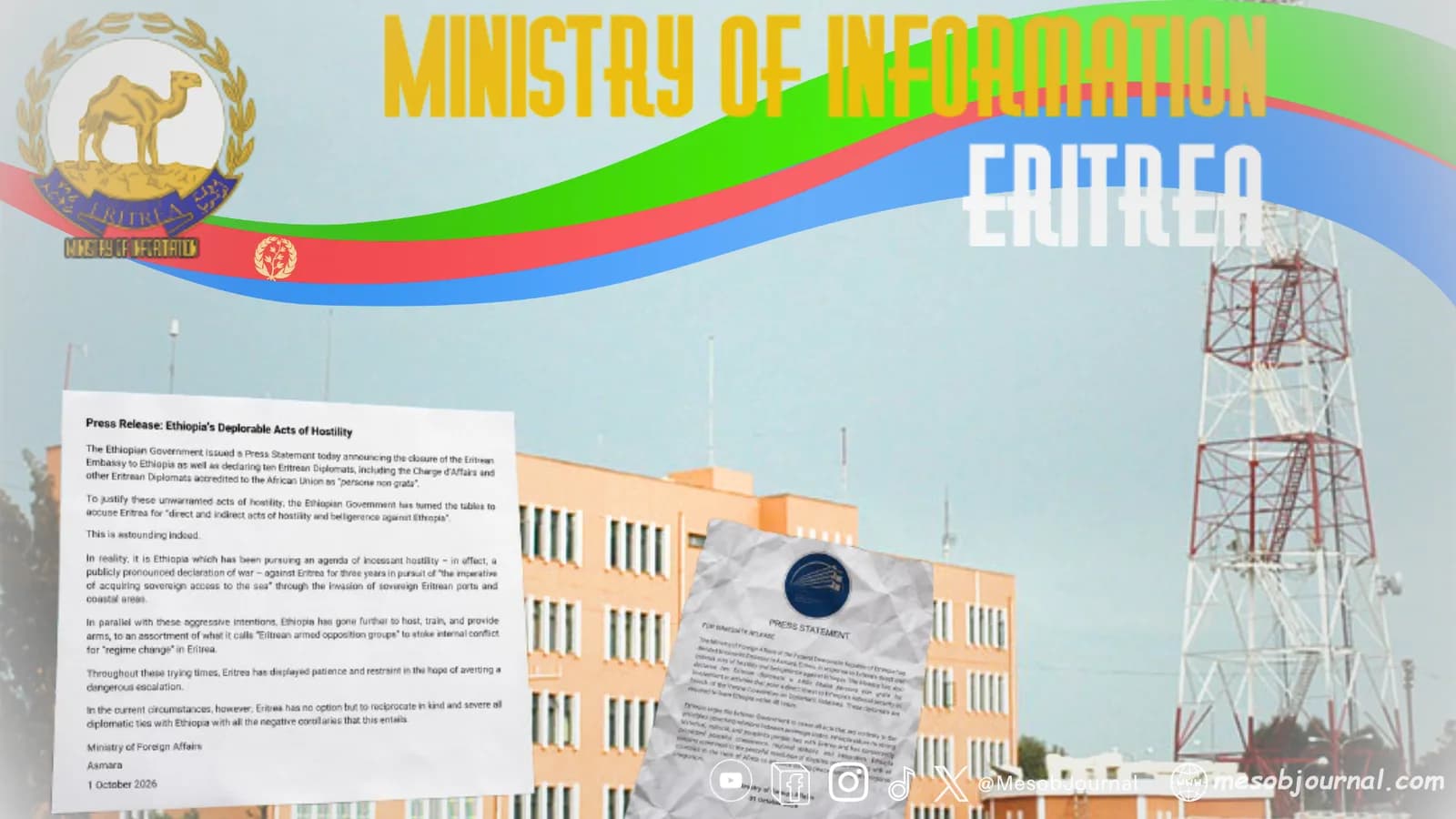
This is not diplomacy. It is a declaration of intent to violate international borders and erase hard-won sovereignty.
To speak of Eritrea as “sparsely populated” and therefore ripe for absorption is genocidal logic dressed in nationalist bravado. It echoes the darkest chapters of colonial expansion, where land was measured not by law or justice, but by the imagined entitlement of empire.
Eritrea: Sovereignty Forged in Fire
Eritrea is not a province. It is not a bargaining chip. It is a nation forged through decades of resistance, sacrifice, and unyielding dignity. Every inch of its territory — every port, every village, every mountain — carries the memory of those who refused to be erased.
Port Assab is not up for negotiation. It is not Ethiopia’s to dream about, threaten, or “reclaim.” It belongs to Eritrea, and any attempt to seize it would be met with fierce resistance — not just from Eritreans, but from all Red Sea countries and from history itself.
Madness in the Halls of Power
Abiy’s self-styling as the “7th king” is not visionary — it is delusional. His speech reveals a man intoxicated by myth, not guided by reason. He stands naked before the world, stripped of legitimacy, truth, and strategic clarity.
His hallucinations about birth rates and territorial expansion are not policy — they are symptoms of a collapsing political project.
The Prosperity Party (PP) is not building a future; it is grasping at fantasies. And Eritrea will not be dragged into their fever dream.
History Has Already Spoken
History has judged those who mistake arrogance for destiny. From Mussolini to Mengistu, the Horn of Africa has buried many who tried to redraw its map with blood and bluster.
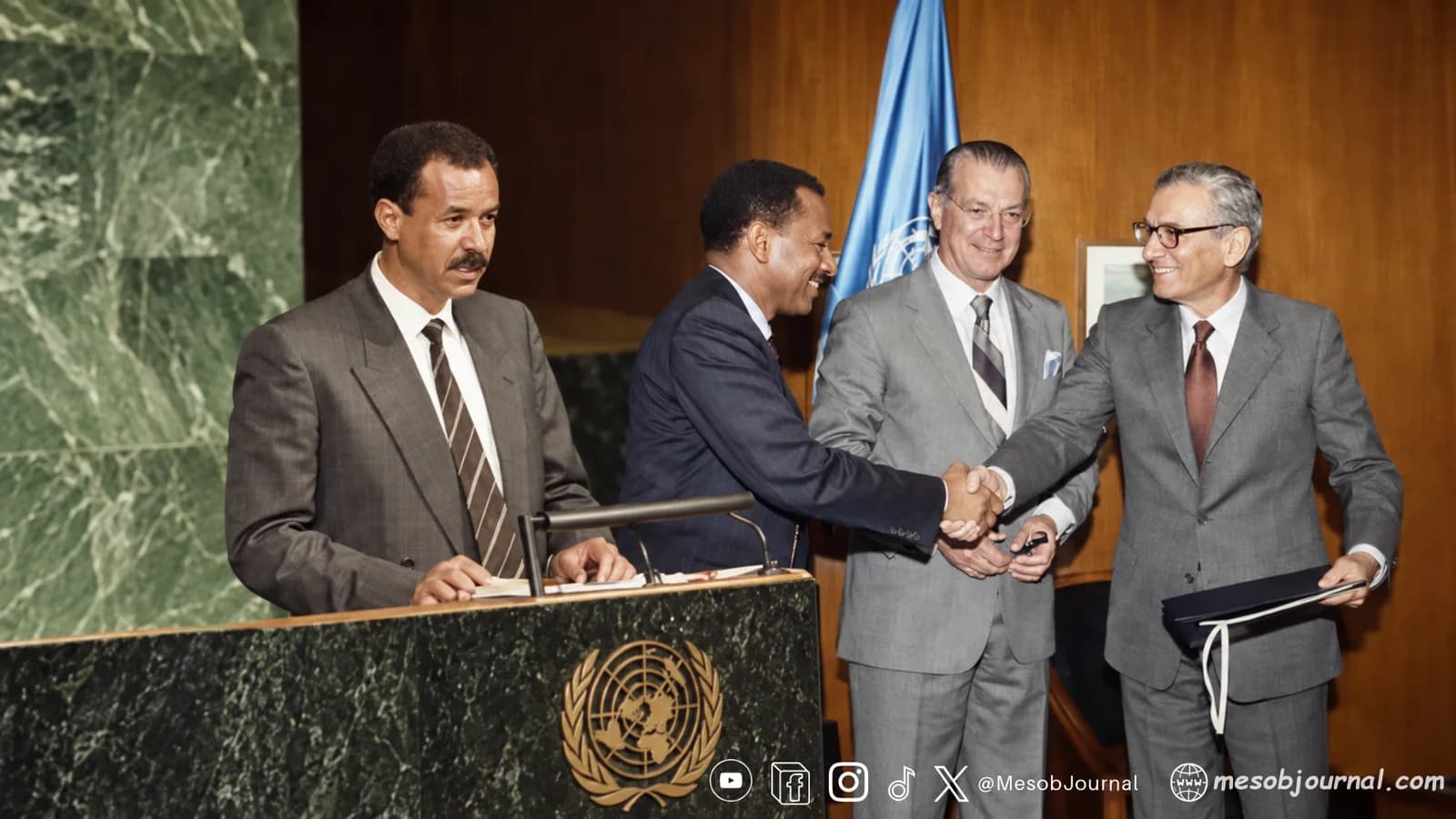
Eritrea’s liberation was not a gift — it was earned. And it will not be undone by parliamentary tantrums or demographic threats.
A Call to Eritreans and Allies
This moment demands vigilance, unity, and principled defiance. Eritreans and their allies must:
- Expose the lies: Counter Abiy’s revisionism with historical facts and legal truths.
- Amplify Eritrean sovereignty and territorial integrity.
Eritreans — at home and abroad — are prepared for all scenarios. Political madness often precedes military miscalculation. Eritrea will remain vigilant.
Eritrea’s independence is not a footnote in someone else’s mythology — it is a hard-won reality, rooted in truth, dignity, and international law.