

Society · Sudan
Khartoum comes back to life as curfew ends
Published
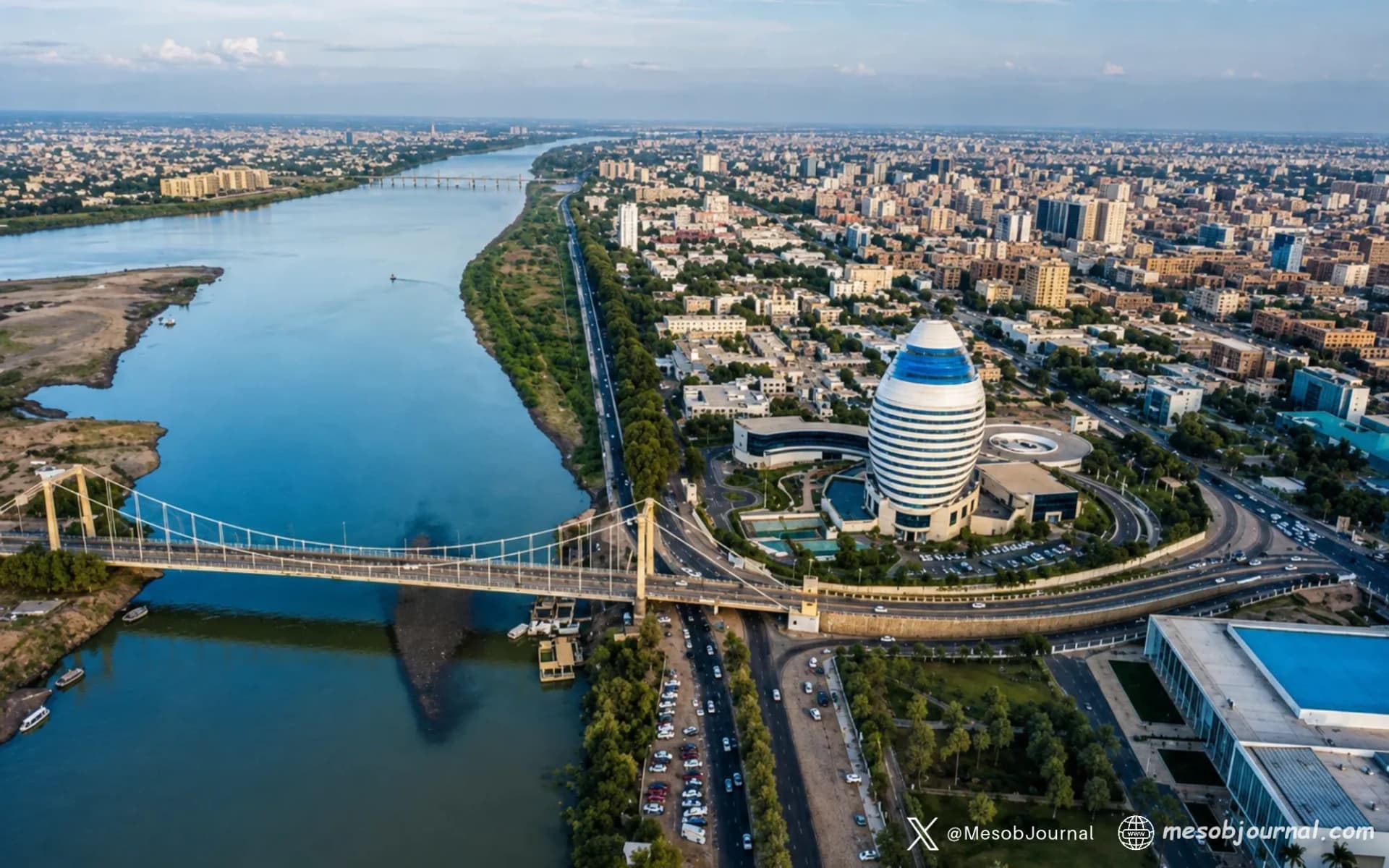
Khartoum has ended its nighttime curfew, opening the way for longer trading hours as residents return and Sudan’s capital rebuilds services and public institutions.
Khartoum lifted its nighttime curfew on 27 August, allowing residents to move and work at all hours as daily life returns to Sudan’s capital. The state security committee’s decision opens the way for longer trading hours, although patrols and checkpoints will remain.
Shops are reopening and residents are returning after the Sudanese army regained the capital from the Rapid Support Forces in 2025. The government’s return from Port Sudan, announced by Prime Minister Kamil Idris on 11 January, brought public administration back to a city whose ministries and commercial districts had been disrupted by war.
Restoring essential services is central to that recovery. UNICEF reports water infrastructure repairs in Khartoum, while the World Food Programme announced plans in April to move its country office back following the resumption of humanitarian flights in February.
The recovery remains incomplete. Repairs to homes and infrastructure must contend with unexploded ordnance, which UN mine-action teams identify as a continuing threat to returning families. Fighting and displacement elsewhere in Sudan continue even as the capital resumes more of its ordinary routines.
More News Briefs
View all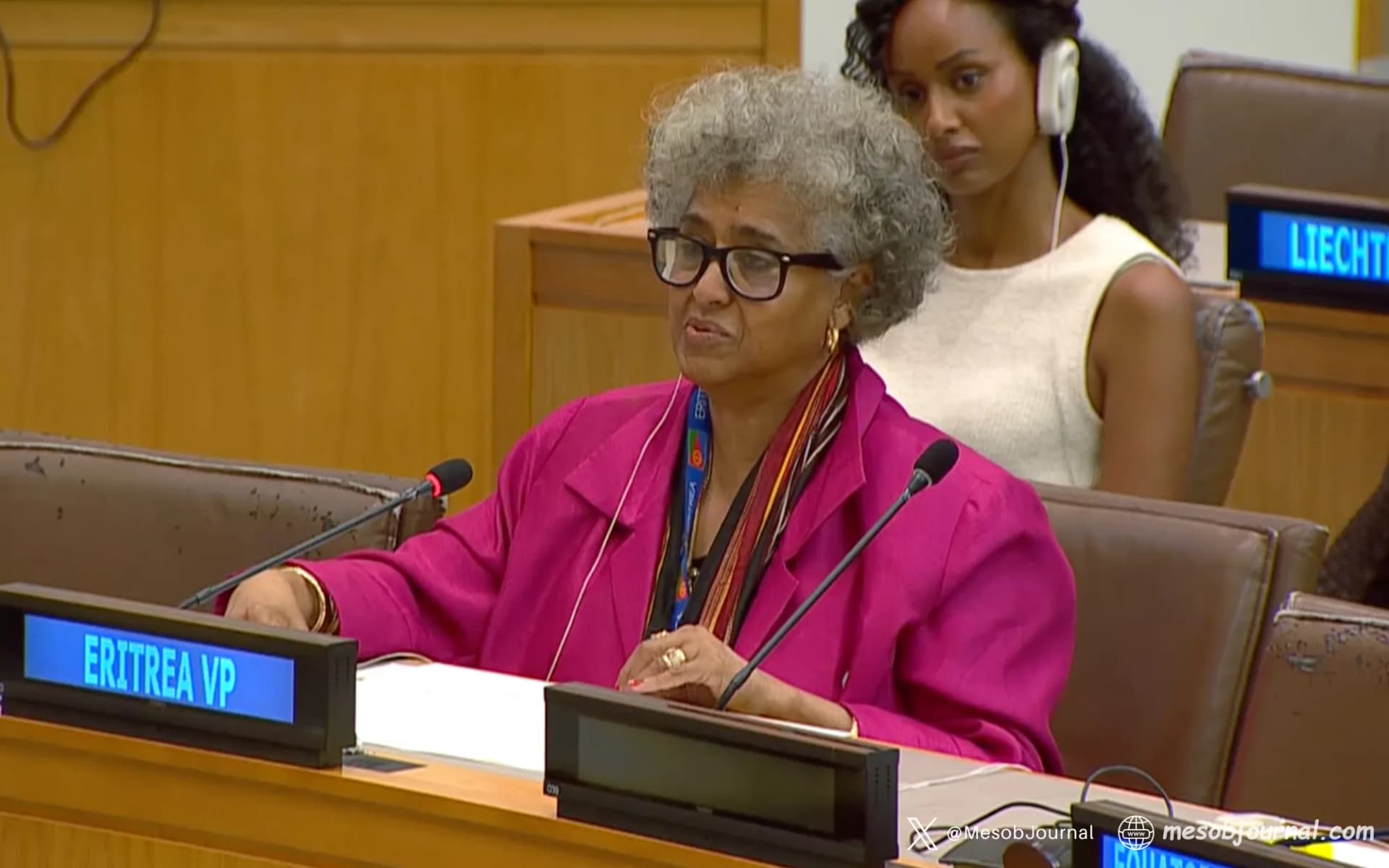
Society · Eritrea
Eritrea welcomes UNICEF programme, recalls Zero School legacy
At UNICEF's Executive Board in New York, Eritrea highlighted preschool expansion and linked its new country programme to the Zero School's 50th anniversary.
Society · Not applicable
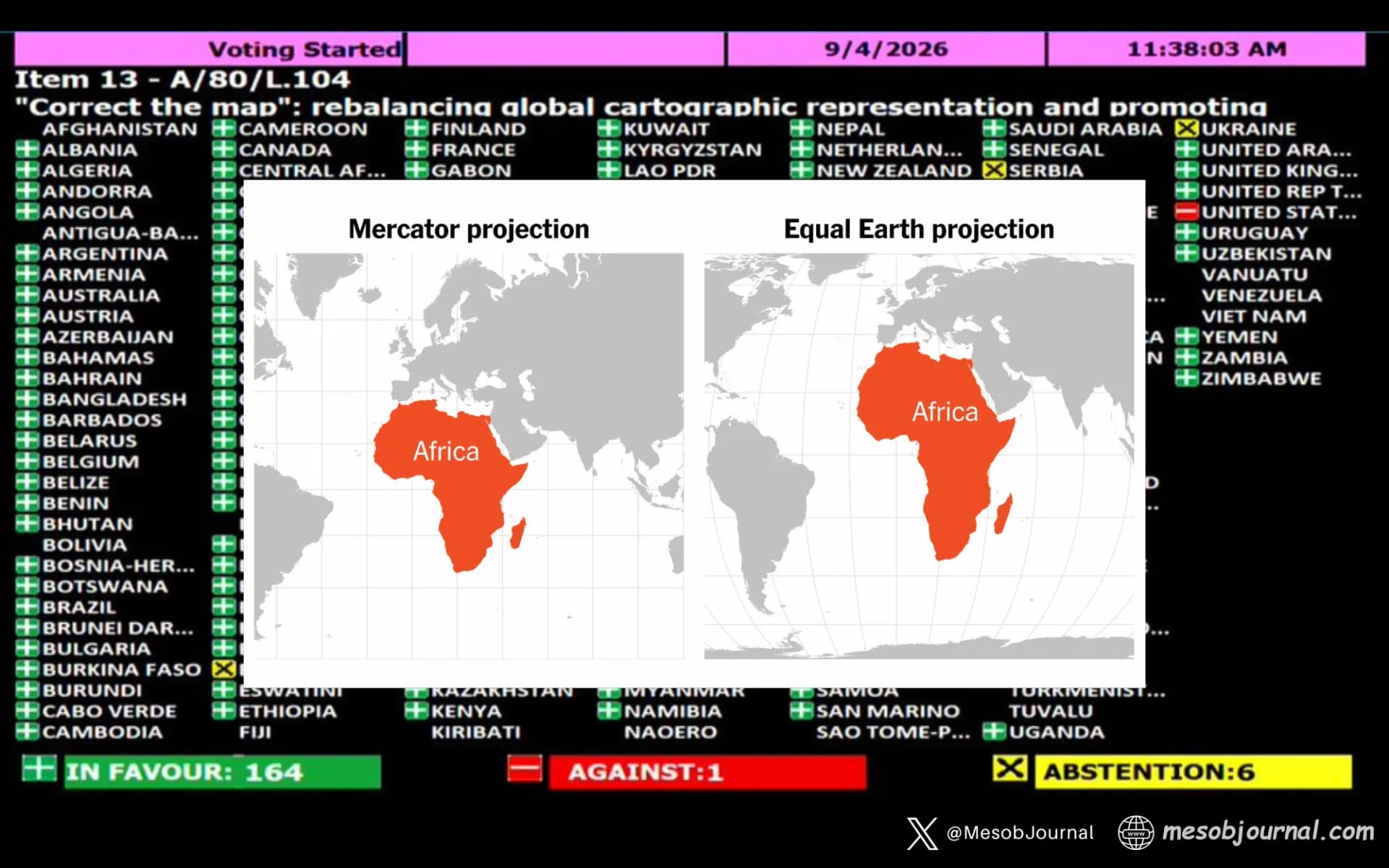
UN backs African campaign for fairer world map
The General Assembly has endorsed an African-led call for maps that preserve countries’ relative areas, giving global support to the Equal Earth projection.
Society · Eritrea
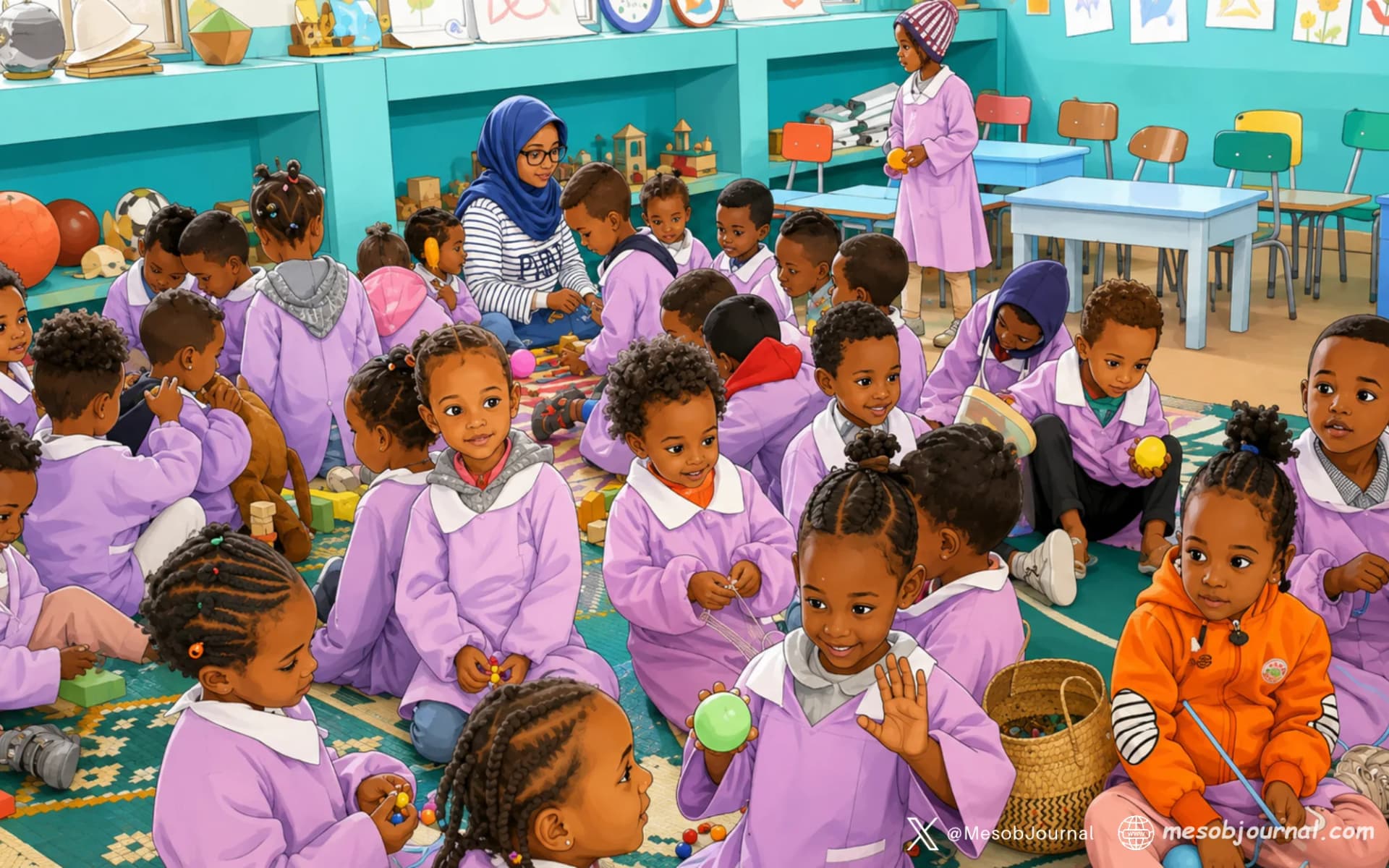
Eritrea says preschool network more than doubles nationwide
Official figures show Eritrea's preschool network grew from 828 facilities to 2,004 during the 2025/2026 academic year, alongside a sharp rise in enrolment.