
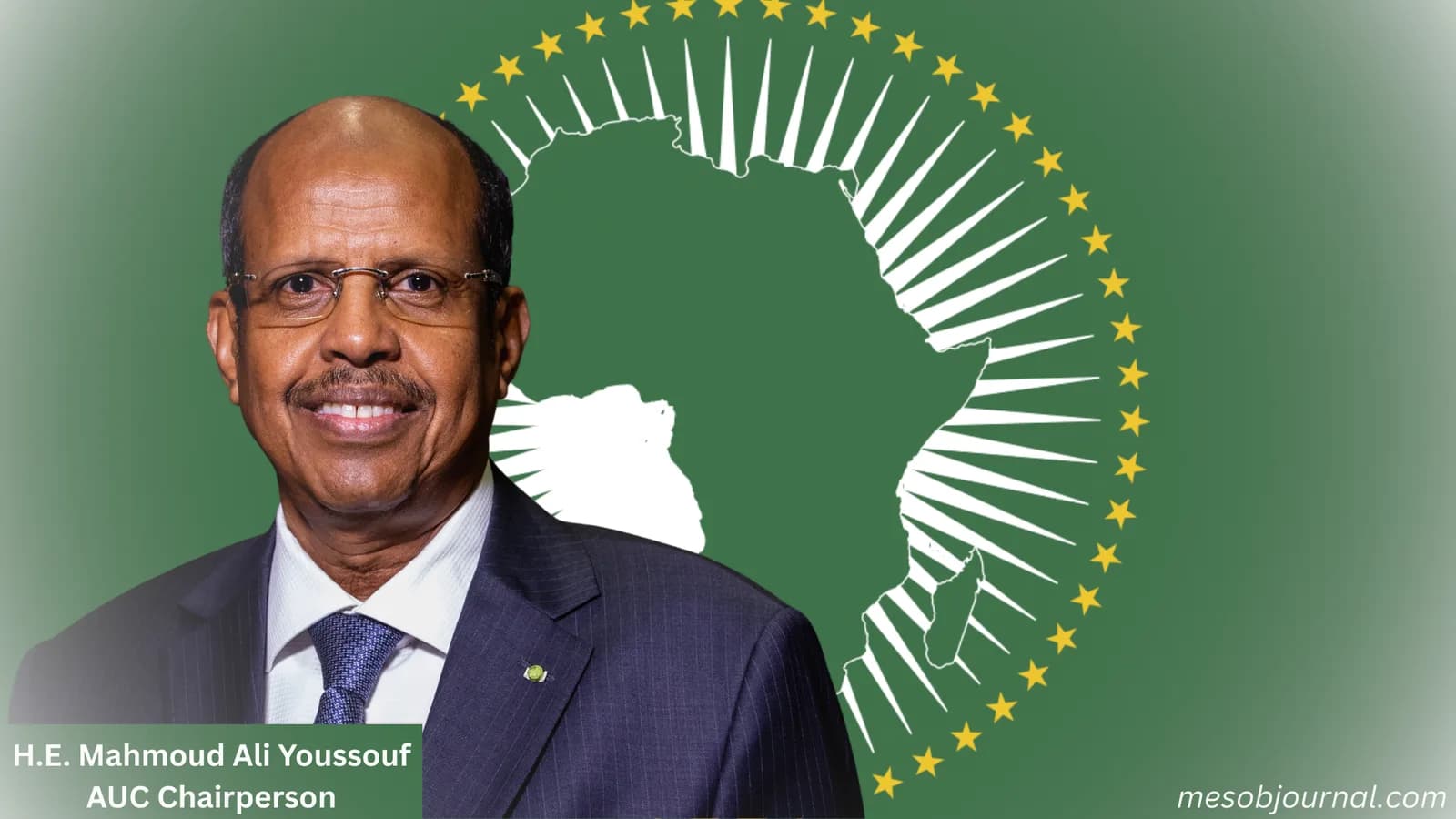
In a message that marks a rare and powerful shift in tone, the African Union has formally extended heartfelt congratulations to Eritrea on the occasion of its 34th Independence Day. The message, issued by H.E. Mahmoud Ali Youssouf, Chairperson of the African Union Commission, praised Eritrea’s unbreakable spirit and its decades-long stand for dignity, justice, and true sovereignty.
For observers across the continent and beyond, this is more than a ceremonial note - it is a long-overdue recognition of a nation that has walked a lonely and often perilous path, refusing to bend to external pressure or surrender its hard-won autonomy.
A Nation That Stood Alone
Since reclaiming its independence in 1991, Eritrea has charted a course unlike any other African nation. It resisted donor dependency and kicked out USAID, choosing instead to build its institutions through homegrown policies anchored in national ownership.
This independent course - combined with Eritrea’s refusal to bow to external dictates or participate in global power games - made it a target of relentless disinformation campaigns, geopolitical hostility, and some of the harshest and most unjustified sanctions ever imposed on an African nation.
These politically motivated sanctions, rooted in unfounded narratives, were not just economic tools - they were attempts to stifle a nation that dared to think independently.
Throughout it all, Eritrea endured.
It endured despite hostile propaganda. It endured despite regional destabilization efforts. And most notably, it endured while the African Union - an institution created to defend the sovereignty and integrity of its member states - stood largely silent.
Until now.
A New Tone From The Africa Union
The African Union’s statement this year is more than symbolic. It acknowledges not only the endurance and courage of the Eritrean people but also the moral clarity of their struggle. “This historic day… is a powerful testament to the resilience, courage, and unwavering spirit of its people,” reads the AU’s message. It recognizes Eritrea as an inspiration to the continent and affirms solidarity in the pursuit of “peace, sustainable development, prosperity, and continental integration.”
This tone matters. For a country that has been misrepresented, knowngliy misunderstood, and often maligned, such recognition from Africa’s highest political body carries real significance.
Patience, Principle, and Perseverance
Eritrea’s journey has not been one of convenience or comfort. It has been a principled march toward a vision of African self-reliance - painstakingly built, quietly defended, and proudly held.
The country’s resilience is not just about surviving sanctions or withstanding regional isolation. It’s about choosing a path rooted in sovereignty and rejecting models of governance that have fractured neighboring states. It’s about investing in social cohesion over ethnic fragmentation. And it’s about insisting, even in the darkest hours, that Eritrea’s story will be written by Eritreans.
Congratulations to a Stalwart Nation
On this 34th anniversary of independence, we salute the people of Eritrea - not just for winning their liberation, but for safeguarding it with rare patience and unshakable resolve.
Africa needs nations like Eritrea: nations that challenge the status quo, that offer alternative models of development, and that remind us all that true independence is more than a flag and anthem - it’s the freedom to choose your own path, however difficult it may be.
Today, the African Union finally said it out loud: Eritrea is a pioneer.
And for that, we say—Congratulations, Eritrea. Your endurance is not just your own. It is Africa’s silent pride, now beginning to speak.