
Diplomacy · Eritrea
Eritrea tells G77 national ownership must guide UN reform
Published
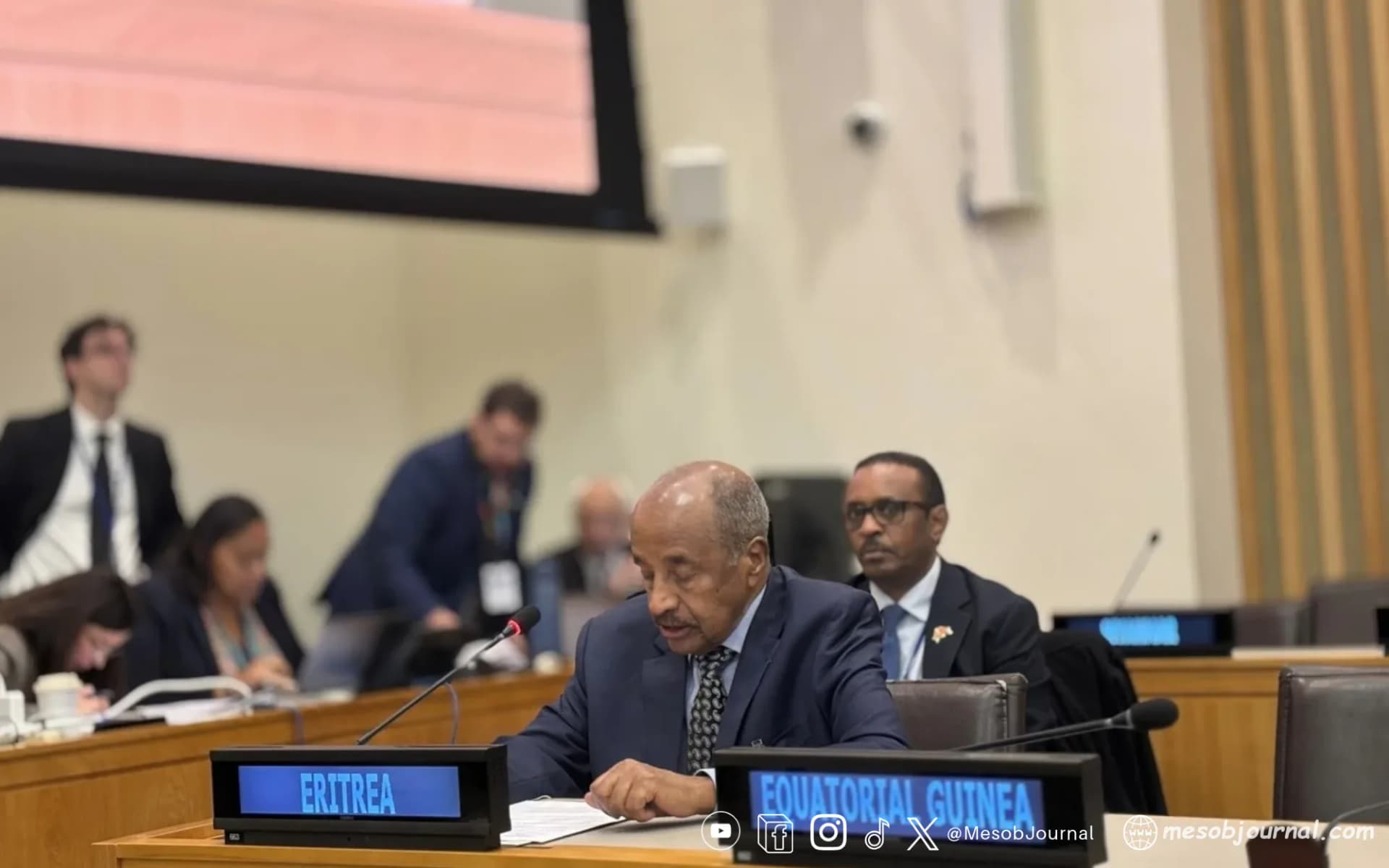
Foreign Minister Osman Saleh told the Group of 77 and China that national sovereignty and Member-State authority must stay at the centre of UN reform, and called for the Global South to have greater influence over changes to the multilateral system.
NEW YORK — Eritrean Foreign Minister Osman Saleh has called for national sovereignty, ownership and Member-State authority to remain at the center of United Nations reform, telling the Group of 77 and China that developing countries should have a stronger role in shaping the future of the multilateral system.
Speaking at the 50th Annual Meeting of Ministers for Foreign Affairs of the Group of 77 and China in New York, Osman said Eritrea supports efforts to make the UN more effective but stressed that proposed structural changes must remain responsive to national priorities and leadership.
The ministerial meeting was held on September 25 on the sidelines of the 81st session of the UN General Assembly. The G77's official schedule lists it as the group's 50th annual foreign ministers' meeting.
According to the statement published by Eritrea's Ministry of Information on Saturday, Osman addressed proposals under the UN80 reform initiative, including possible institutional mergers, the reconfiguration of UN country teams, changes to the Resident Coordinator system and adjustments to the UN's regional architecture.
Eritrea's position, he said, is that such changes must be anchored in national priorities, leadership and ownership rather than creating structures that weaken the authority of individual states over their development agendas.
That principle is also formally reflected in parts of the UN80 process. The United Nations says its country-team reconfiguration is intended to make UN operations more responsive to national needs and priorities, while its broader reform framework describes Member States as being “in the driver's seat” of the process.
The UN80 initiative includes proposals to reduce fragmentation across the organization, restructure country-level operations, reconsider regional arrangements and examine potential mergers between UN entities. The initiative also seeks to strengthen the Resident Coordinator system and make expertise from across the UN more readily available to governments.
Osman also placed Eritrea's position within a wider argument about the role of developing countries in global governance, calling for the Global South to exercise greater influence over changes to the international system.
The G77 and China represents the largest grouping of developing states at the United Nations and has traditionally coordinated positions on development, international economic policy and reform of multilateral institutions.
For Eritrea, the discussion was also tied to its longstanding emphasis on sovereignty and independent policymaking.
Osman said Eritrea remained prepared to defend its “independence, sovereignty and territorial integrity” despite what he described as continuing external hostilities and threats.
The language is consistent with positions Eritrea has advanced at other UNGA81 meetings this week.
At a September 23 high-level meeting marking the 40th anniversary of the UN Declaration on the Right to Development, Osman called for respect for the right of states to choose their own political and development policies and for reforms to international financial and economic institutions that give developing countries greater representation.
Eritrea has similarly argued that international partnerships should reinforce national systems rather than replace national decision-making. Speaking at the launch of the State of Africa's Children 2026 report in New York this week, Osman said development cooperation was most effective when it respected national priorities and strengthened nationally owned institutions.
The position gives Eritrea's participation in the G77 meeting a broader significance than institutional reform alone.
As the United Nations weighs changes intended to reduce duplication and improve efficiency, the debate also concerns how much authority should remain with Member States and how developing countries influence the institutions operating within their borders.
The UN has itself said that established decision-making procedures and Member-State authority must be respected as the UN80 process advances.
For Eritrea, that principle appears central to its message in New York: reform of the multilateral system may be necessary, but it should strengthen rather than diminish the ability of states — particularly those of the Global South — to determine their own national priorities.
More News Briefs
View all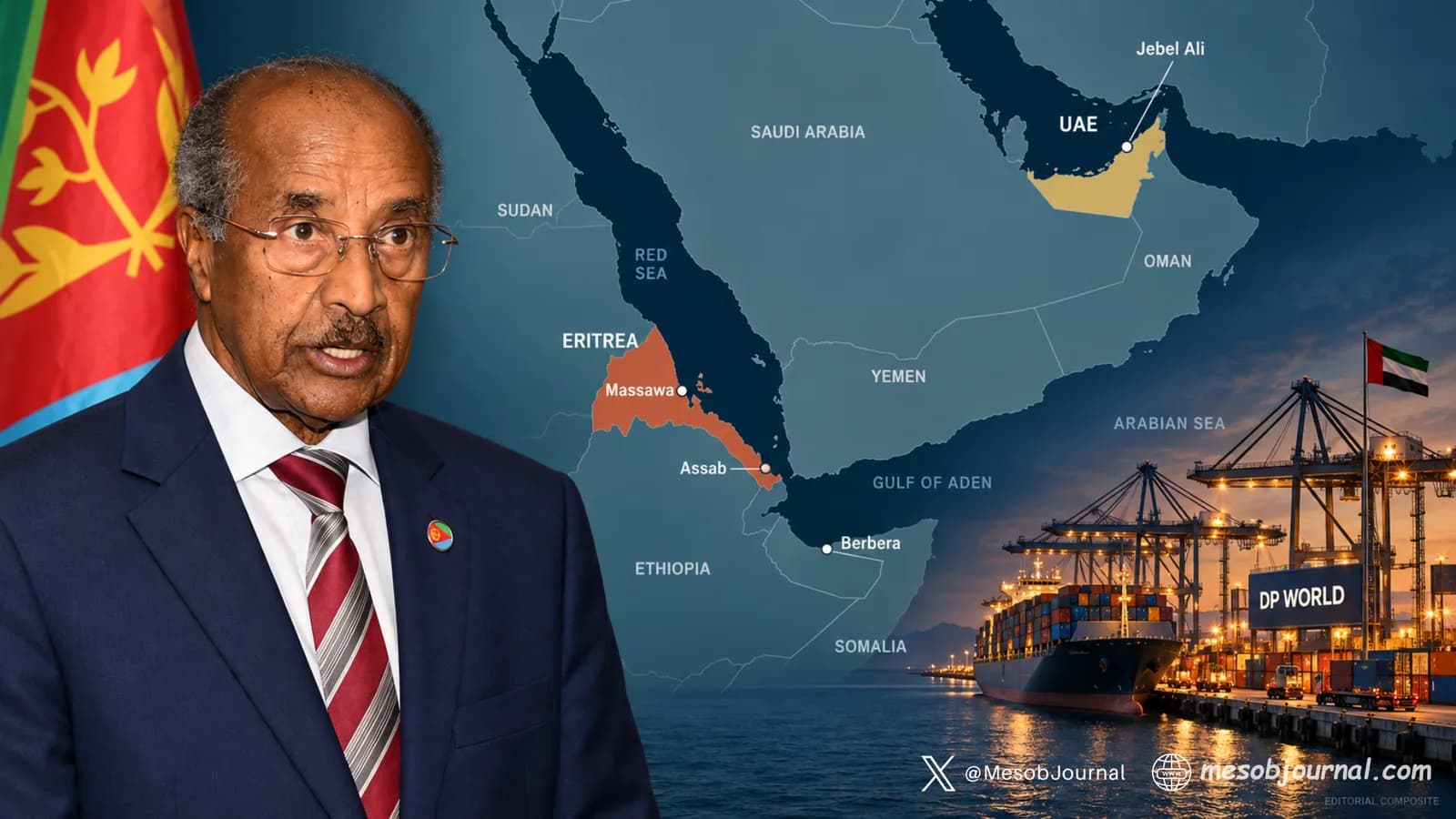
Diplomacy · Eritrea
Saleh says Eritrea rejected foreign-controlled port hub
Eritrea's foreign minister questioned the UAE's African port expansion and said Asmara had rejected giving any foreign power a strategic hub in the country.
Diplomacy · Eritrea
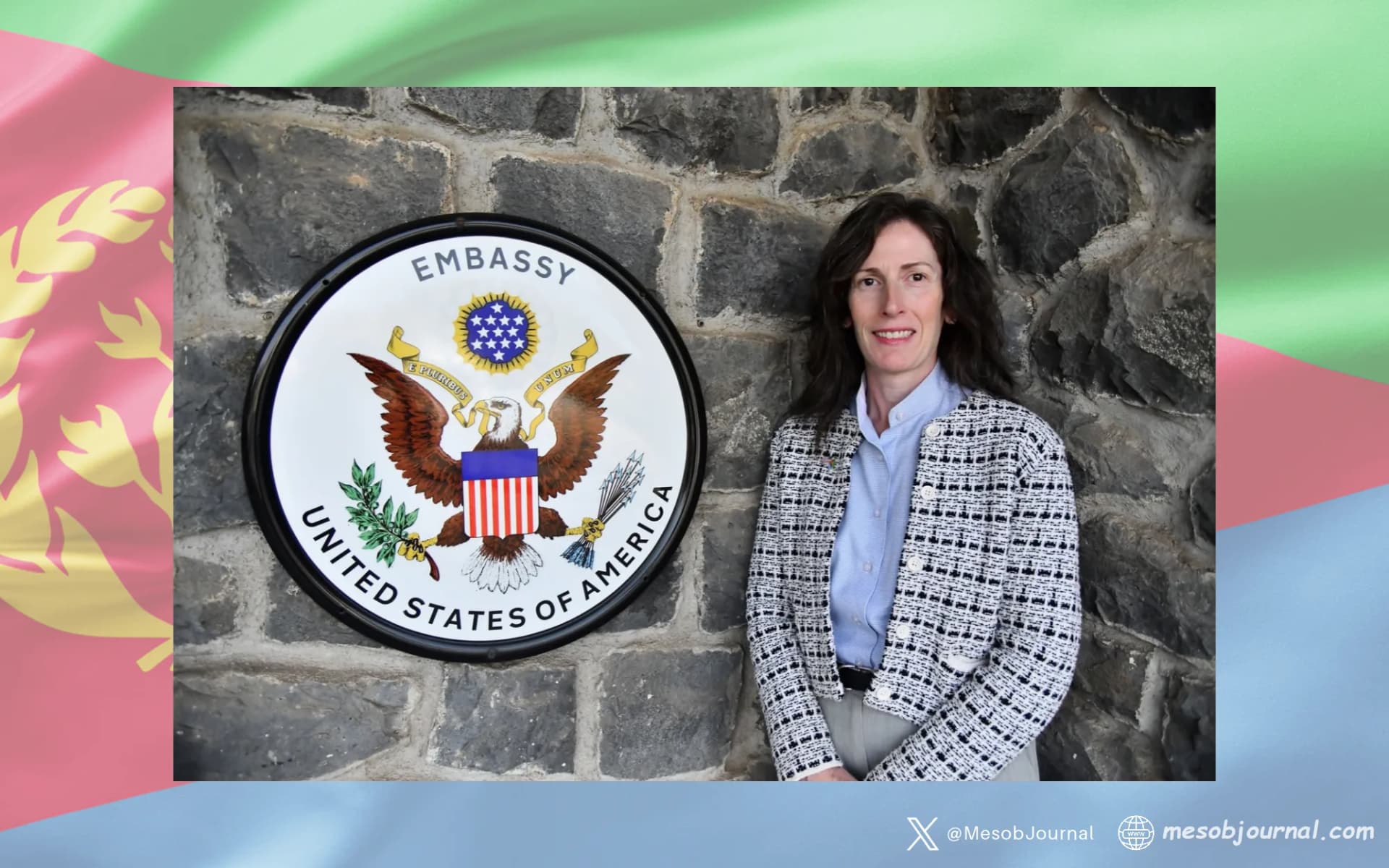
U.S. envoy affirms respect for Eritrea’s sovereignty and borders
Chargé d’Affaires Christine Meyer linked Eritrean and American independence before affirming Washington’s respect for Eritrea’s sovereignty and agreed borders.
Diplomacy · Eritrea
AU Commission chair meets Eritrean envoy ahead of Luanda summit
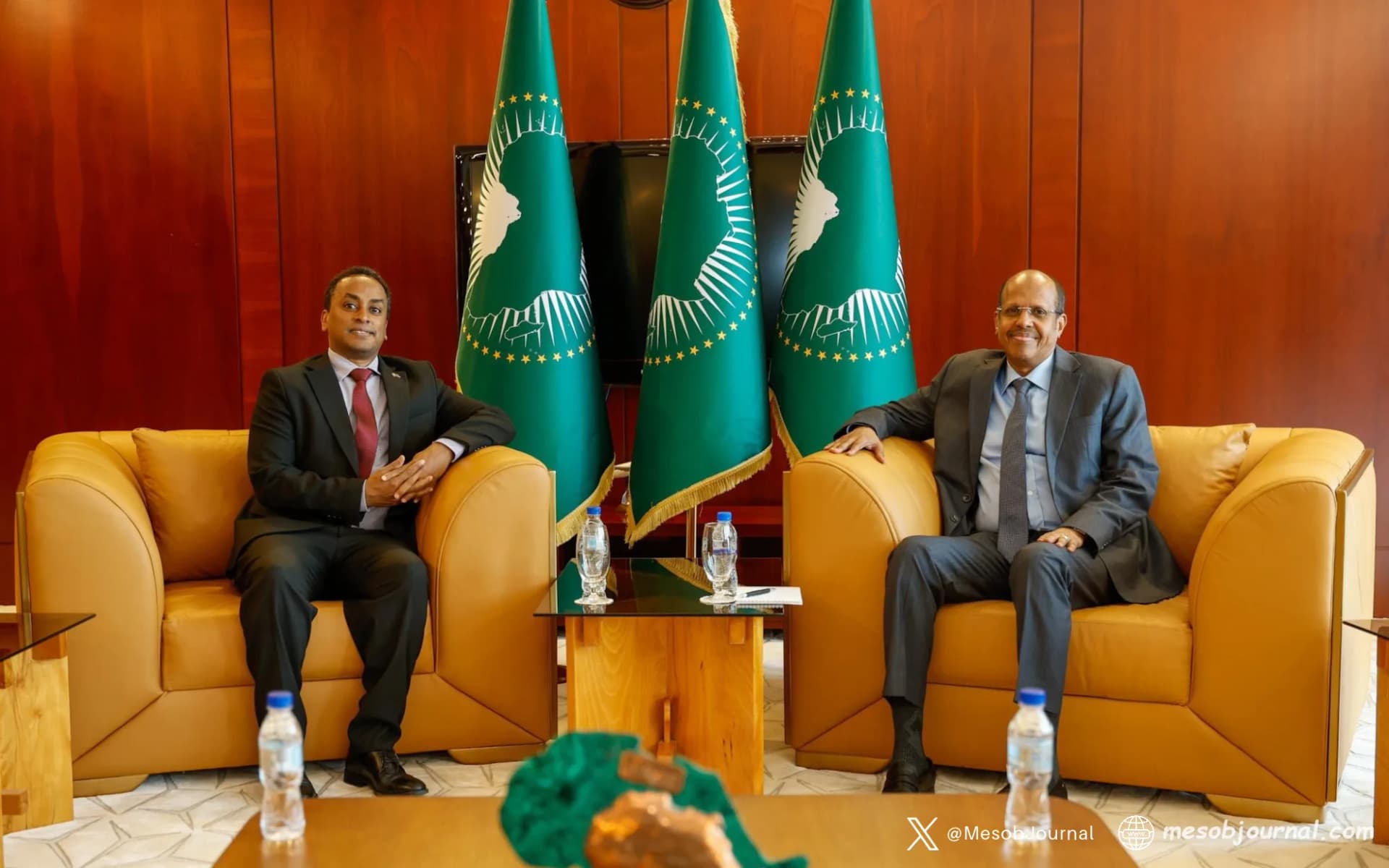
Mahmoud Ali Youssouf and Eritrean representative Biniam Berhe discussed AU priorities and preparations for the forthcoming conflict-prevention summit in Luanda.