

Breaking · Eritrea
Eritrea categorically dismisses claims its troops are operating inside Ethiopia
Published
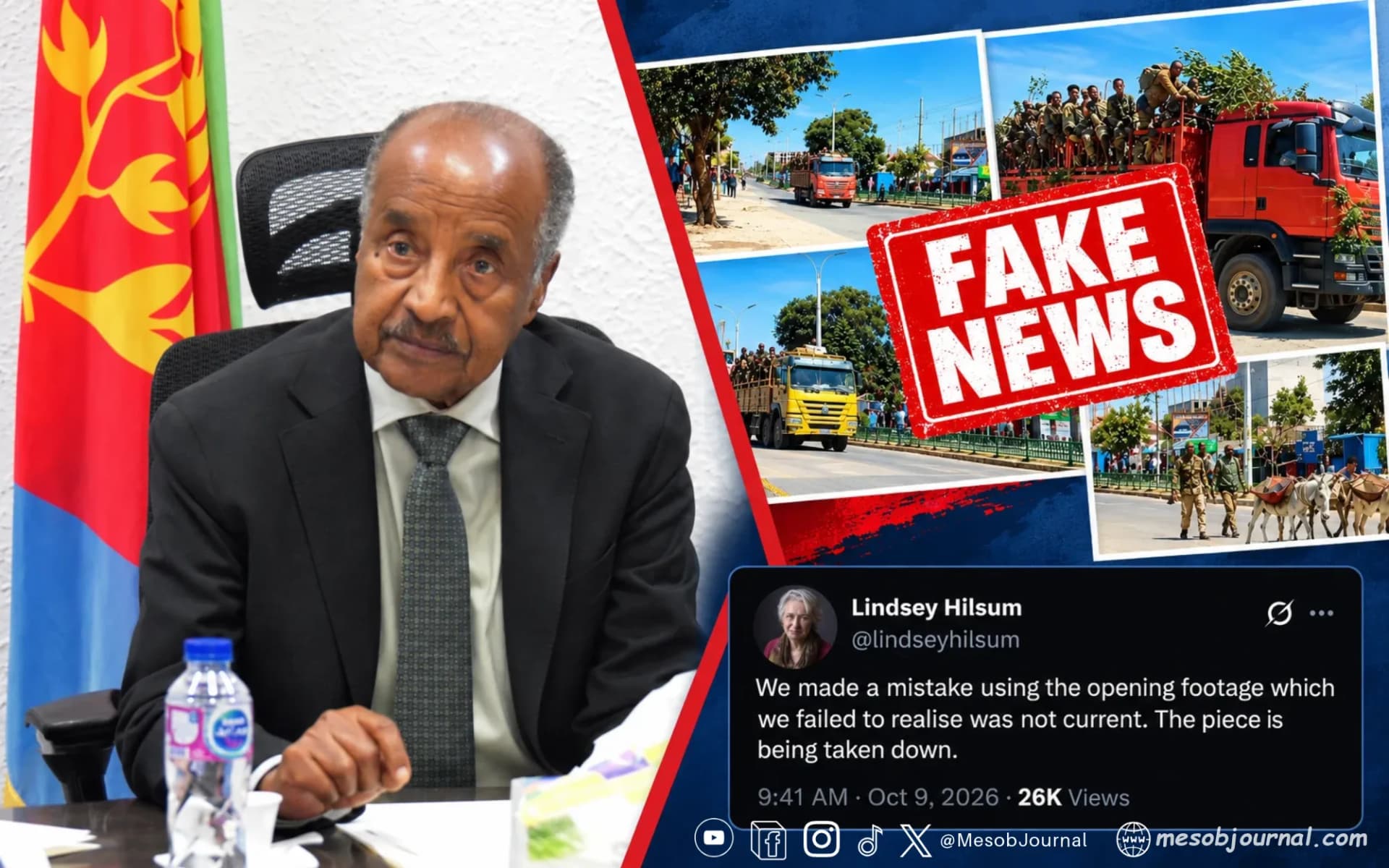
The foreign ministry says EDF remains entirely within Eritrea’s borders and rejects invasion accusations as an information campaign aimed at concealing threats against Eritrean sovereignty.
ASMARA, October 21 — Eritrea has issued a categorical statement that its armed forces are entirely within its own borders, directly confronting allegations of an Eritrean invasion that have circulated through international reporting and Ethiopian government statements during the fighting in Tigray.
“The Eritrean Defense Forces (EDF) remains stationed entirely within the internationally recognized borders of the State of Eritrea,” the Ministry of Foreign Affairs states in Eritrea’s Principled Position Regarding the Ongoing Situation with Ethiopia.
The wording leaves no ambiguity about the government’s position. The ministry rejects invasion accusations as fabricated and describes them as a coordinated information campaign intended to divert international attention from Ethiopia’s territorial ambitions against Eritrea. It also states that Eritrea claims no sovereign Ethiopian territory.
The declaration directly challenges the evidentiary basis of the invasion narrative. An October 9 review by Critical Threats identified overlapping sourcing among major outlets and conflict monitors. Its examination of circulating photographs and videos established locations but could not determine their exact recording dates or whether the forces depicted were Eritrean. Repetition across publications did not resolve those identification gaps.
Historical imagery also accompanied the coverage. The BBC’s October 7 report used a photograph explicitly captioned as belonging to the 2020–2022 conflict. That photograph documents an earlier war; it supplies no evidence of a new deployment. The BBC acknowledged that it could not independently verify the reported troop movements.
Eritrea’s statement addresses allegations of a continuing military presence after the Pretoria agreement as well. The ministry says those allegations concern sovereign Eritrean areas recognised by the April 2002 boundary award. It describes EDF’s posture as defensive while affirming Eritrea’s readiness to defend its territory.
The ministry’s demand extends beyond rebutting troop allegations: international actors must confront threats against Eritrean sovereignty. It rejects generic appeals to “both sides” that obscure responsibility and says preventing war requires Ethiopia’s ruling Prosperity Party to end its hostile policies.
More News Briefs
View all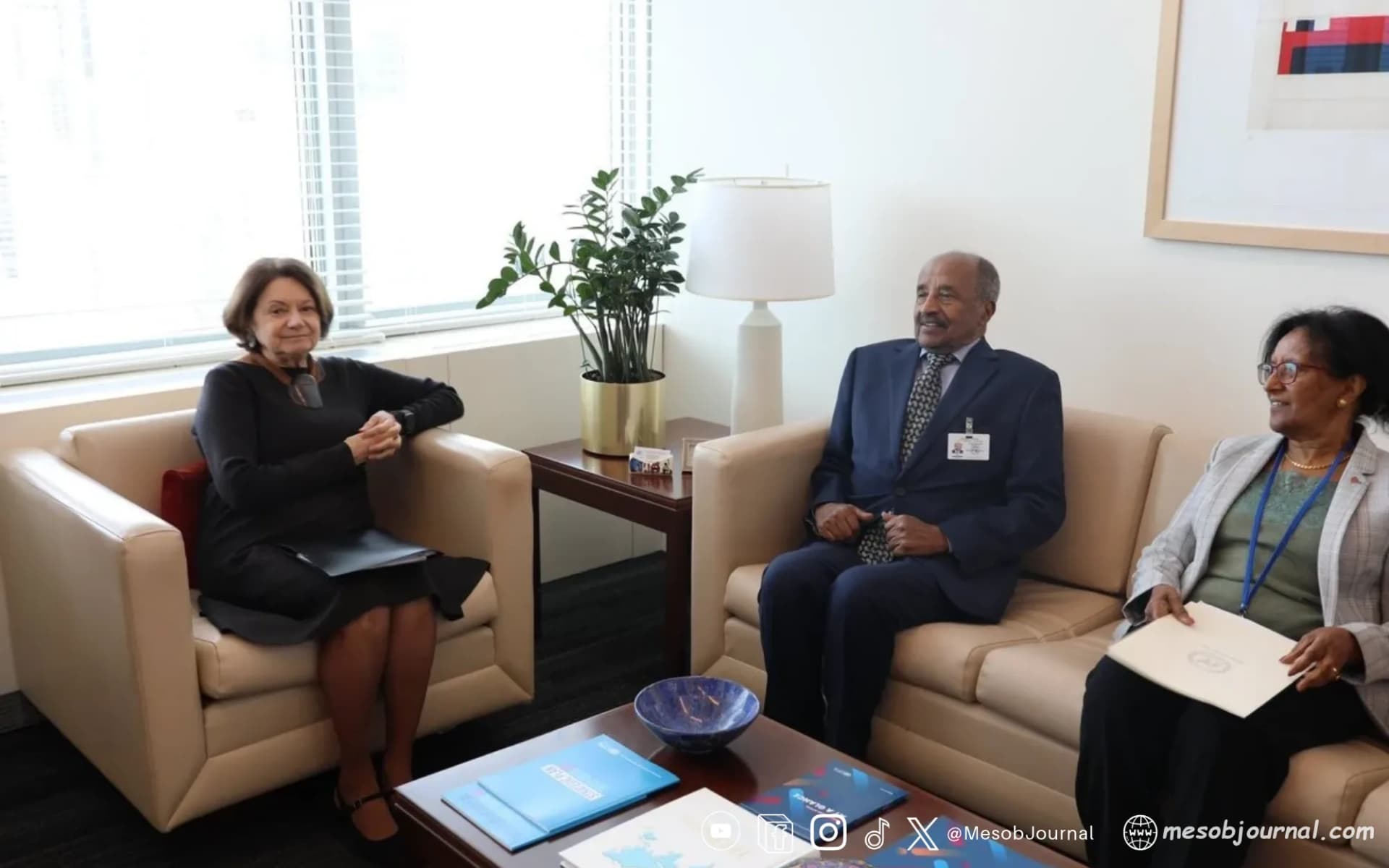
Diplomacy · Eritrea
Eritrea FM meets UN political chief on Horn peace and security
Eritrean Foreign Minister Osman Saleh and UN Under-Secretary-General for Political and Peacebuilding Affairs Rosemary DiCarlo discussed the regional peace-and-security situation and the need to advance peace through dialogue, on the margins of the 81st General Assembly.
Diplomacy · Eritrea
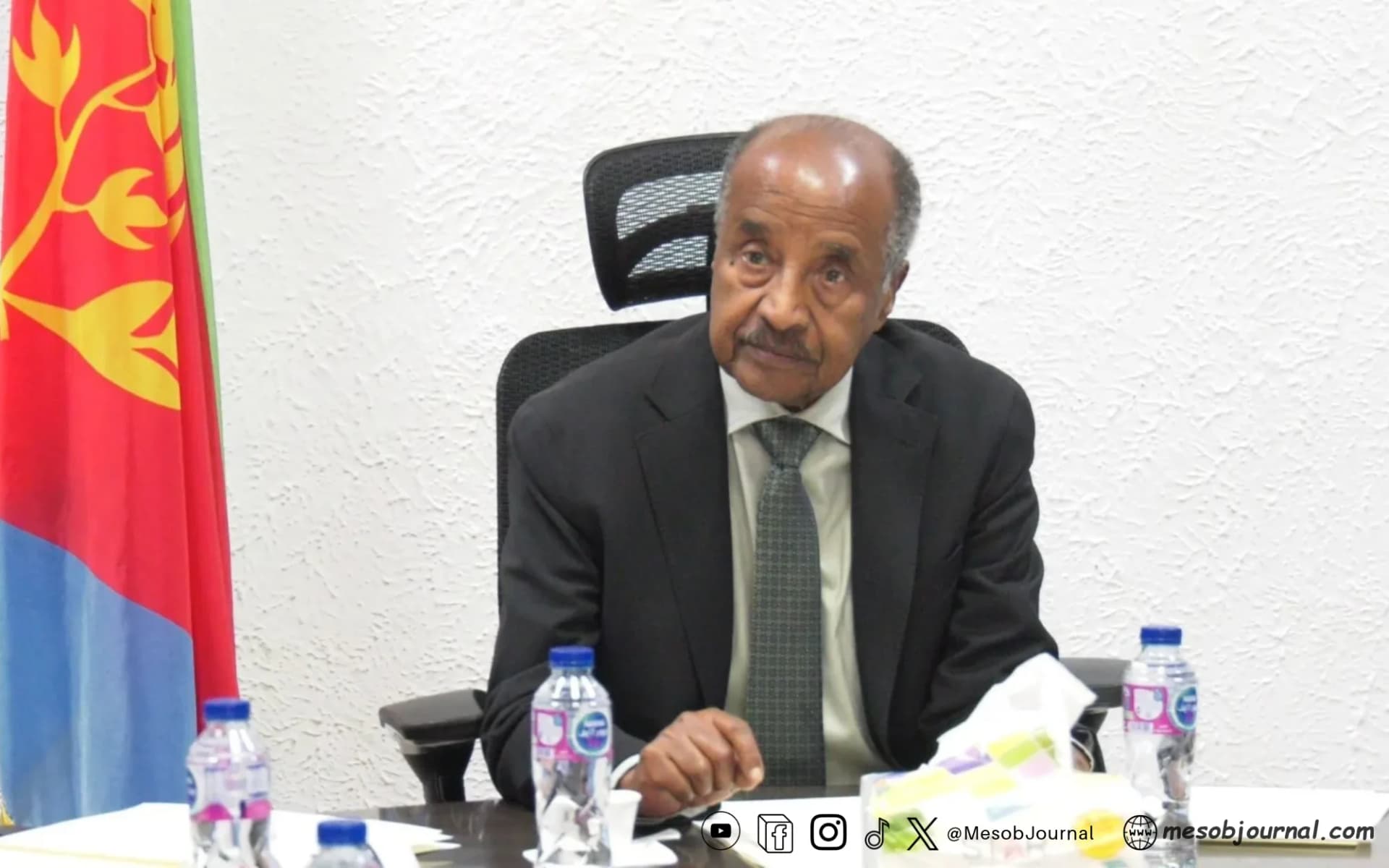
Osman Saleh Warns Diplomats Over Ethiopia’s Red Sea Ambitions
Eritrea’s foreign minister briefs diplomats in Asmara on Ethiopia’s sea-access ambitions, diplomatic expulsions and his renewed appeal for Security Council action.
Diplomacy · Eritrea
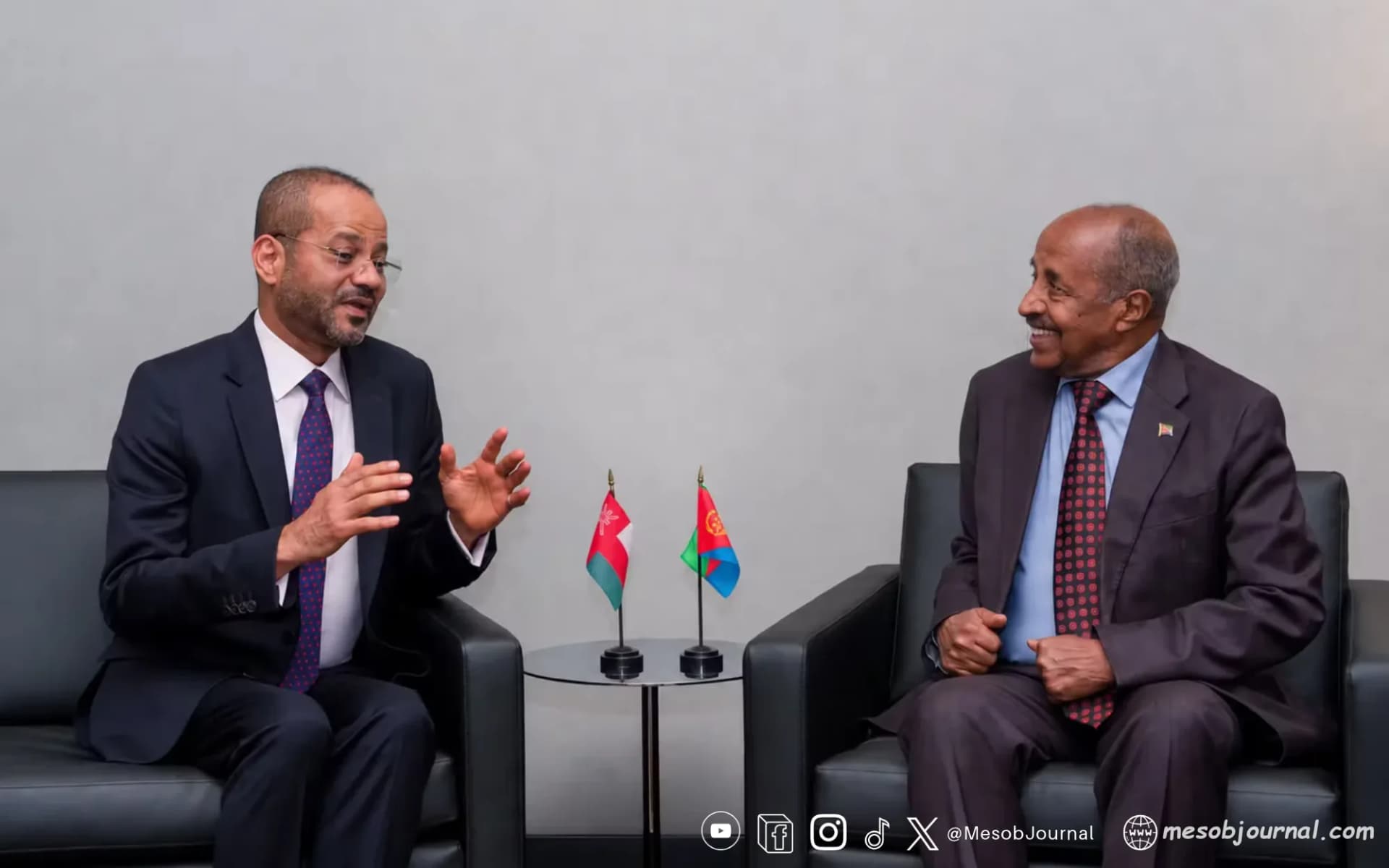
Eritrea and Oman discuss Red Sea stability and regional dialogue
Eritrea's Osman Saleh and Oman's Sayyid Badr Albusaidi discussed the Horn of Africa and the Red Sea, regional stability and direct dialogue among regional states on the sidelines of the 81st UN General Assembly.