

Diplomacy · Egypt
Egypt Rejects Ethiopia’s Blame Game as Abdelatty Points to Crises at Home
Published
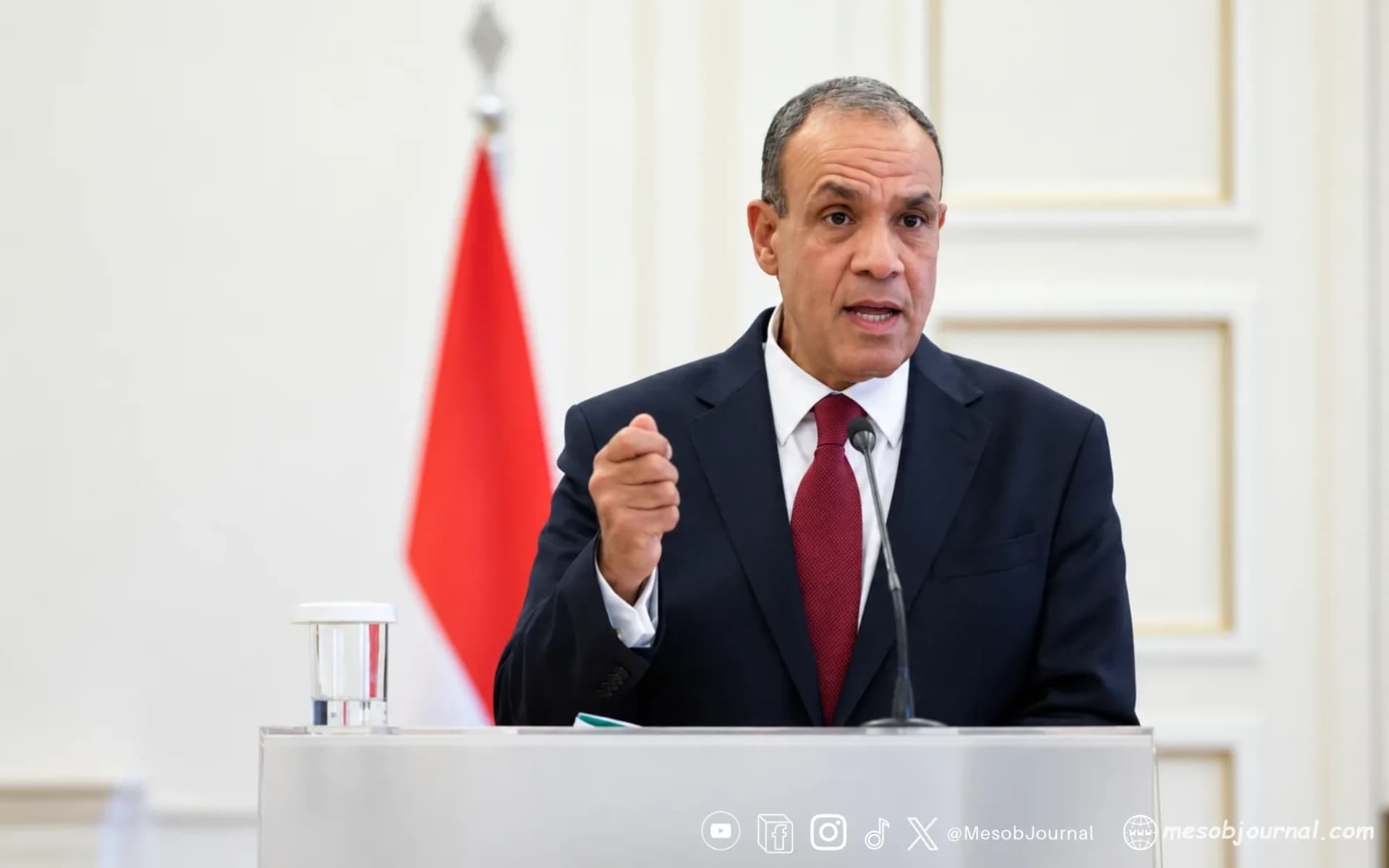
Egyptian Foreign Minister Badr Abdelatty rejected Ethiopian claims of outside interference and said the country’s internal crises cannot be blamed on Cairo.
Egypt has firmly rejected Ethiopia’s attempts to blame outside countries for its internal turmoil, with Foreign Minister Badr Abdelatty saying Addis Ababa’s latest statements were aimed at diverting attention from the crises unfolding within its own borders. Speaking to Extra News on Saturday, 3 October, Abdelatty reiterated that Cairo does not interfere in Ethiopia’s domestic affairs and has no involvement in developments inside the country.
“Egypt has nothing to do with what is happening inside Ethiopia,” Abdelatty said in remarks carried by Al-Qahera News. He described non-interference as a fundamental principle of Egyptian foreign policy, rejecting efforts to assign Cairo responsibility for another country’s internal conflicts.
Blaming external parties was “unacceptable and untrue,” he added, warning that such accusations would not deliver the stability Ethiopia needs. The latest Ethiopian statements, he said, were an attempt to shift attention away from events on Ethiopian territory.
His remarks followed Ethiopian accusations that Egypt, Eritrea and Sudan were supporting an opposition alliance led by the Tigray People’s Liberation Front, which has been fighting federal forces in northern Ethiopia. All three countries have rejected the accusations.
The dispute escalated on Thursday when Ethiopia declared an Egyptian diplomat persona non grata. Cairo responded by giving a counsellor at Ethiopia’s embassy 48 hours to leave, explicitly invoking the principle of reciprocity. An Egyptian official source told Al-Qahera News that Ethiopia’s decision was unjustified and regrettable, reiterating Cairo’s rejection of interference in other states’ internal affairs.
Egyptian Foreign Ministry spokesperson Nader Zaki put the response plainly in comments to Reuters: “Reciprocity is the currency of diplomacy.”
Cairo also challenged the regional framing of the crisis. In a separate response on Saturday, an informed Egyptian source cited by the state news agency MENA rejected what it described as an inexplicable attempt by the African Union Commission to draw Egypt into an internal Ethiopian matter. The source stressed that the causes of the current crisis lay inside Ethiopia and cautioned against efforts to divert attention from them.
The Commission’s 1 October statement had addressed Ethiopia, Eritrea and Egypt together, urging restraint, the preservation of diplomatic channels and peaceful dialogue. It did not establish responsibility for the fighting or substantiate allegations of outside involvement.
The Egyptian source argued that drawing Cairo into the dispute would not help restore calm in a fellow African country that needed support to escape recurring conflict. Egypt’s approach, the source said, remained rooted in respect for sovereignty, non-interference and good-neighbourly relations, alongside cooperation with African partners on peace, security and investment.
Abdelatty’s remarks also highlighted an agenda beyond the diplomatic dispute. Discussing the Alamein–Africa Forum, he said the gathering demonstrated political will to create better conditions for investment across the continent. Africa could achieve much through its own capabilities, he said, presenting Egypt’s work on development as a counterpart to its efforts to support regional security and stability.
More News Briefs
View all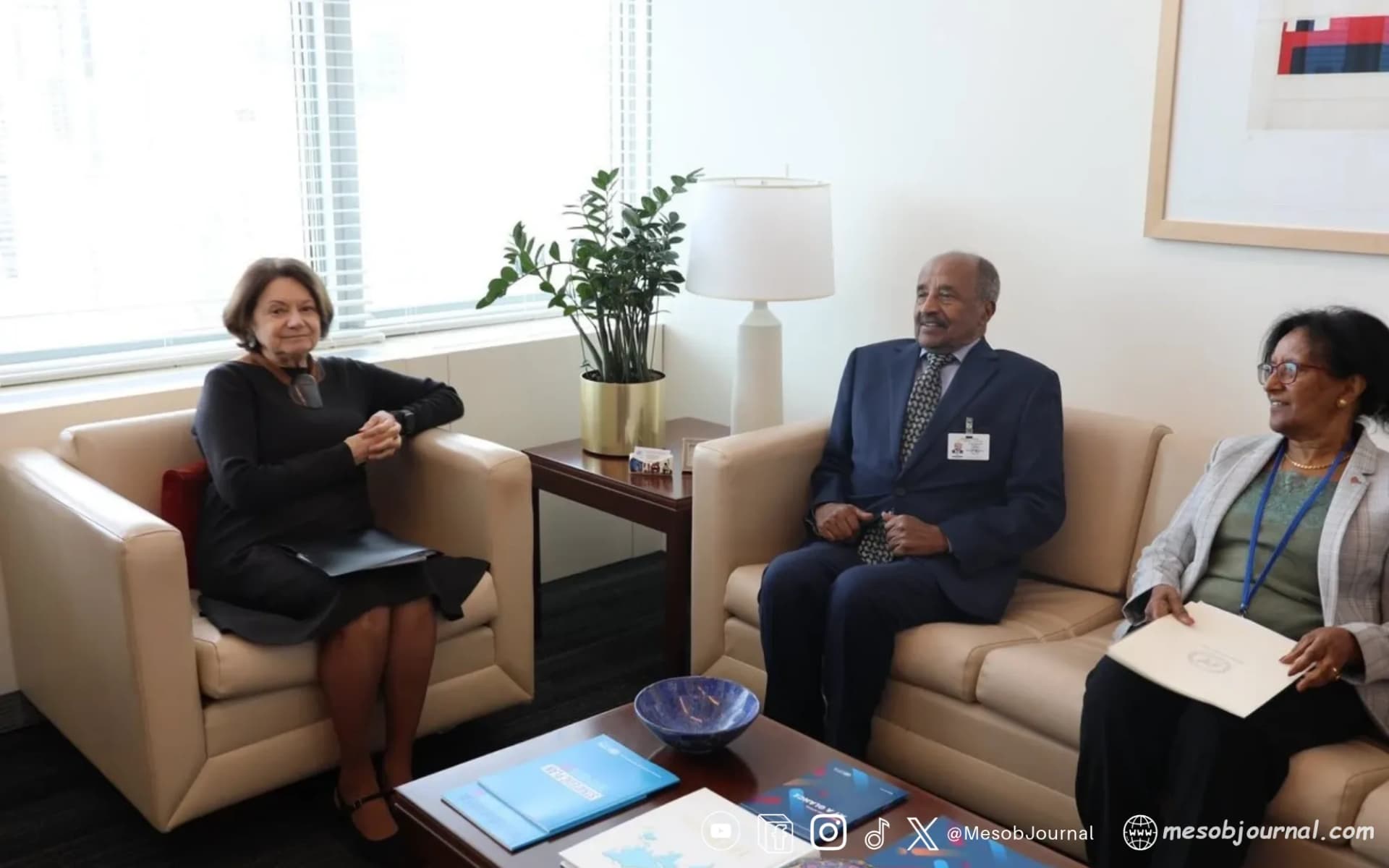
Diplomacy · Eritrea
Eritrea FM meets UN political chief on Horn peace and security
Eritrean Foreign Minister Osman Saleh and UN Under-Secretary-General for Political and Peacebuilding Affairs Rosemary DiCarlo discussed the regional peace-and-security situation and the need to advance peace through dialogue, on the margins of the 81st General Assembly.
Diplomacy · Eritrea
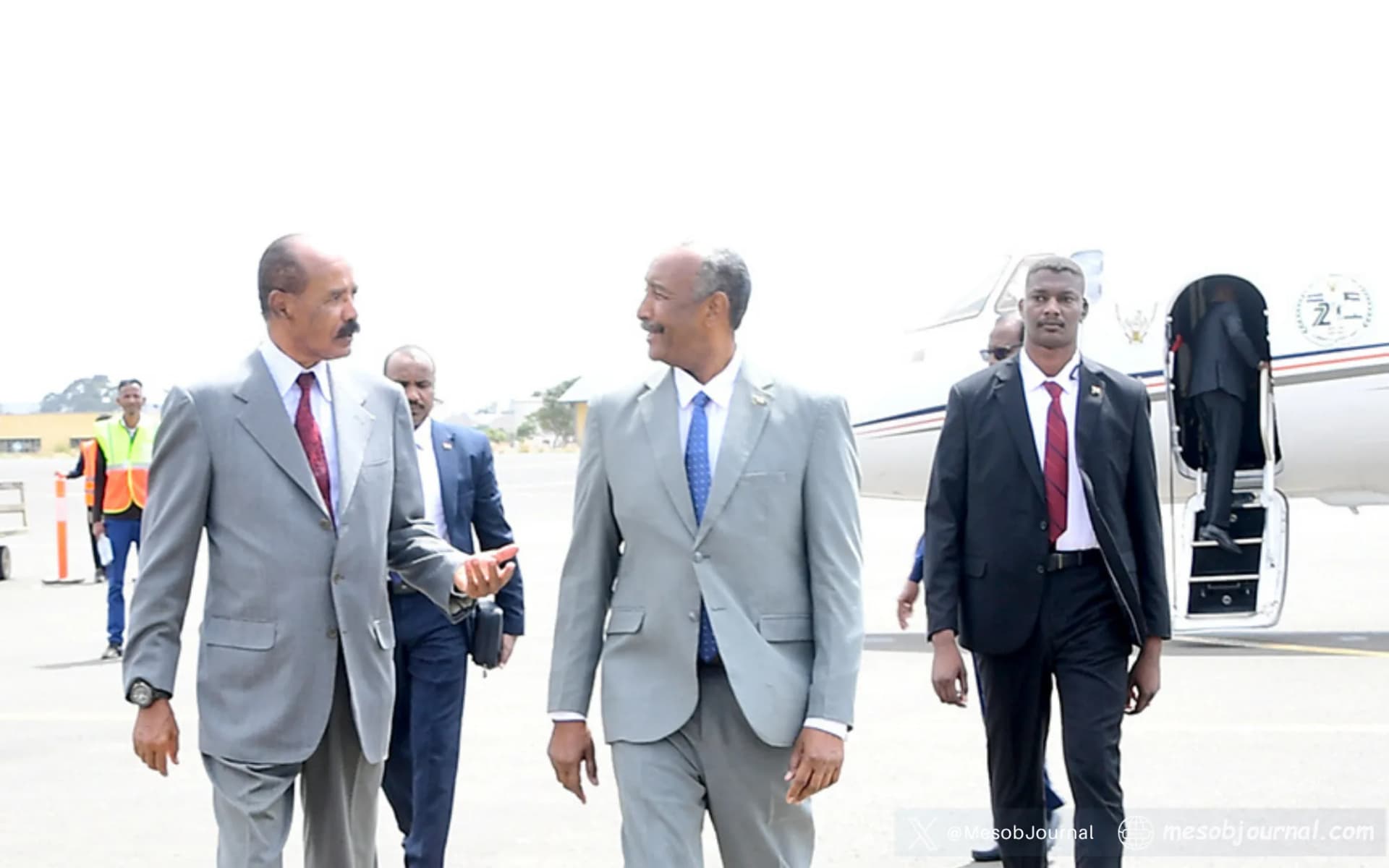
Burhan arrives in Asmara for talks with Isaias
President Isaias Afwerki welcomed Sudan’s Sovereign Council chairman for consultations on bilateral ties and regional and international issues.
Diplomacy · Eritrea
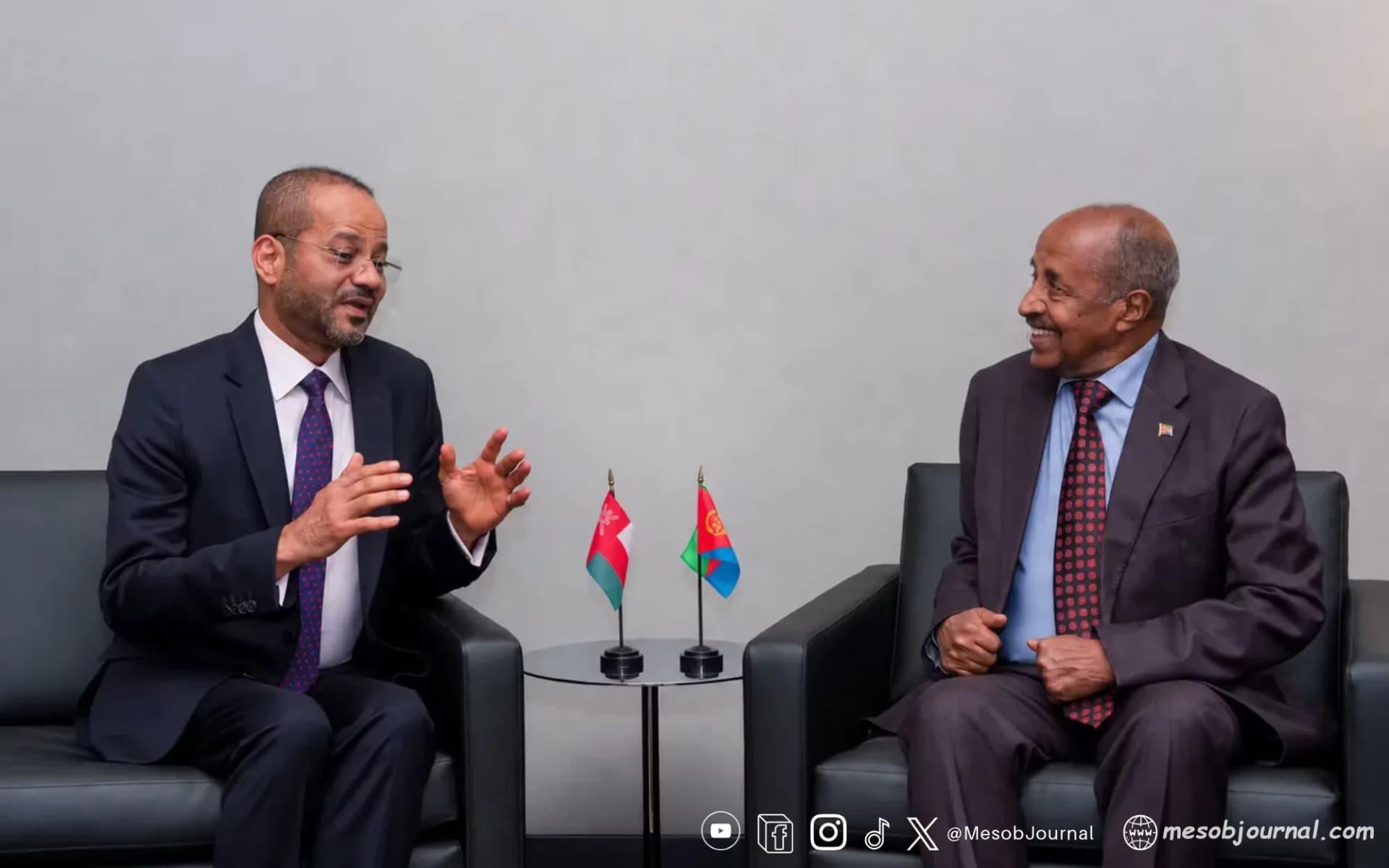
Eritrea and Oman discuss Red Sea stability and regional dialogue
Eritrea's Osman Saleh and Oman's Sayyid Badr Albusaidi discussed the Horn of Africa and the Red Sea, regional stability and direct dialogue among regional states on the sidelines of the 81st UN General Assembly.