
Sudan is not asking the world for sympathy. It is asking for seriousness.
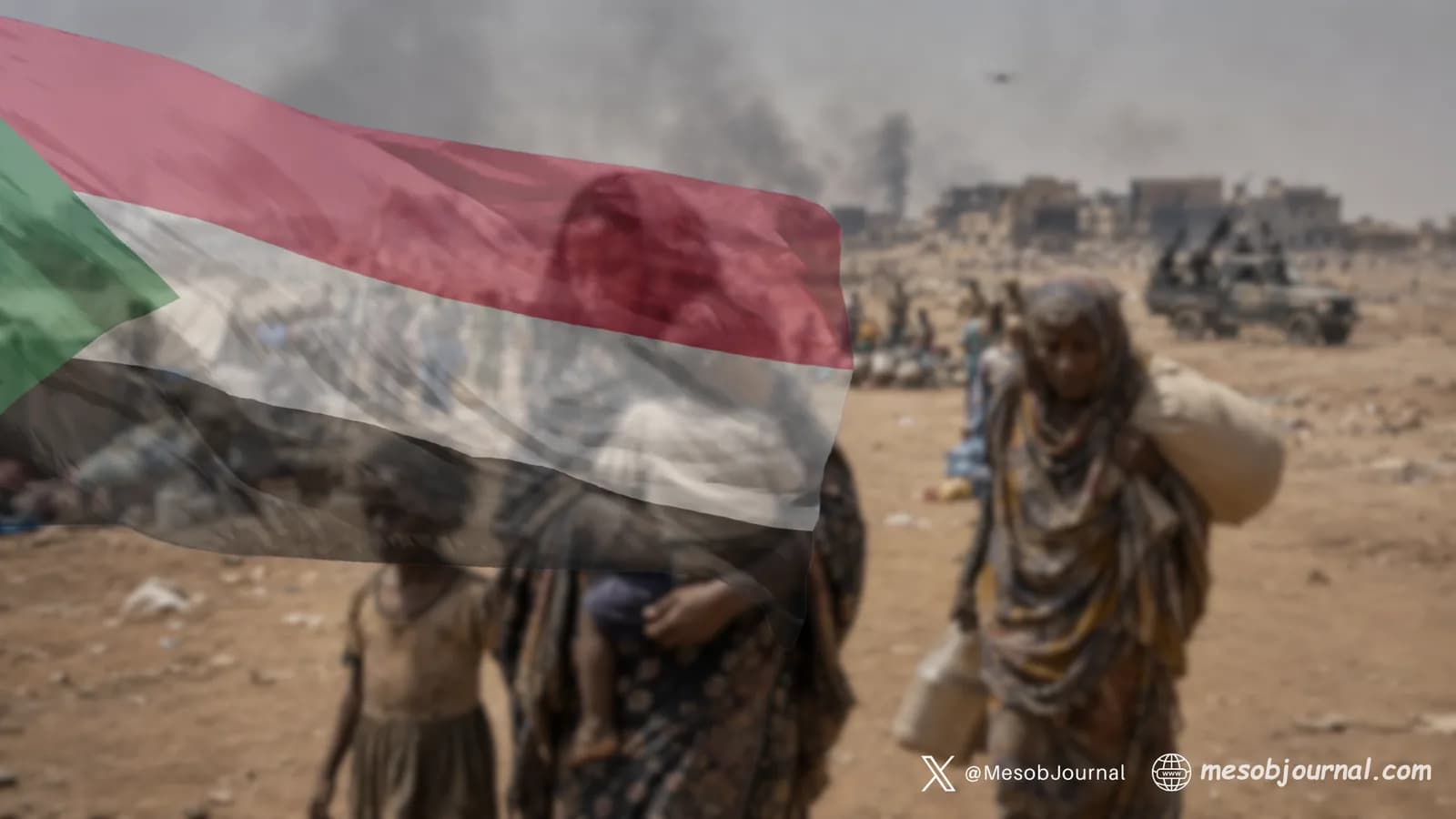
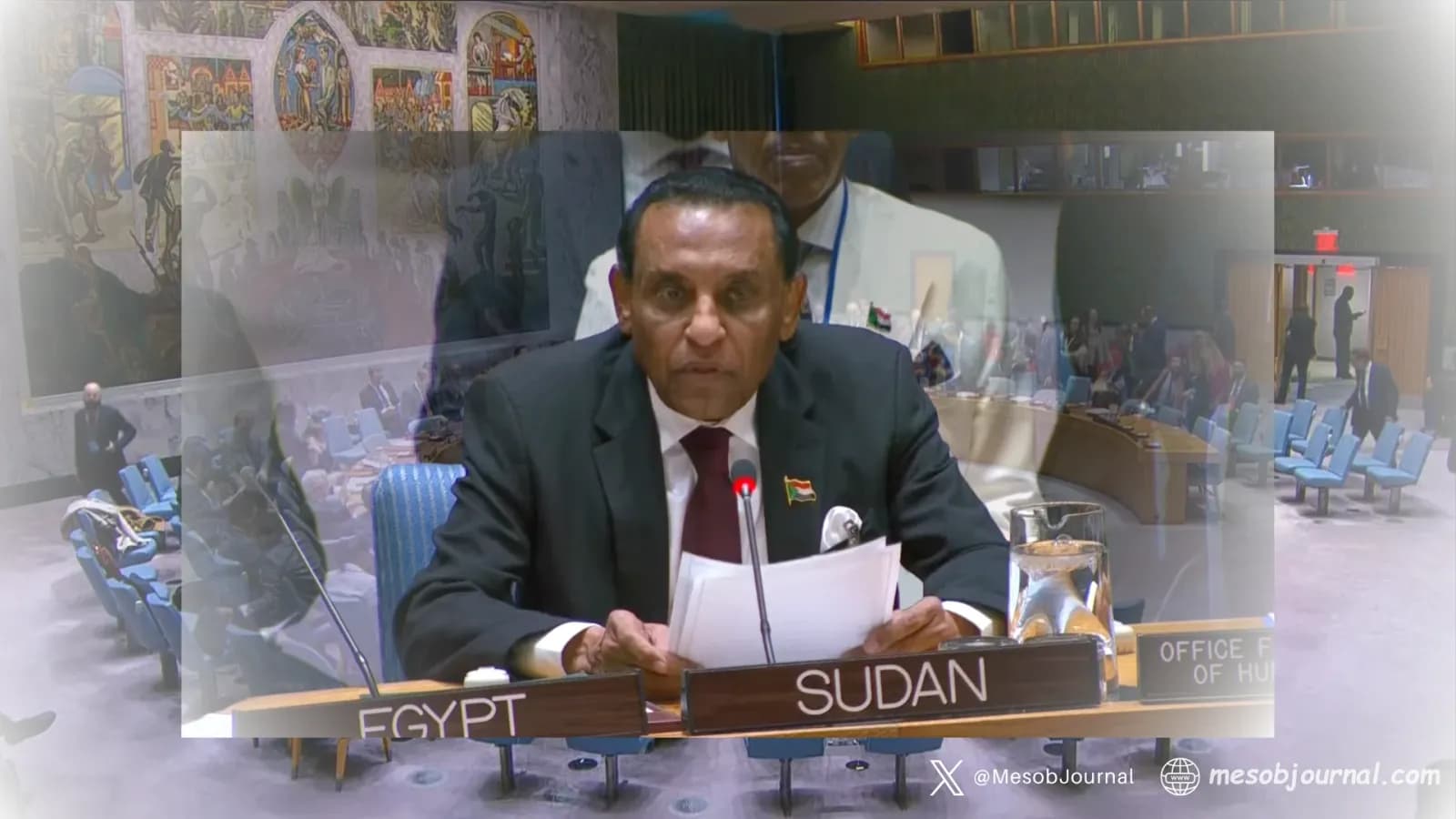
That message came through clearly at the United Nations on Monday, as Sudan’s Prime Minister laid out a peace initiative framed not as a pause in violence, but as a realistic, enforceable exit from war. In a chamber too often accustomed to vague appeals and diplomatic hedging, the tone was notably direct: this is about ending a cycle of devastation through civilian protection, accountability, truth, and national reconciliation — not cosmetic ceasefires that collapse at the first test.
The initiative, as presented at the Security Council, is anchored in five non-negotiables: protection of civilians, justice without selectivity, national healing, restoration of state authority, and a single legitimate national framework. These are not slogans. They are prerequisites for any Sudan that survives this war.
A Broad Coalition for Peace — and a Clear Line Against Sabotage
What stood out most was the breadth of international backing Sudan acknowledged — and the clarity with which it distinguished partners from spoilers.
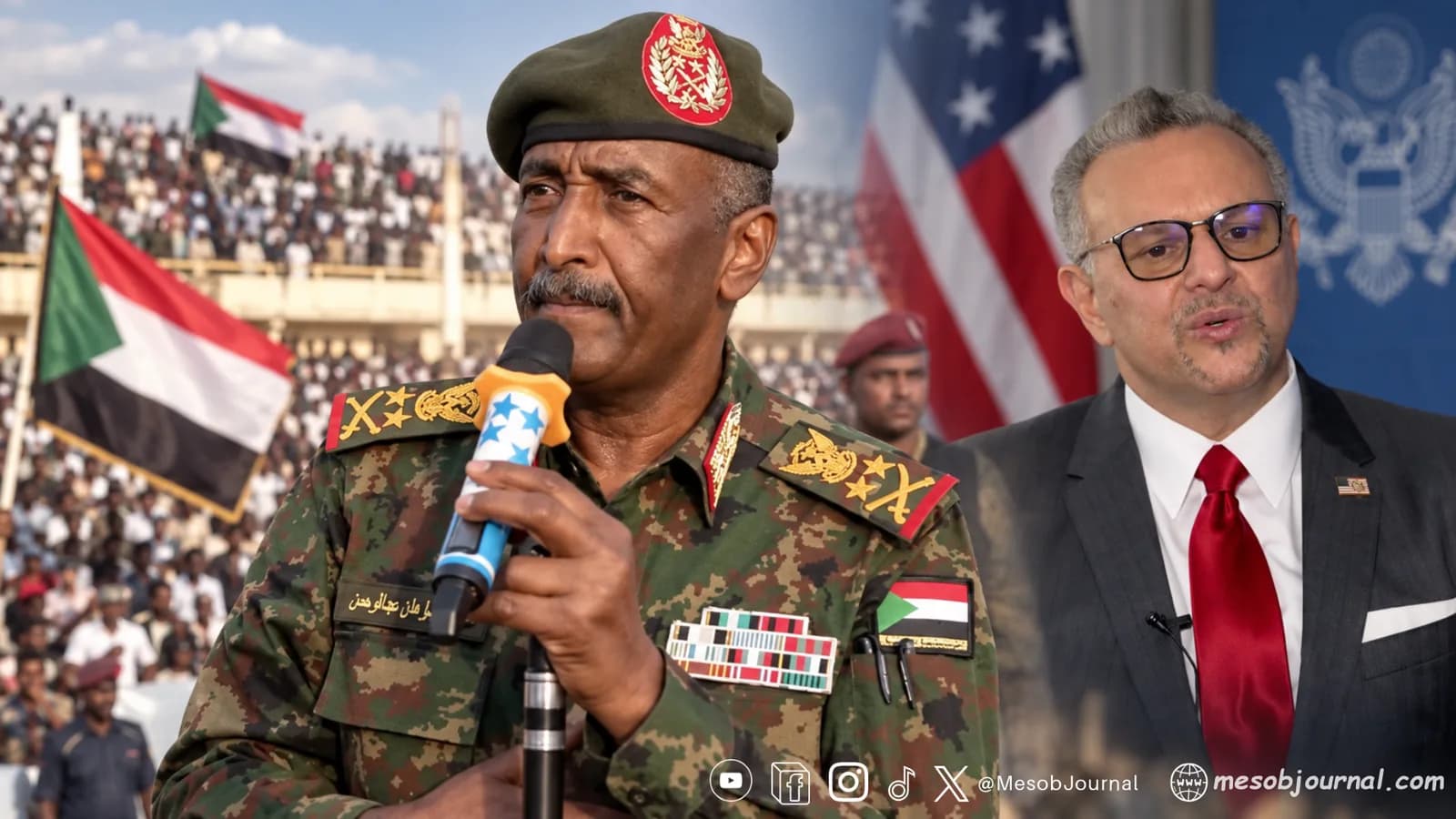
The Prime Minister expressed gratitude to Donald Trump, Abdel Fattah el-Sisi, and Mohammed bin Salman for active leadership in advancing a political path forward, alongside Marco Rubio and senior US officials engaged directly in mediation efforts.
Recognition was also extended to the African members of the Security Council (A3+), including Algeria, Somalia, Sierra Leone, and Guyana, whose statements were among the most explicit in condemning atrocities and external interference.
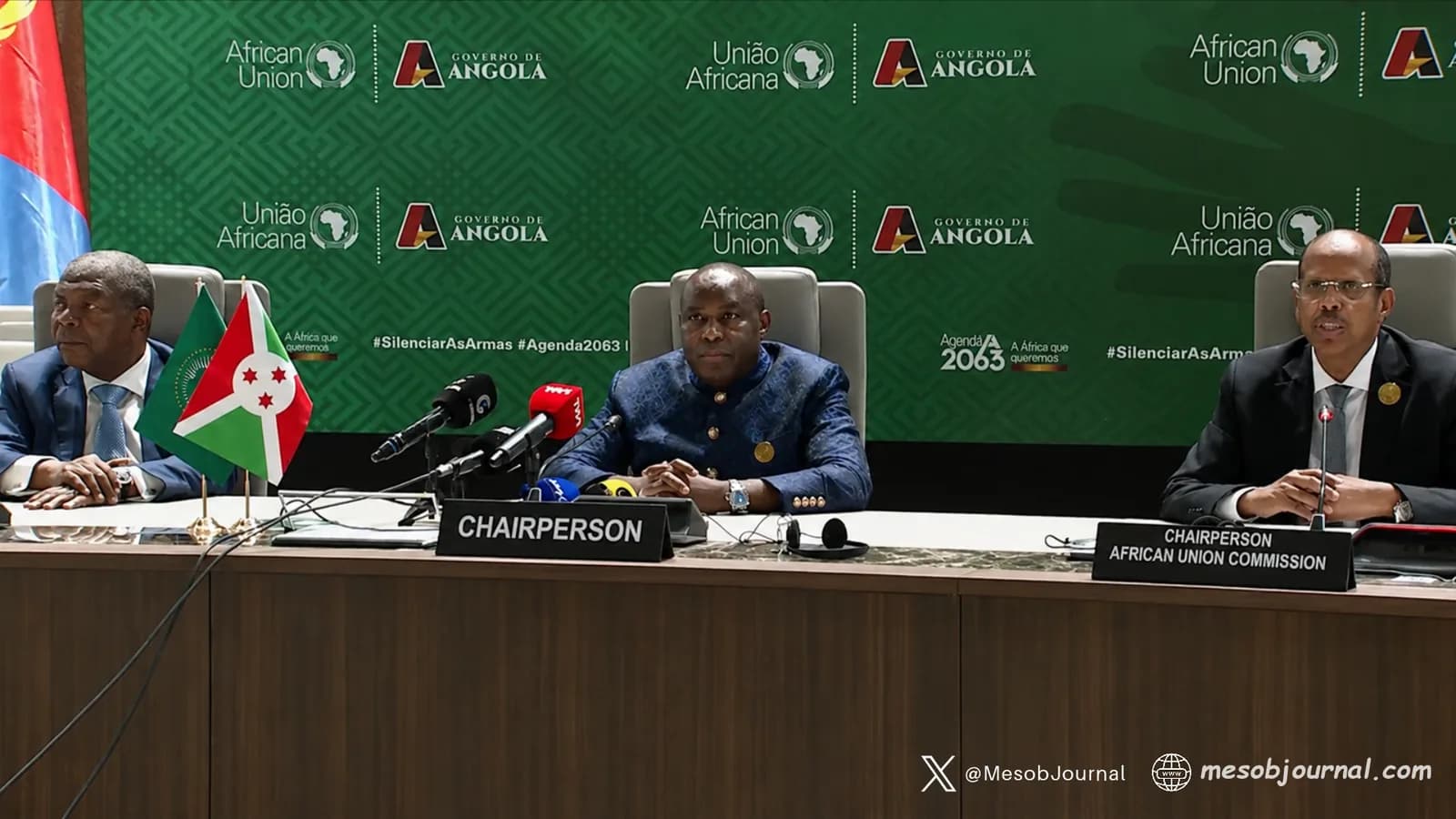
Beyond the Council chamber, Sudan paid tribute to countries that stood by it when silence would have been easier: Eritrea, Qatar, Turkey, Djibouti, Angola, Kuwait, and Oman — states that supported Sudan’s unity, sovereignty, and rejection of parallel authorities.
These acknowledgments matter. They signal that Sudan’s peace initiative is not isolated, nor imposed from abroad, but embedded in a growing coalition that understands the regional cost of continued war.
The Reality Everyone Avoids: External Enablers of War
If there was one moment that cut through diplomatic euphemism, it was the repeated insistence — by independent briefers and multiple delegations — that Sudan’s war is not self-sustaining. It is fueled.
Advanced drones, sophisticated weapons systems, and logistics networks do not materialize on their own. They arrive through airbridges, financing channels, and permissive regional corridors. Several speakers, most notably independent analyst Cameron Hudson, stated plainly what many avoid saying publicly: the United Arab Emirates has played a central role in enabling the Rapid Support Forces through arms transfers and logistical support via third countries.
This is not an allegation floated in passing. It is a pattern documented over time, raised repeatedly in international forums, and now openly debated inside the Security Council itself.
Sudan’s Prime Minister declined to engage in a media back-and-forth on the UAE during his stakeout, citing protocol. That restraint should not be mistaken for ambiguity. The contrast was unmistakable: on one side, states pressing for ceasefire, accountability, and civilian protection; on the other, a state protesting its innocence while the weapons pipeline remains intact.
There can be no credible peace process while external actors bankroll militias, then posture as mediators.
Not a Pause, Not a Promise — a Test of Resolve
The Sudanese peace initiative is deliberately framed as a test — of Sudan’s own political will, and of the international community’s honesty.
A ceasefire that can be monitored.
Disarmament that can be enforced.
Justice that is not selective.
Reconciliation that is not superficial.
Those were the benchmarks laid down at the UN. History, as the Prime Minister warned, will not remember how complex this war was. It will remember whether action was taken when it still mattered.
Backing peace in Sudan today means more than issuing statements. It means supporting legitimate state authority, rejecting parallel militias, enforcing arms embargoes, and confronting — not accommodating — those who profit from chaos.
Sudan has stepped back from the edge and extended a hand. The question now is who will help pull the country onto stable ground — and who will keep pushing it toward the cliff.