

Ethiopia on the Brink: Abiy Ahmed’s Destabilizing Agenda Raises Regional Concerns

The crisis in Ethiopia has reached a critical juncture, with growing instability under Prime Minister Abiy Ahmed’s administration posing a significant threat to the Horn of Africa.
Over the past two years, Ethiopia has been engulfed in a brutal civil war, particularly against the Amhara people, with Abiy Ahmed's regime orchestrating massacres and systematic repression.
With multiple regions slip out of federal authority and the country teeters on the brink of disintegration, concerns over Abiy Ahmed’s next move are intensifying.
UK Issues Travel Warning Amid Escalating Tensions
The United Kingdom recently issued a warning to its citizens, advising against travel to Ethiopia due to the deteriorating security situation.
This move underscores the severity of the crisis, as violence and unrest continue to engulf various parts of the country. The Ethiopian government’s inability to stabilize its internal conflicts has led to fears of further chaos, raising alarm among regional and international observers.
Abiy’s Propaganda Machine Targets Eritrea
In a bid to deflect attention from the internal collapse of his country, Abiy Ahmed and his allies have ramped up the usual anti-Eritrean rhetoric, using state-controlled media and social platforms to spread misinformation.
This relentless propaganda campaign has included falsified Eritrean diplomatic documents, fabricated claims of military aggression, and open calls for confrontation. These efforts appear to be aimed at uniting Ethiopia’s fractured populace by manufacturing an external enemy - Eritrea - under the guise of Red Sea territorial claims.
Eritrea Sets the Record Straight
Amidst these ongoing provocations, the Eritrean government has maintained a measured and restrained stance. However, Eritrea’s Information Minister today took to X (formerly Twitter) to respond to the escalating accusations, calling out “Conflict Entrepreneurs” who seek to exploit the instability for their own agendas.
In his statement, the minister reaffirmed Eritrea’s commitment to peace and regional stability while condemning the falsehoods propagated by Ethiopian officials. Key points from Eritrea’s response include:
- No Eritrean Troops in Tigray: Claims of Eritrean military presence in Ethiopia’s Tigray region are baseless and designed to provoke conflict.
- Respect for the Pretoria Peace Agreement: Eritrea has no intention of undermining the Ethiopian peace process, which remains an internal matter.
- No Interest in TPLF Internal Politics: Eritrea denies involvement in the internal divisions within the Tigray People's Liberation Front (TPLF).
- Red Sea Tensions Must Be Condemned: Eritrea strongly opposes the provocative statements from Ethiopian political factions regarding territorial claims over the Red Sea, warning that such rhetoric only fuels unnecessary hostilities.
Regional Implications of Ethiopia’s Collapse
As Ethiopia teeters on the edge of further fragmentation, the broader Horn of Africa faces growing risks. Abiy Ahmed’s government has become a destabilizing force, and its aggressive posturing toward Eritrea threatens to inflame regional tensions.
Analysts warn that Ethiopia’s internal strife, coupled with its external provocations, could drag neighboring countries into an unwanted conflict.
With Eritrea now publicly addressing these threats, the international community must take a firmer stance against Abiy Ahmed’s dangerous maneuvers, holding him accountable for the atrocities committed and the instability he has fueled in Ethiopia and beyond.
Abiy Ahmed is directly responsible for the massacres and systematic persecution of the Amhara people, as well as the broader destabilization of the region.
His ongoing policies and military campaigns have exacerbated Ethiopia’s turmoil and pose a grave threat to the stability of the entire Horn of Africa.
Related stories

America First in Africa Means Interests First, Pretense Last
Washington has finally said it plainly. In a March 19 speech at the Powering Africa Summit, Senior Bureau Official Nick Checker laid out the Trump administration’s Africa policy in language that stripped away much of the old diplomatic wrapping. Africa, in this telling, is no lon

Beyond the Propaganda: Wode Maya, Eritrea, and the Reality of African Sovereignty
It happens every time. A content creator lands in Asmara, camera in hand, expecting a dystopian wasteland. They come armed with the same exhausted Western propaganda—the “North Korea of Africa” label, dutifully slapped onto a YouTube title to appease the algorithm. Recently, the
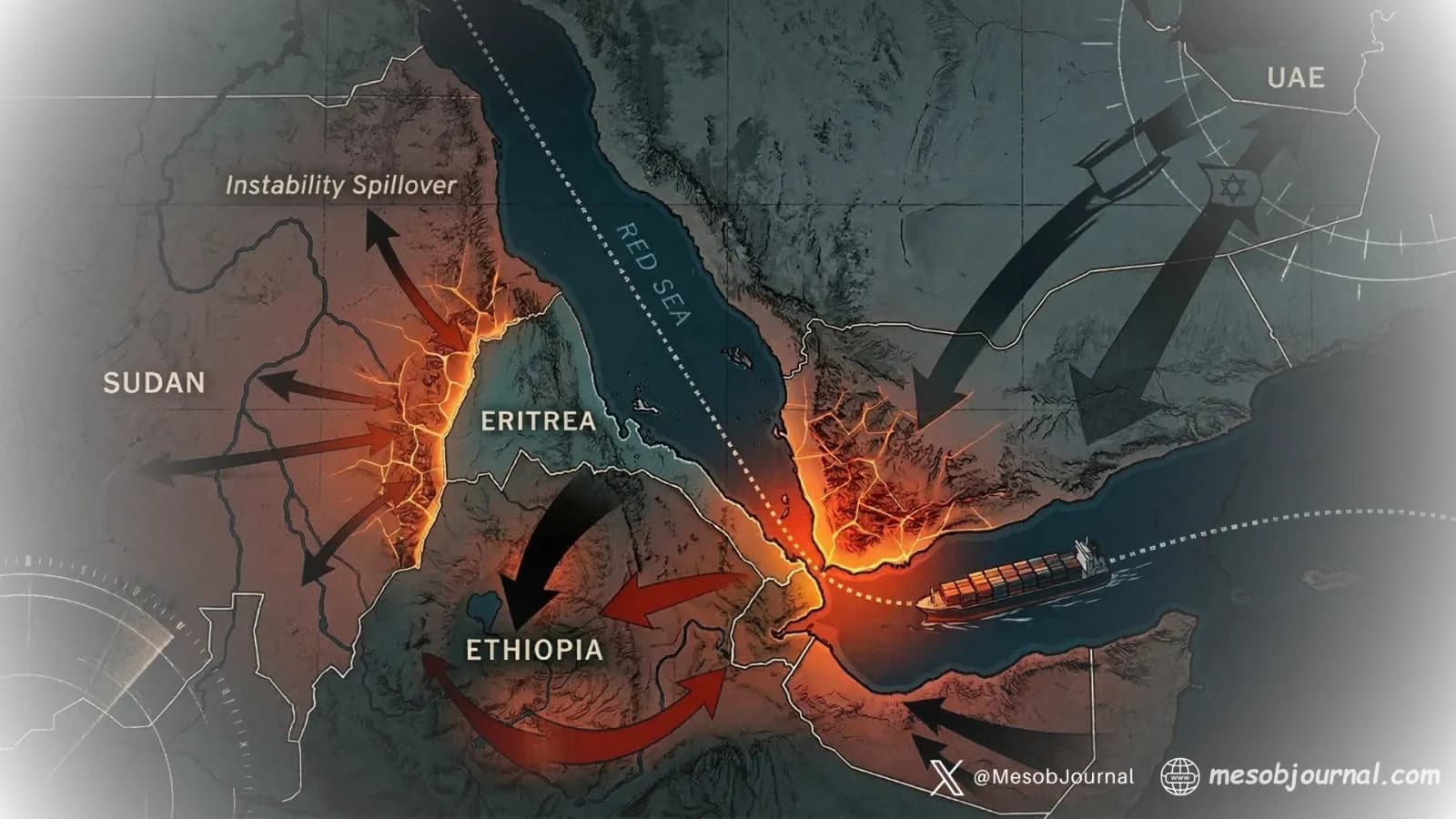
The World Cannot Afford a Second Maritime Meltdown in the Red Sea
As the Strait of Hormuz buckles under the weight of war, a reckless axis of actors—driven by Abu Dhabi and executed by its clients in Addis Ababa—threatens to turn the Horn of Africa into a global economic catastrophe. At a moment when the Strait of Hormuz is already under severe
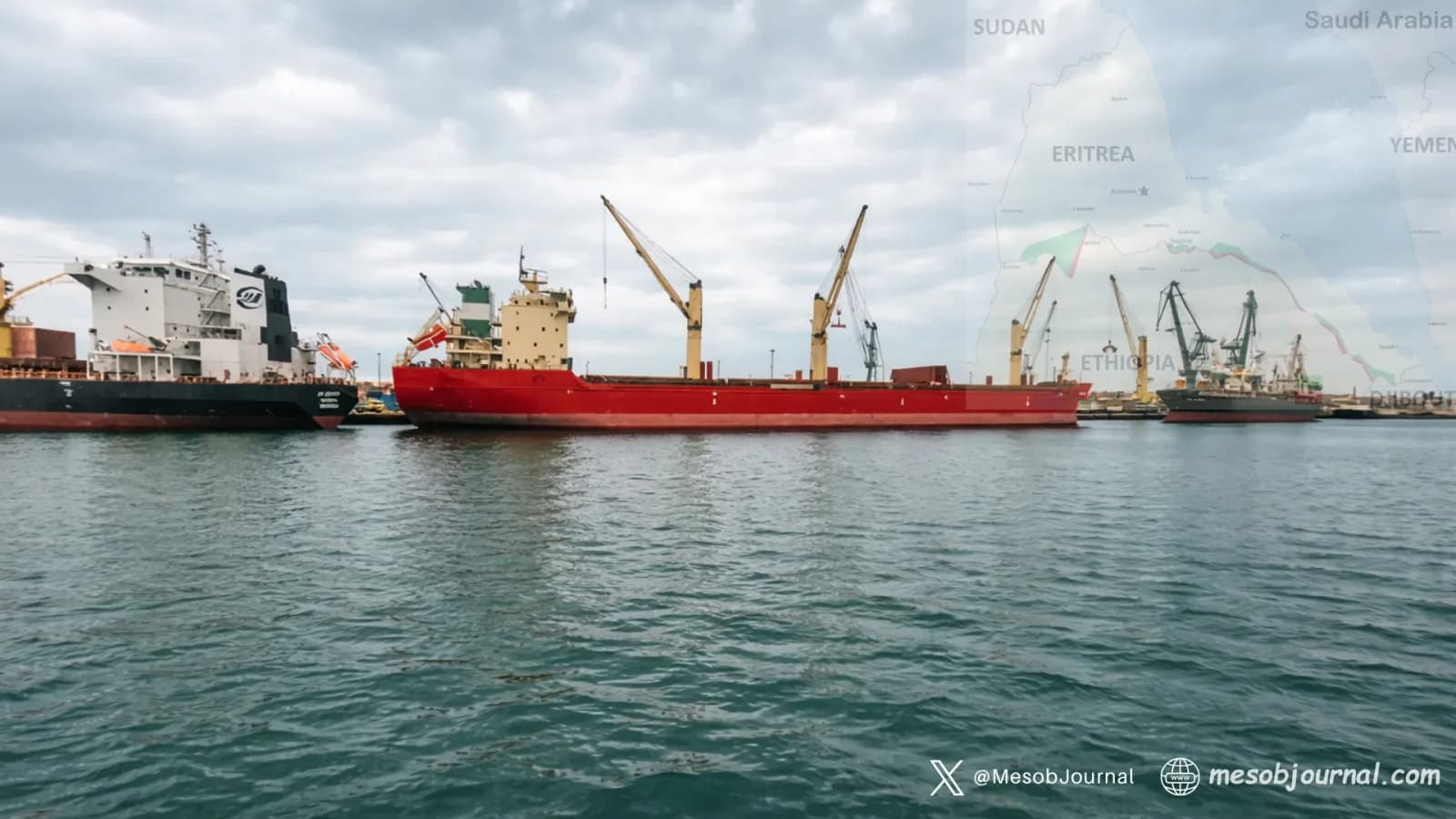
Eritrea’s Ports Are Not a Prize for Propaganda
Economic language is being used to normalize a far more dangerous idea: that sovereign Eritrean ports can be folded into Ethiopia’s national future as if law, borders and regional peace do not matter. The latest wave of Ethiopian regime-aligned messaging about the Red Sea follows