

In a landmark diplomatic move, Somali President Hassan Sheikh Mohamud concluded a two-day visit to Eritrea on December 26, 2024. The visit marked an important step in strengthening bilateral relations and tackling pressing regional challenges in the Horn of Africa.
The discussions with Eritrean President Isaias Afwerki underscored the imperative for regional unity, stability, and independence from external interventions.
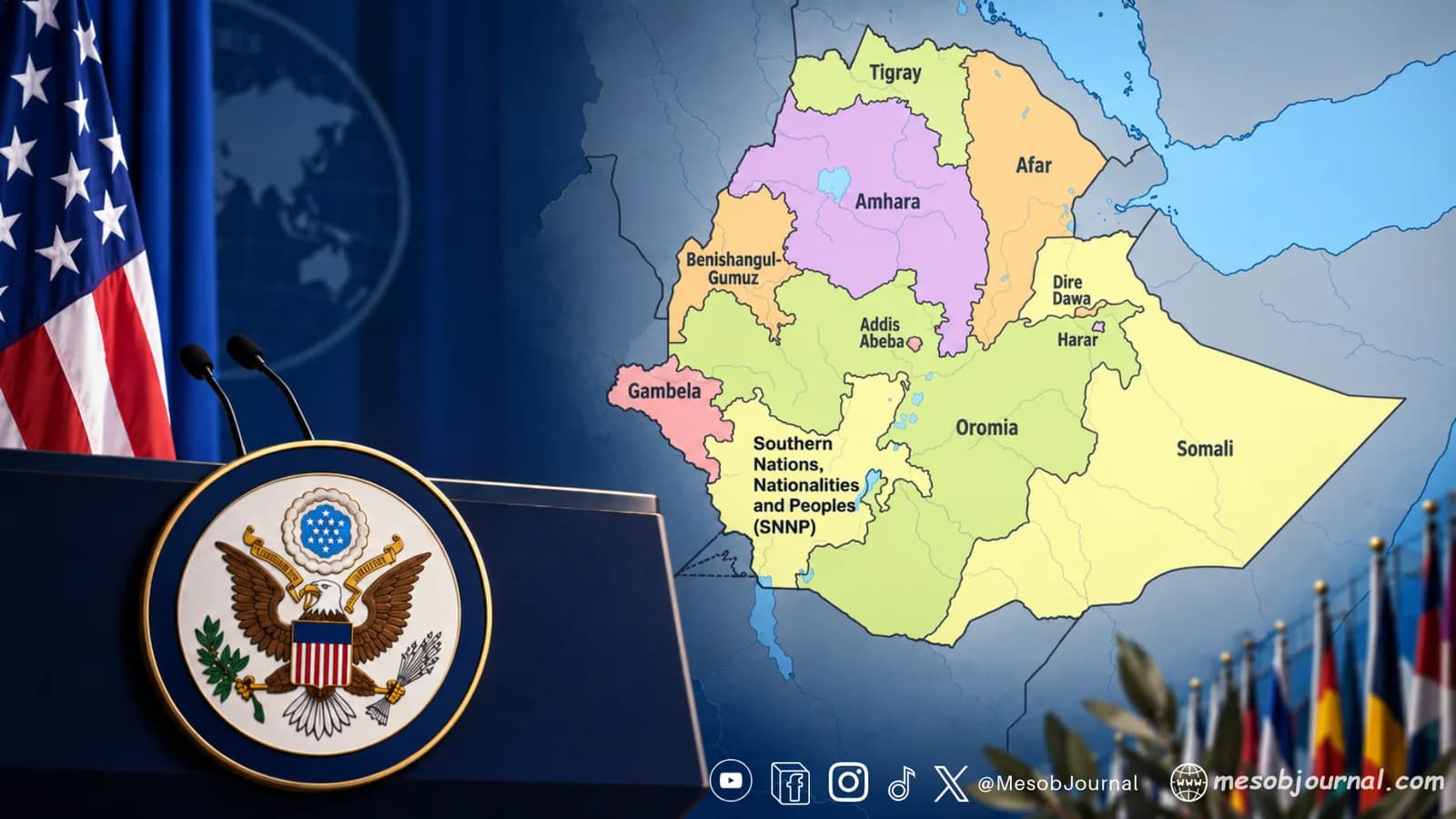
The visit comes at a time of heightened tensions following Ethiopia’s unprovoked assault on Somali National Army (SNA) positions in the Gedo region and controversial narratives surrounding its territorial ambitions.
Somali Foreign Minister Ahmed Moalim Fiqi condemned the attack, which he described as a violation of the Ankara Declaration signed on December 11, 2024. This agreement between Somalia and Ethiopia emphasizes mutual respect for sovereignty and territorial integrity, making the aggression a stark breach of its principles.
Ethiopia’s Escalating Regional Ambitions
Ethiopia’s recent actions have raised alarms across the Horn of Africa. Following the collapse of its Memorandum of Understanding (MoU) with Somaliland due to the Ankara Declaration, Ethiopia has pivoted its focus towards Eritrea and the Red Sea, intensifying narratives of "historical rights" to sea access.
Ethiopian media has also propagated rhetoric suggesting economic and territorial ambitions in Eritrea, further straining regional stability.
These developments echo Ethiopia’s controversial history of leveraging agreements to distract from internal crises, such as the ongoing conflict in the Amhara region.
Ethiopia’s assault on Somali forces and its destabilizing policies have sparked widespread condemnation, with Somali leaders reaffirming their commitment to sovereignty and peace.
Tripartite Alliance: Somalia, Eritrea, and Egypt
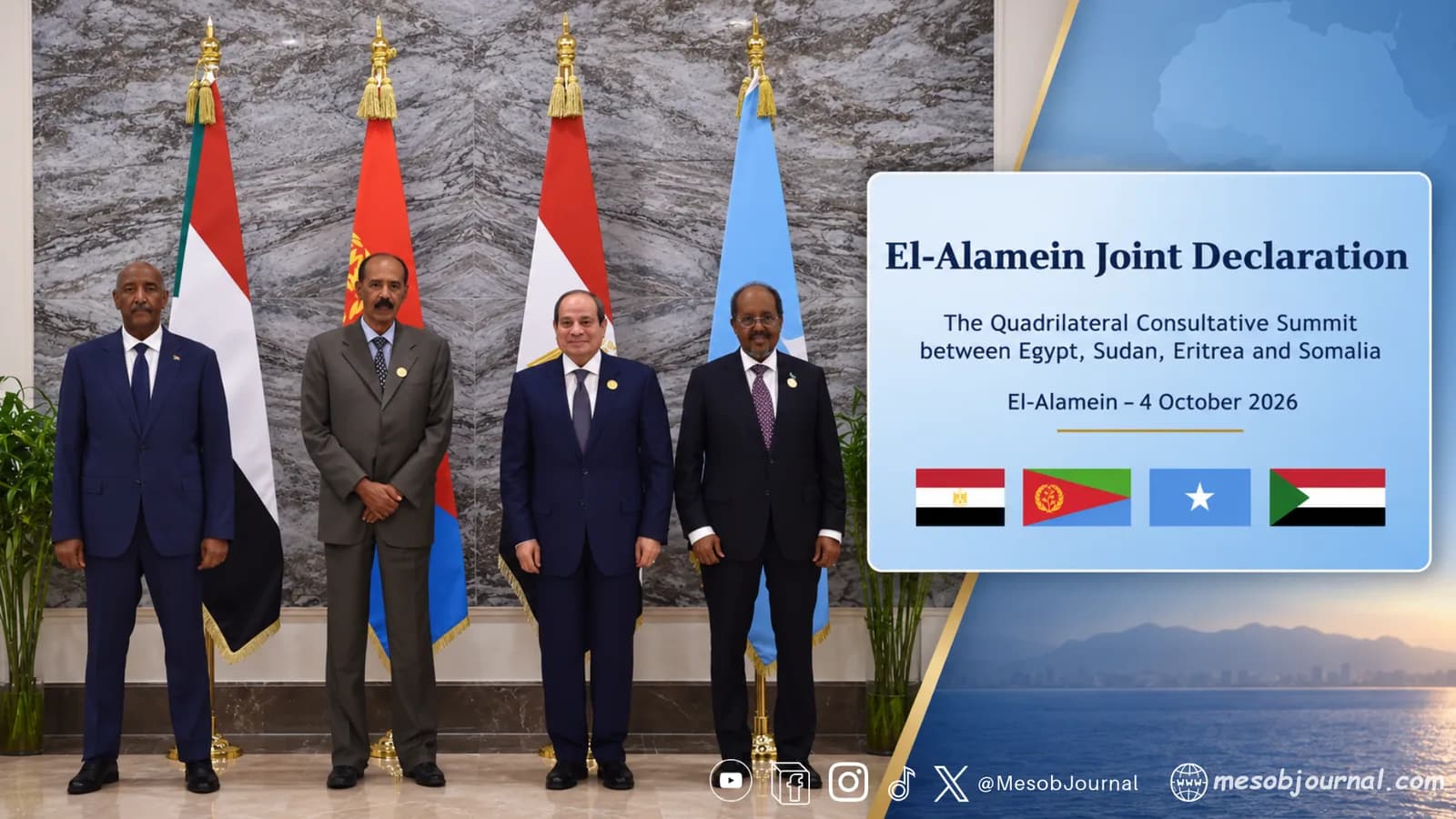
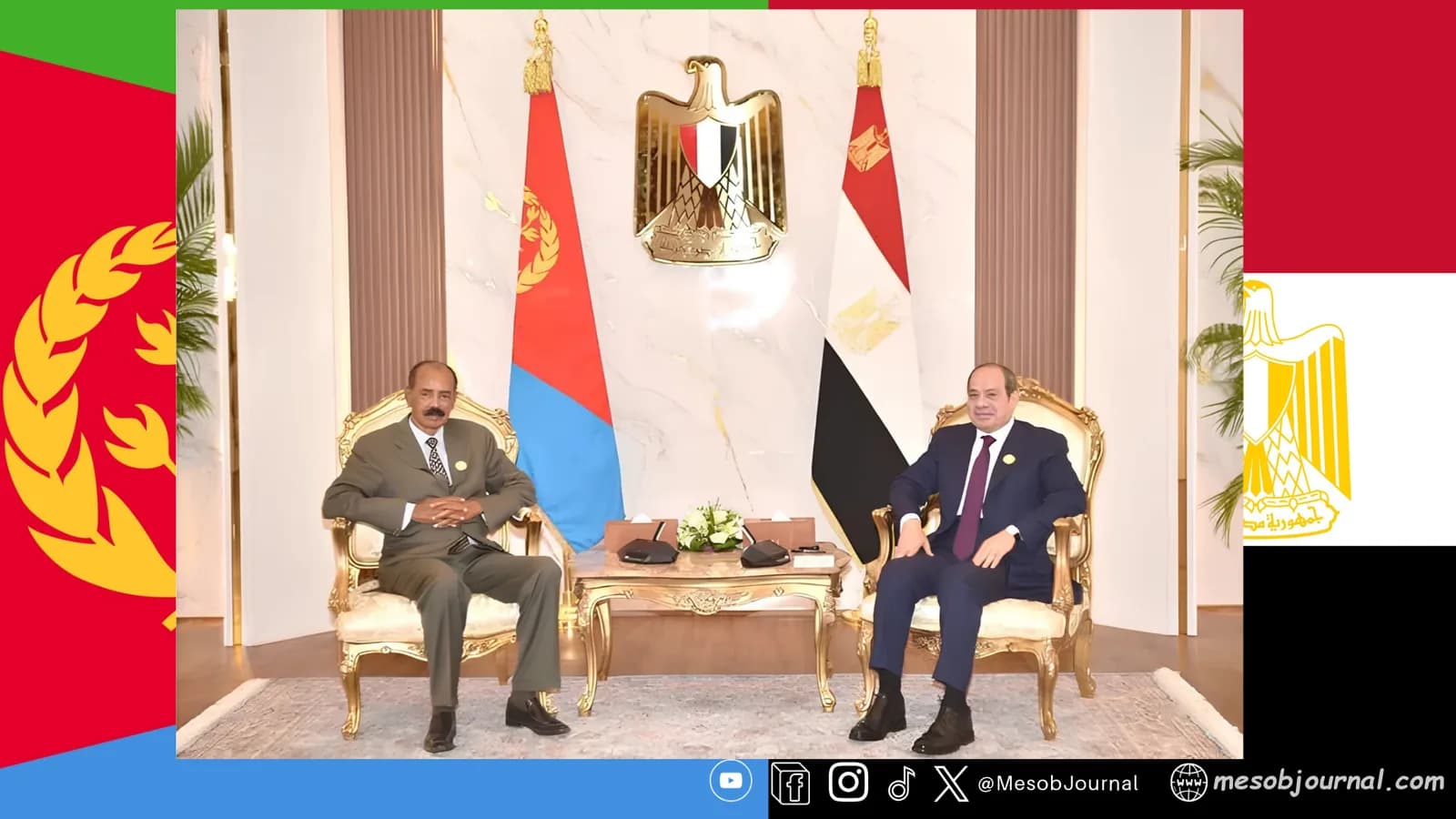
Amid these challenges, the tripartite alliance between Somalia, Eritrea, and Egypt has emerged as a counterbalance to Ethiopia’s blatant actions.
Contrary to detractors’ claims that the alliance is anti-Ethiopian, leaders from the three nations have reiterated its goals of safeguarding Somalia’s sovereignty and promoting regional stability.
On December 23, 2024, Somali Foreign Minister Ahmed Moalim Fiqi announced that Egyptian forces would join the African Union’s ATMIS mission in 2025, marking a strategic elevation in Somalia-Egypt relations.
Egypt’s Foreign Minister Badr Abdelatty further stressed the importance of exclusive coastal nation involvement in Red Sea security, reinforcing the alliance’s shared vision.
Strengthening Somali-Eritrean Ties
During President Mohamud’s visit to Asmara, both leaders reaffirmed their commitment to regional stability. Discussions focused on enhancing Somalia’s security apparatus, with President Mohamud expressing gratitude for Eritrea’s support in training Somali forces.
President Afwerki highlighted the necessity of regional self-reliance and the elimination of external interference, describing the tripartite agreement as a framework for cooperation and stability.
The high-level visit was heiled as “fruitful,” stressing that enduring peace in Somalia is integral to stability in the Horn of Africa, Red Sea, and Arabian Gulf regions.
The meeting also addressed disinformation campaigns, including a debunked BBC report alleging Eritrean threats to Somalia’s diplomatic ties. Eritrea’s swift rebuttal and the BBC’s subsequent apology highlighted the persistent challenges of misinformation in regional politics.
The Path Forward
President Mohamud’s visit underscores Somalia’s resolve to navigate a complex geopolitical landscape while strengthening alliances that prioritize sovereignty and stability. As tensions with Ethiopia persist, the collaboration between Somalia, Eritrea, and Egypt offers a promising blueprint for regional peace.
The international community is urged to recognize Ethiopia’s destabilizing actions and support efforts to ensure lasting stability in the Horn of Africa.
For Somalia, Eritrea, and their allies, the path forward lies in unity, resilience, and a shared commitment to safeguarding their nations from external manipulation.