
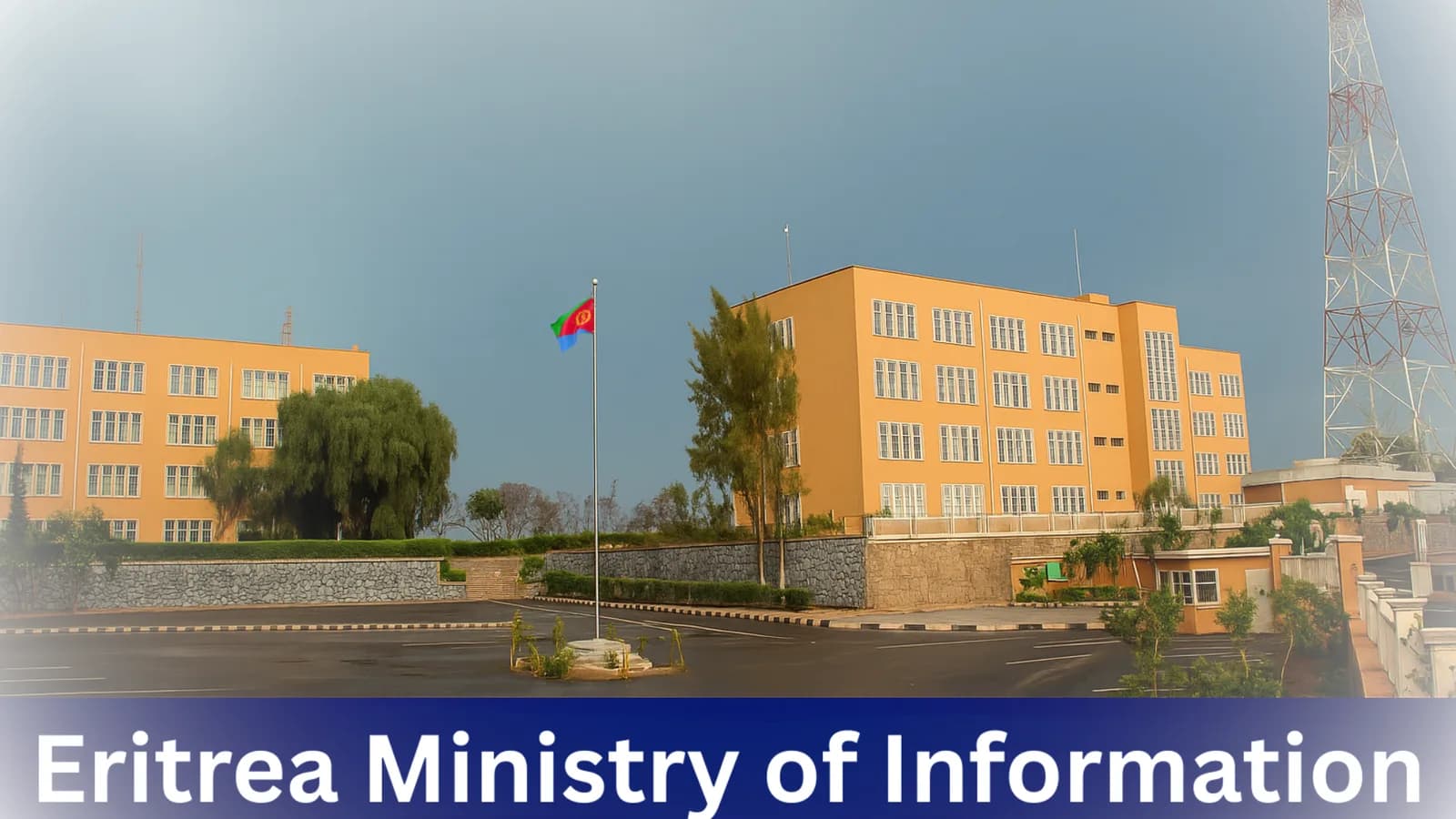
The Eritrean government has issued a pointed and powerful press release exposing what it describes as “floating false flags” by the Ethiopian regime under Prime Minister Abiy Ahmed - a calculated disinformation campaign designed to justify aggression and manufacture consent for war.
In recent days, the Ethiopian regime has launched a diplomatic offensive, sending accusatory letters to the UN Secretary-General and various world leaders, alleging “repeated provocations” and violations of its sovereignty by Eritrea. But according to Asmara, these claims are not only fabricated - they are part of a larger deception strategy aimed at laying the groundwork for another round of destabilizing conflict in the Horn of Africa.
The Real Aggressor
Eritrea’s statement pulls no punches. It highlights that it is not Eritrea, but the Ethiopian regime itself that has, for two years, made inflammatory threats - including openly discussing the takeover of Eritrean ports “legally if possible and militarily if necessary.” That phrase, far from ambiguous, was uttered from the highest echelons of Ethiopia’s ruling Prosperity Party, and has been echoed in state media and policy circles since 2023.
Beyond rhetoric, Eritrea accuses Ethiopia of ramping up military purchases and engaging in subversive activities, all while attempting to pin the blame for rising tensions on its northern neighbor.
And what has Eritrea’s response been? Restraint. Clear-eyed diplomacy. A refusal to be dragged into conflict, even in the face of persistent provocation. When Abiy Ahmed openly signaled a war agenda last October, the Eritrean government issued a statement expressing “dismay” and warning against escalation. “It will not, as ever, be drawn into such alleys,” the government said at the time - a position it maintains today.
Twisting History, Distorting Reality
Eritrea’s release also dismantles the latest accusations as revisionist history. It reminds the world that it was Ethiopia, not Eritrea, that violated international law by occupying Eritrean sovereign territory for nearly two decades after the Algiers Agreement and the final and binding ruling of the Eritrea-Ethiopia Boundary Commission (EEBC) in 2002.
That illegal occupation only ended in 2018, with the signing of the Joint Declaration of Peace and Friendship in Asmara. For Eritrea, that agreement - and the EEBC’s decision - remain sacrosanct. The current Ethiopian government’s ambitions, however, threaten to unravel that hard-won peace.
The Danger of Manufactured Consent
This is not the first time a regime has tried to mask expansionist intentions behind the veil of victimhood. Eritrea calls it what it is: a dangerous lie. The Ethiopian government’s diplomatic blitz - including its appeals to the UN and foreign capitals - is not a call for peace, but a bid to ignite war under false pretenses.
The warning from Asmara is clear: the rising tension is neither organic nor provoked by Eritrea. It is “predicated on the unlawful ambitions of the Ethiopian regime to acquire the sovereign lands and maritime territory of its neighbor.”
The press release ends without bravado, but with a sober truth: Eritrea is not fooled, and neither should the international community be. This is not a time for appeasing lies, but for defending the integrity of international law and regional stability.
"The sling utters a shrill cry while hitting its prey."
— Eritrean proverb reminding us that noise is often a cover for calculated harm.