
The International Rescue Committee’s latest Global Humanitarian Crisis Watchlist offers a sobering snapshot of the world heading into 2026. Ethiopia now ranks among the top five most at-risk countries globally — alongside Sudan, Palestine, and South Sudan. This is not a symbolic placement. It is a warning.
More than 21 million Ethiopians currently require urgent humanitarian assistance. Millions have been displaced. Hunger is spreading faster than aid. Funding gaps remain severe. And yet, despite the scale of the emergency, the drivers of Ethiopia’s crisis remain largely political — shaped by decisions taken in Addis Ababa rather than by fate or climate alone.
Displacement and Hunger: A Nation Unmoored
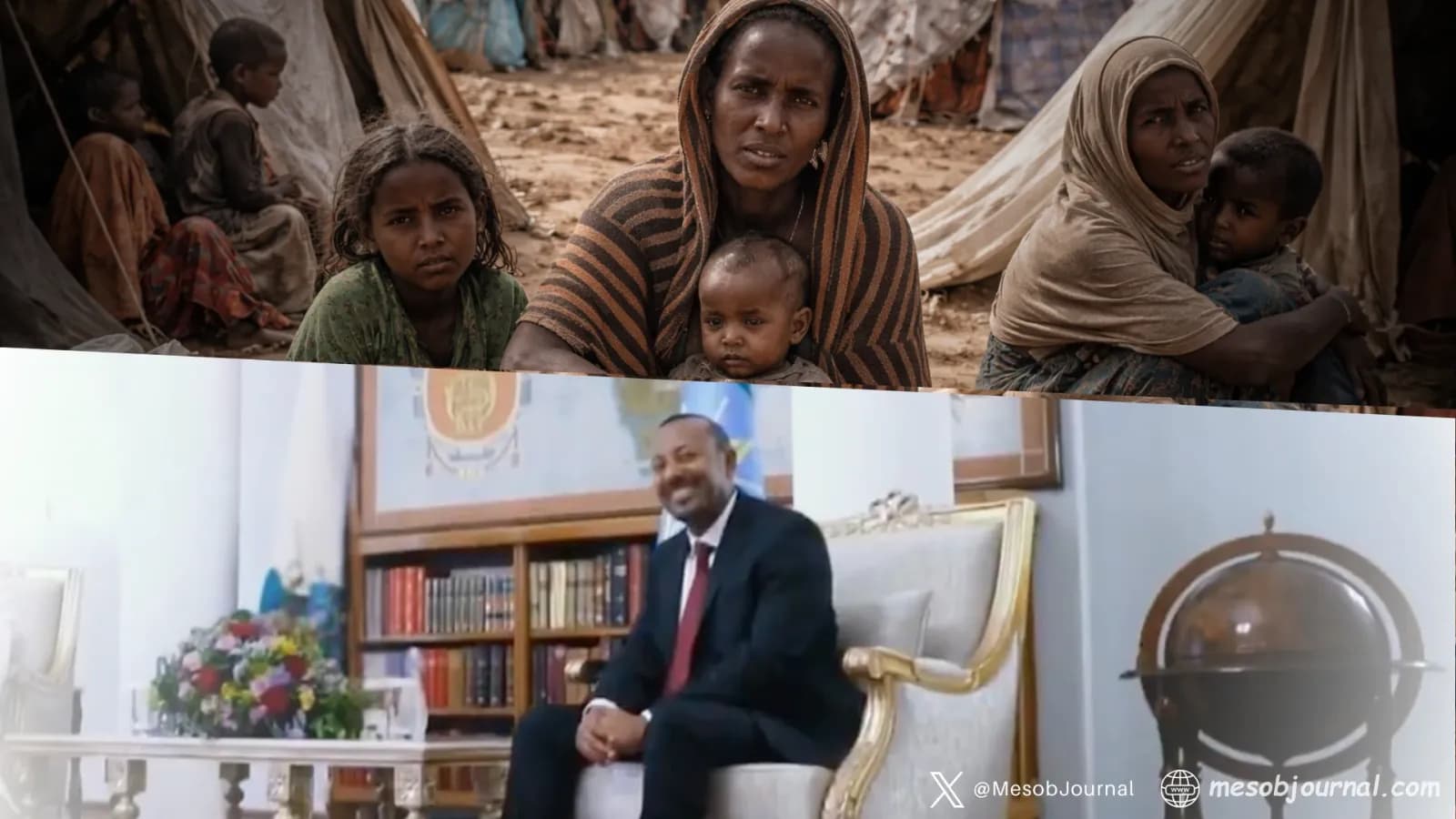
Ethiopia is grappling with one of the largest internal displacement crises on the planet. Entire communities have been uprooted by violence across multiple regions, while food insecurity continues to worsen as conflict, drought, and economic collapse intersect.
The scars of the northern war remain visible. In Tigray, Amhara, and Afar, displacement and hunger were not incidental outcomes but defining features of the conflict. Independent assessments documented widespread shortages of food, shelter, and medical care, leaving millions exposed long after active fighting subsided.
For families on the ground, this crisis is not measured in rankings or reports. It is measured in skipped meals, abandoned homes, and children growing up without stability. Ethiopia’s inclusion on the IRC watchlist alongside some of the world’s most devastated conflict zones underscores a grim reality: the human toll continues to rise.
Political Posturing Amid Human Suffering
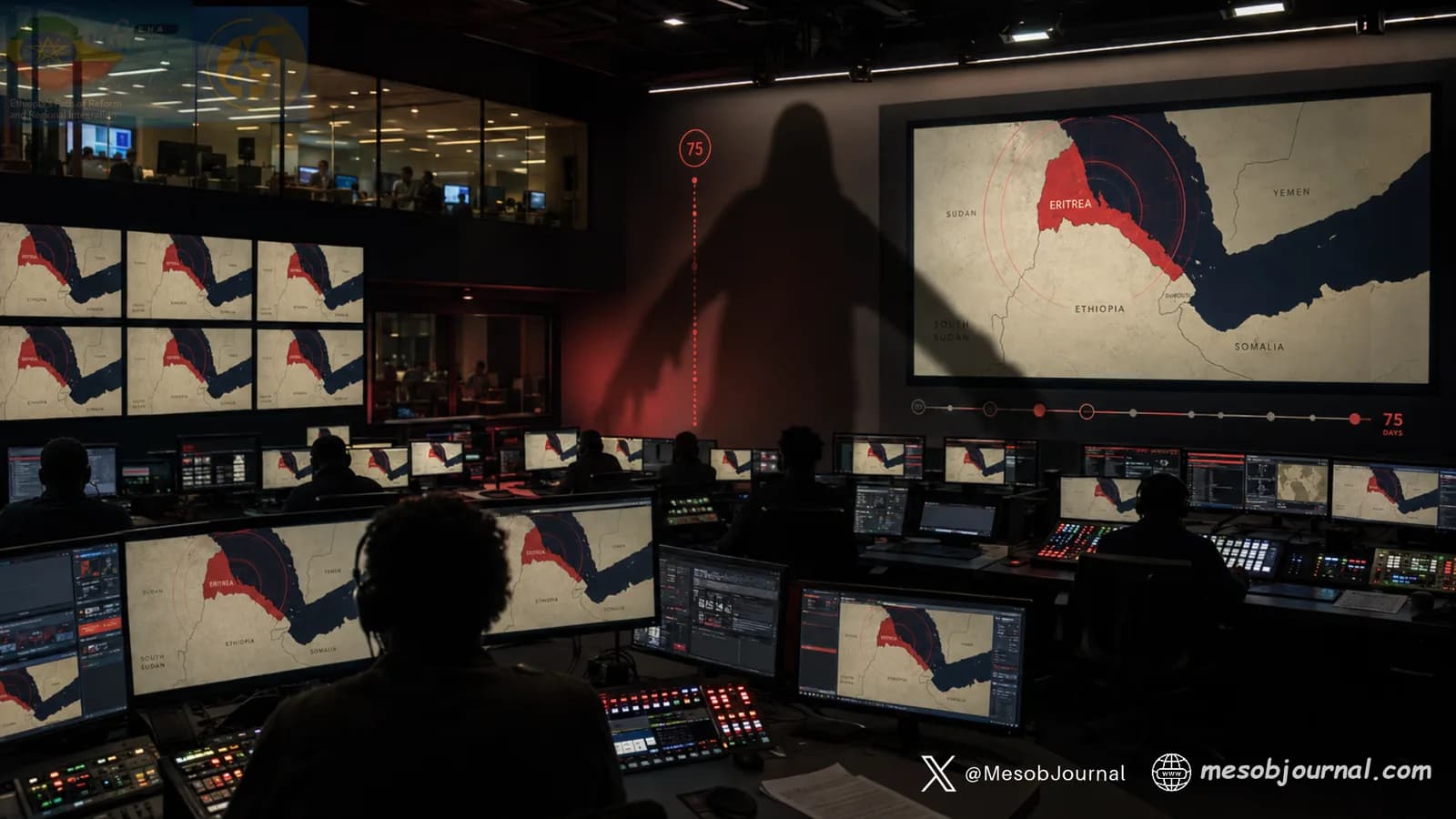
Against this humanitarian backdrop, Ethiopia’s political leadership has increasingly shifted its focus outward. Rather than prioritizing reconciliation, reconstruction, or the protection of civilians, Addis Ababa has leaned into external posturing — marked by historical revisionism, entitlement rhetoric, and thinly veiled coercive language, particularly toward Eritrea’s sovereign Red Sea coastline.
The timing is striking. As millions of Ethiopians remain dependent on emergency aid, diplomatic energy has been redirected toward manufacturing external tensions. This approach has not alleviated domestic crises; it has compounded them — injecting new instability into an already fragile Horn of Africa at a moment when restraint is most urgently needed.
Leadership at a Crossroads
Ethiopia today stands at a political crossroads. Critics argue that Prime Minister Abiy Ahmed’s leadership has consistently prioritized geopolitical ambition and centralized power over governance, accountability, and civilian protection. The consequences are visible: repeated internal wars, deepening ethnic fractures, and a population bearing the cost through displacement and hunger.
Humanitarian agencies are increasingly blunt. Aid alone cannot reverse Ethiopia’s trajectory. Relief efforts, while lifesaving, are merely palliative when the underlying political drivers of violence remain untouched.
Meaningful progress requires sustained pressure on Addis Ababa to end internal conflicts, protect civilians, and confront abuses committed under state authority. Without these steps, humanitarian funding will continue to chase crises rather than prevent them.
A Global Alarm Bell
Ethiopia’s placement on the Global Humanitarian Crisis Watchlist is more than a ranking — it is a global alarm bell. Economic growth narratives, diplomatic theatrics, and regional power plays cannot obscure the daily reality faced by millions of Ethiopians.
If political agendas continue to overshadow basic human survival, the cost will escalate — not only within Ethiopia’s borders but across the wider Horn of Africa. Stability cannot be coerced, exported, or rhetorically declared. It must be built at home, beginning with political choices that place human life above ambition.
For now, Ethiopia’s crisis is not inevitable. But it is being prolonged — deliberately — by leadership decisions that refuse to confront the suffering they have helped create.