
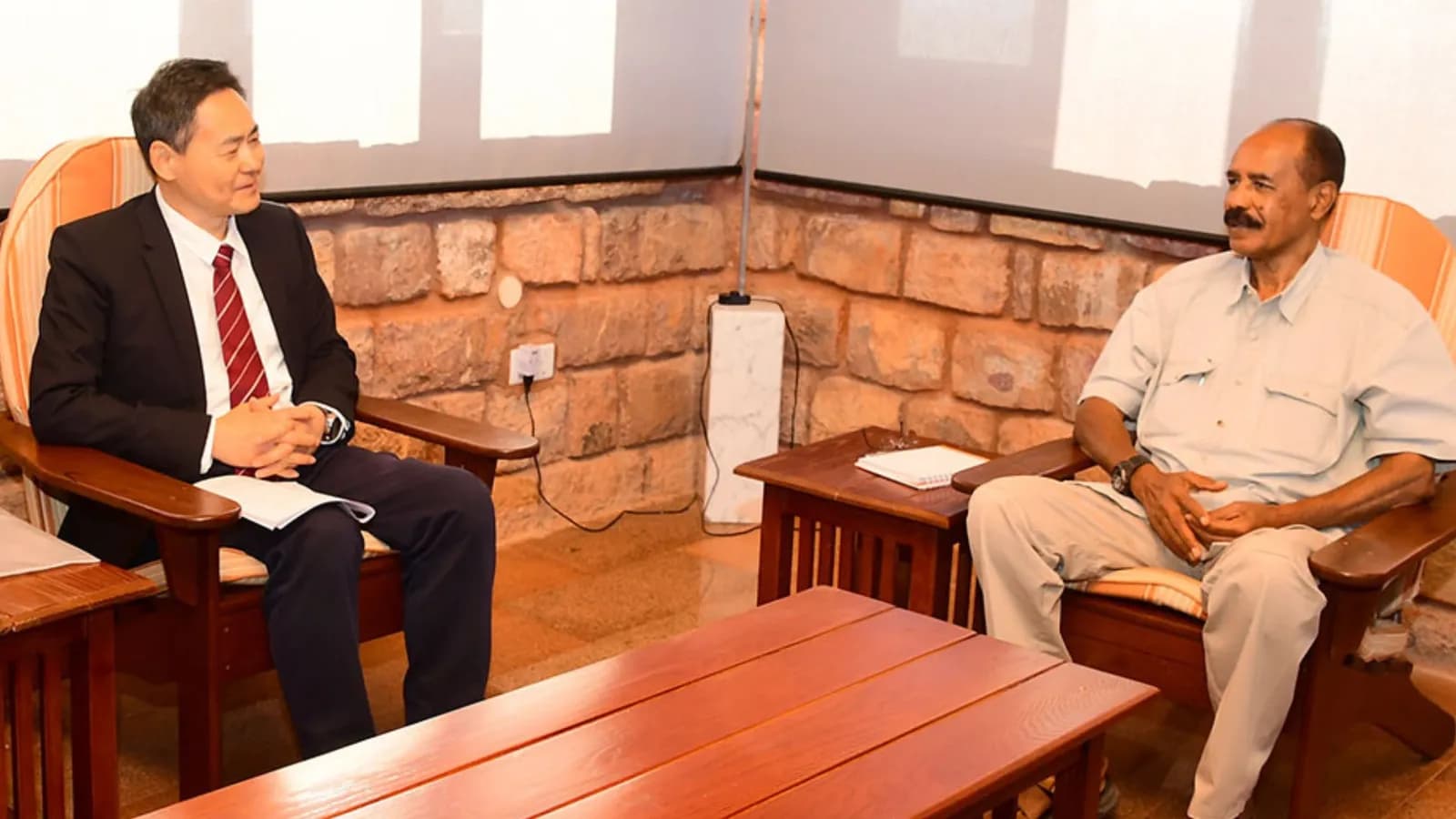
An important step forward in bilateral relations between China and Eritrea was marked yesterday on Dec. 21 2024 as President Isaias Afwerki met with Ambassador Xue Bing, China’s Special Envoy to the Horn of Africa, at Adi Halo.
Their discussions centered on enhancing cooperation in security and development, with a shared vision for addressing regional challenges and advancing mutual goals.
The dialogue reflected a deep alignment between the two nations on critical issues, as both sides reiterated their commitment to fostering peace, stability, and sustainable development across the Horn of Africa.
Key topics included the implementation framework of development programs agreed upon during the China-Africa Summit, a strategic platform designed to strengthen partnerships across the continent.
Ambassador Xue Bing highlighted China’s steadfast support for Eritrea’s national priorities, stressing that Beijing is fully committed to tailoring its assistance to Eritrea’s developmental agenda. This collaboration, he noted, extends to promoting regional stability in the Horn of Africa through both diplomatic engagement and targeted security initiatives.
In a statement to Eritrean media, Ambassador Xue underscored the convergence of perspectives between China and Eritrea on regional and international issues.
He described the discussions as “in-depth and fruitful,” noting that both countries are united in their strategic approach to navigating global challenges while prioritizing the interests of the Horn of Africa.
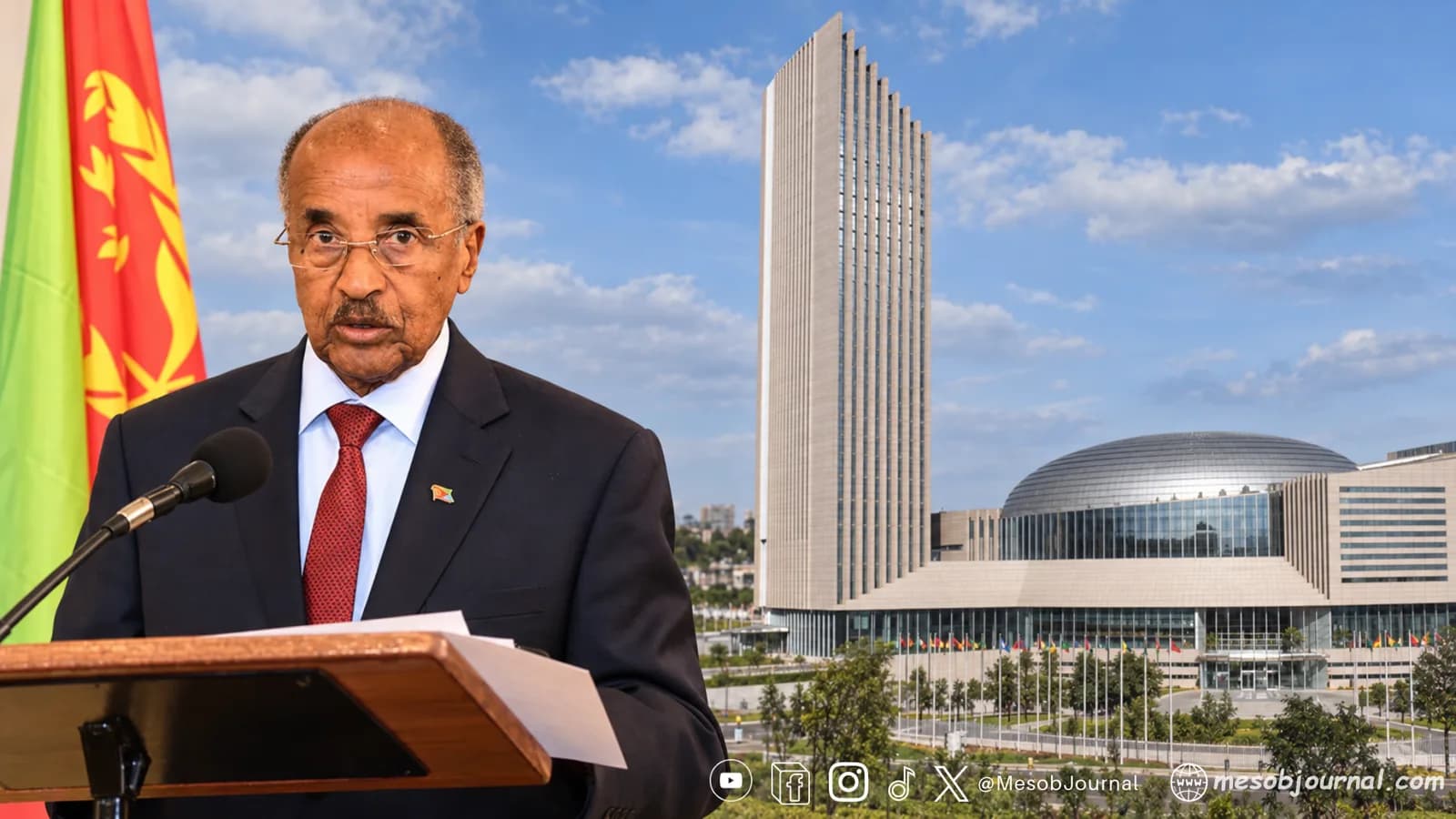
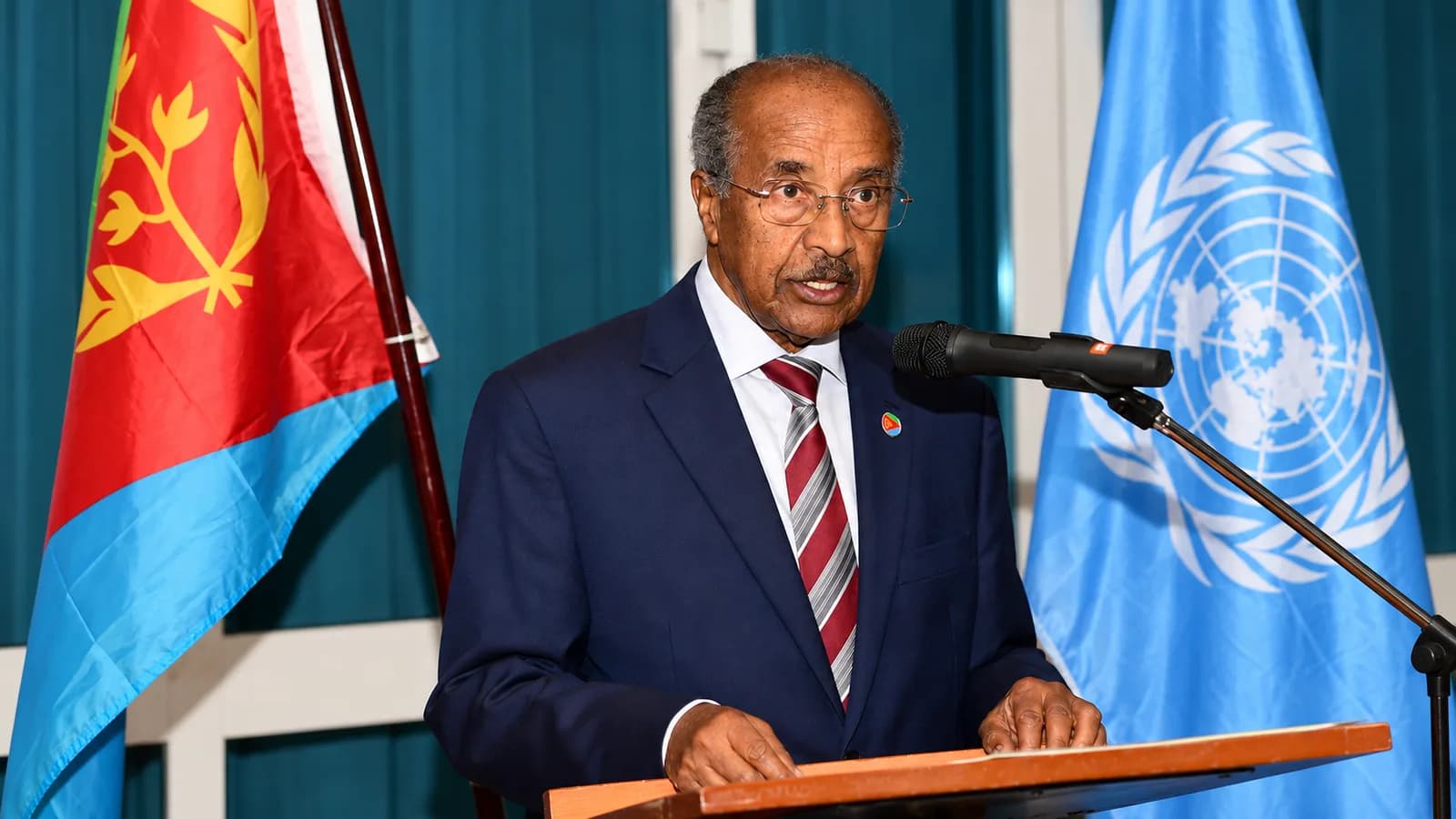
The meeting was attended by Eritrea’s Minister of Foreign Affairs, Mr. Osman Saleh, and the Chinese Ambassador to Eritrea, Mr. Li Xiang, underscoring the high-level nature of the bilateral engagement.
Ambassador Xue’s visit follows a similar trip in April 2024, where fruitful discussions laid the groundwork for the current framework.
The Chinese Embassy in Eritrea has consistently highlighted the progress achieved under the leadership of President Isaias Afwerki and Chinese President Xi Jinping, particularly in advancing the outcomes of the Forum on China-Africa Cooperation (FOCAC).
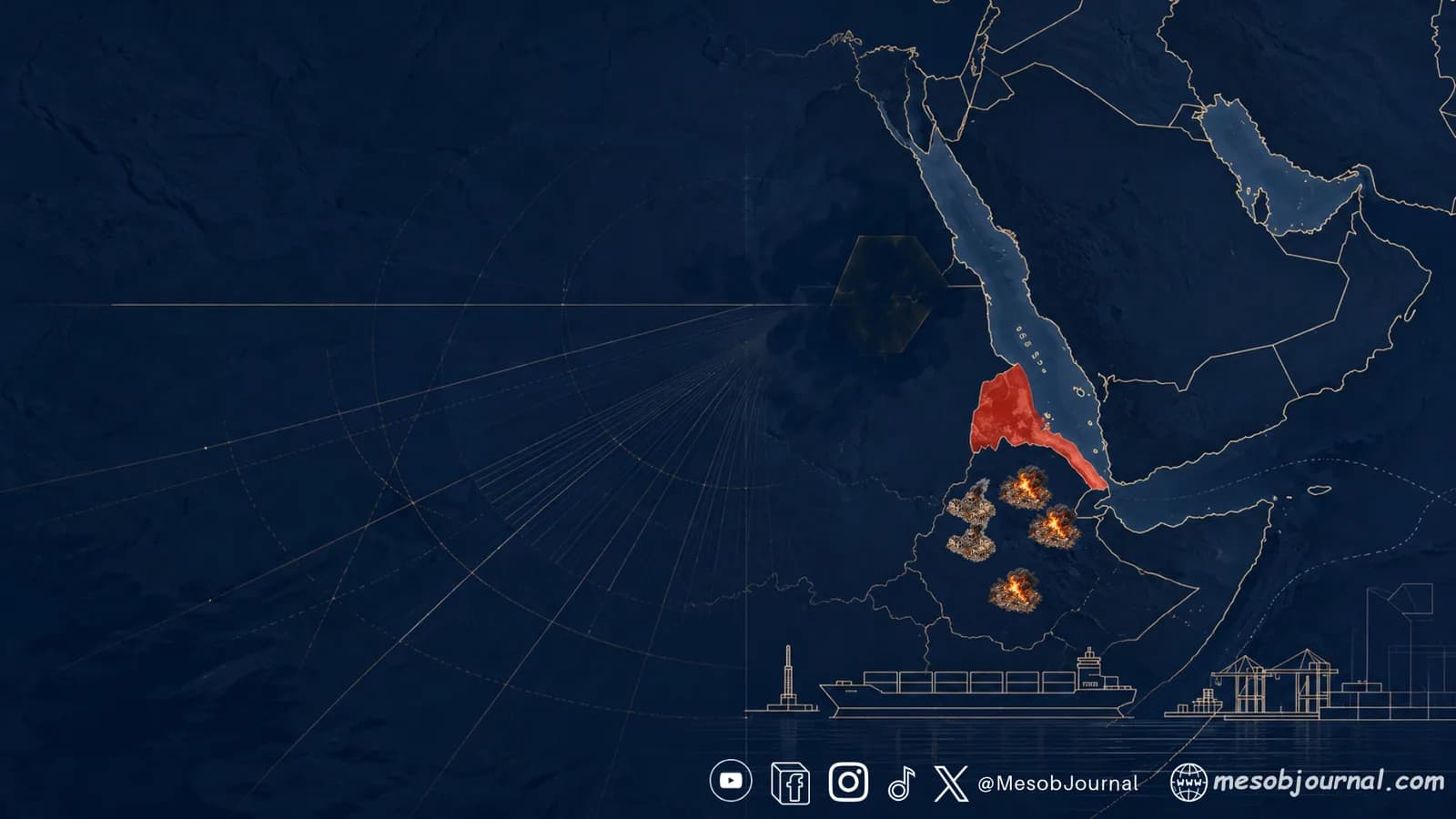
Eritrea’s strategic importance in the Horn of Africa makes it a key player in fostering regional stability and development. With China’s proactive engagement, this partnership has the potential to redefine collaborative models for addressing security challenges and promoting economic growth across the region.
As the Horn of Africa faces complex geopolitical and developmental challenges, the deepening ties between China and Eritrea offer a blueprint for international partnerships grounded in mutual respect and shared objectives.
The outcomes of yesterday’s meeting reaffirm the strength of their relationship and signal a brighter, more cooperative future for the region.