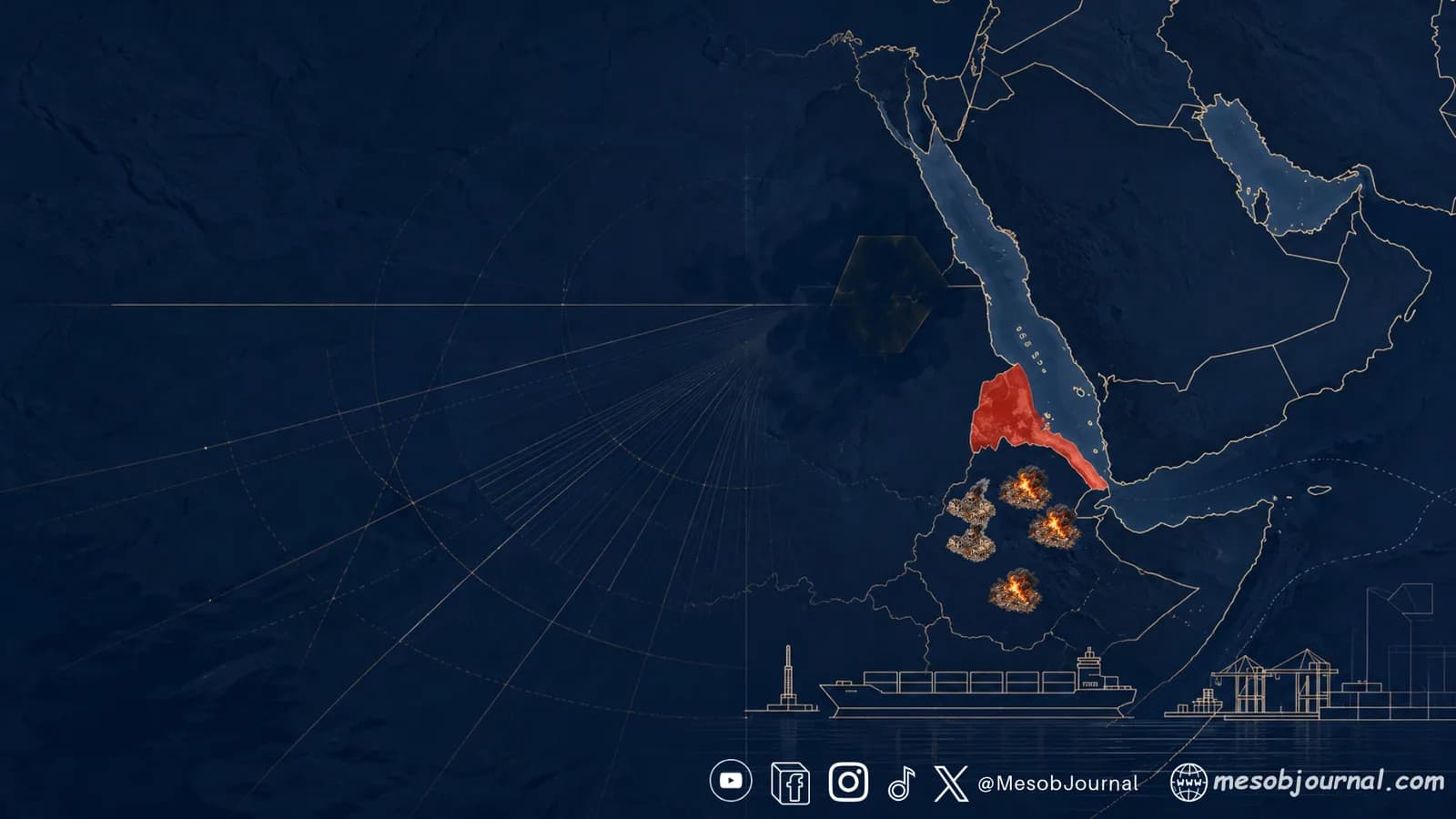


In a striking shift of focus, Ethiopian Prime Minister Abiy Ahmed's media apparatus has turned its attention towards Eritrea, escalating narratives that suggest potential economic and territorial ambitions.
This pivot comes in the aftermath of the Ankara Accord signed between Somalia and Turkey, which has reportedly derailed Ethiopia's Memorandum of Understanding (MoU) with Somaliland. The MoU was initially seen as a cornerstone of Abiy Ahmed's regional strategy and a calculated distraction from mounting internal crises, including the ongoing conflict in the Amhara region.
Ankara Accord: A Blow to Ethiopia’s Regional Strategy
The Ankara Accord has significantly altered the geopolitical landscape of the Horn of Africa, effectively undermining Ethiopia’s MoU with Somaliland. The MoU was pivotal in Abiy Ahmed’s efforts to shift public discourse away from Ethiopia’s internal turmoil.
With the accord consolidating Somalia’s position and neutralizing Ethiopia’s influence in Somaliland, Abiy Ahmed’s administration now faces a strategic void in its regional ambitions.
Propaganda Machine Targets Eritrea
In response to these setbacks, Ethiopian state media has pivoted to an aggressive campaign against Eritrea. The narrative stresses the potential economic benefits for Ethiopia in seizing control of Eritrean ports such as Assab and Massawa.
Analysts interpret this as a "pipe dream" and as a bid to redirect attention from the growing domestic unrest and international criticism of Abiy Ahmed’s administration.
"Abiy Ahmed lacks authority over the Amhara region and Tigray, so it’s unlikely he could launch any meaningful attack against Eritrea," says an expert on Horn of Africa politics. "His military is overstretched, under-resourced, and lacks the logistical capacity for a serious offensive. This talk of aggression is simply a diversion from the MoU, which has been effectively nullified by the Ankara Accord. It’s an attempt to deceive his followers and shift attention away from his internal struggles."
The media campaign has been characterized by historical revisionism, including a misleading portrayal of Eritrea’s colonial past and its sovereign ownership of its coastline. Claims of Ethiopia’s "historical or rightful" entitlement to Eritrean ports are being amplified, fueling speculation about Ethiopia’s intentions in the region.
War Drums and Economic Justifications
The promotion of a militaristic and expansionist agenda has raised alarms among regional observers. While Ethiopia's state media frames the potential seizure of Eritrean ports as an economic boon, critics point out the political, ethical, and legal ramifications of such a move.
International law firmly supports Eritrea’s sovereignty, and any aggressive action could provoke widespread condemnation and destabilize an already volatile region.
Diversion from Internal Chaos
This latest media narrative underscores Abiy Ahmed’s recurring reliance on external diversions to mask Ethiopia’s domestic crises. The ongoing conflict in Amhara, coupled with rising political dissent and economic instability, has eroded the administration’s credibility.
By redirecting focus to Eritrea, Abiy Ahmed appears to be deploying a strategy aimed at rallying nationalist sentiment while deflecting from his administration’s internal failures.
Regional Implications
Experts warn that Ethiopia’s rhetoric risks exacerbating tensions in the Horn of Africa. Eritrea, a nation with a history of resilience against foreign aggression, is unlikely to yield to such provocations.
Moreover, the international community is closely monitoring the situation, with potential consequences for Ethiopia’s diplomatic standing.
Risk of Regional Destabilization
The shift in Ethiopia’s state media narrative to target Eritrea reflects a deepening pattern of diversion from pressing internal and external challenges.
As Abiy Ahmed’s administration continues to grapple with its faltering domestic and regional policies, the specter of heightened tensions looms large over the Horn of Africa.
Whether this propaganda campaign will succeed in its intended diversion remains to be seen, but the potential for regional destabilization is undeniable.