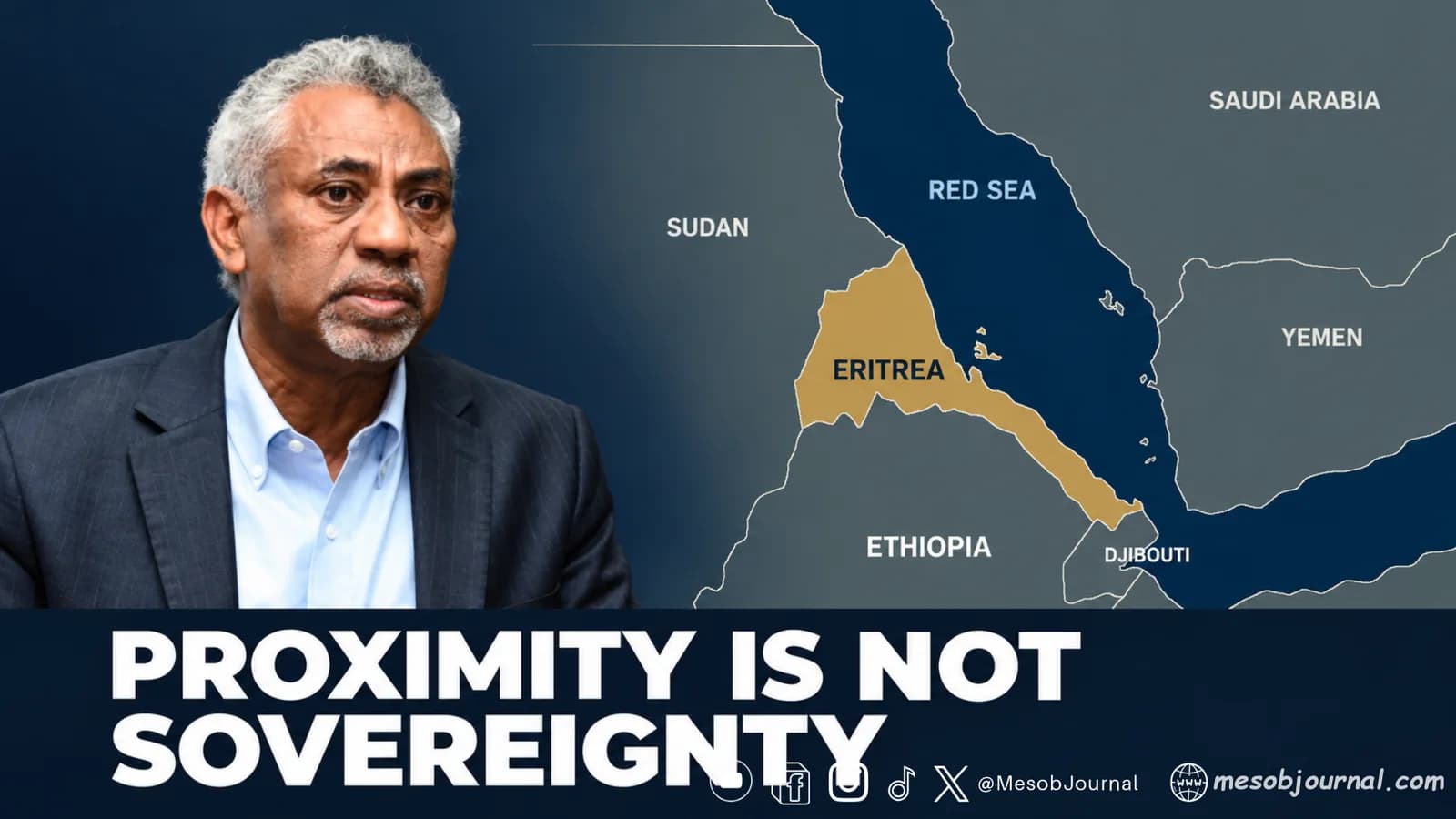

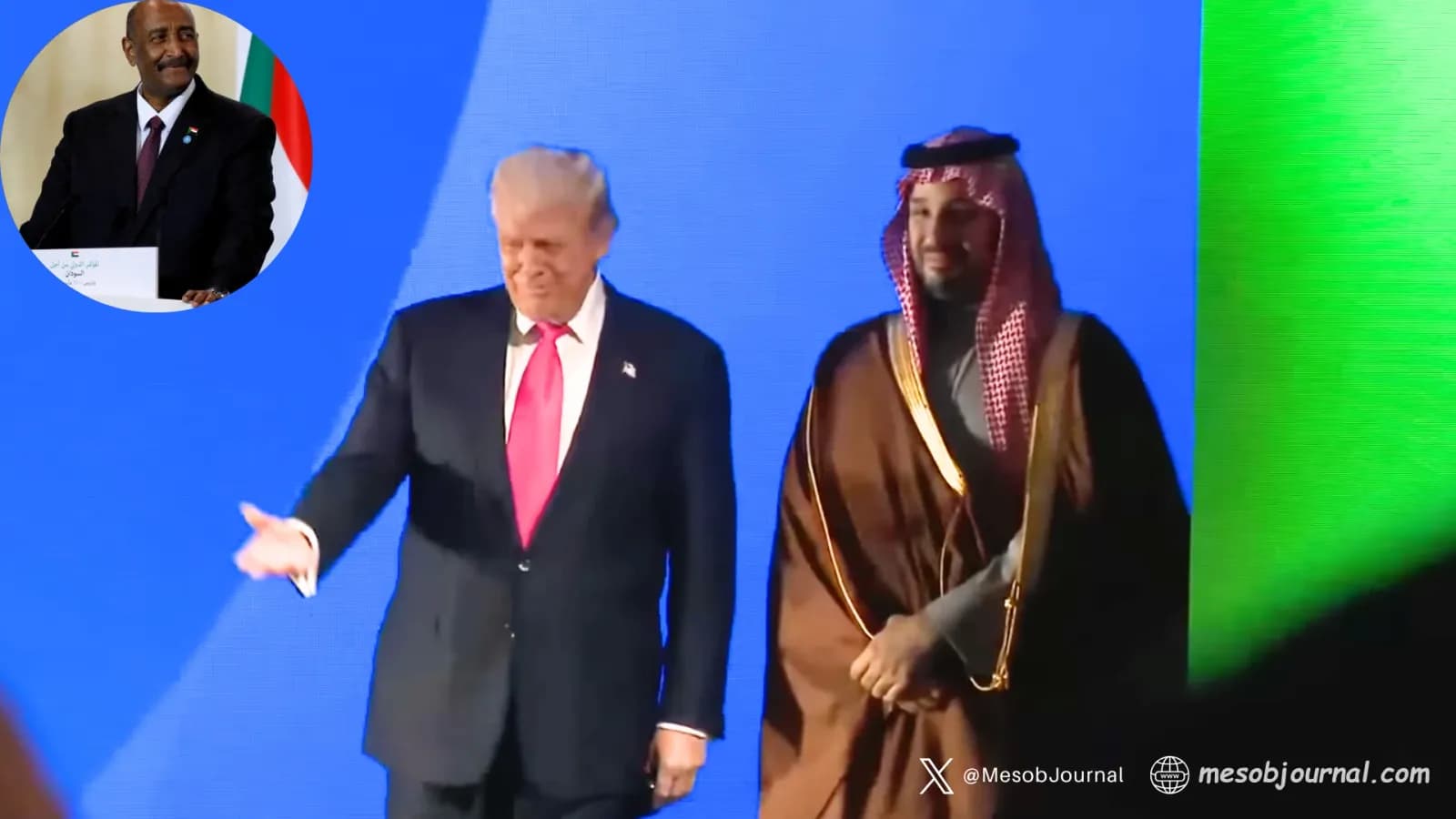
The recent announcement by President Donald J. Trump at the urging of Saudi Crown Prince Mohammed bin Salman to engage in Sudan’s peace process marks a notable shift in international attention. For a war that has displaced millions, decimated cities, and triggered what the United Nations calls the world’s worst humanitarian crisis, any effort toward resolution is welcome.
But let us be clear: peace without justice is not peace at all.
As a coalition advocate deeply engaged in Sudanese and Horn of Africa affairs, I recognize the strategic weight of Saudi Arabia’s involvement and the symbolic power of U.S. engagement. Yet I also recognize the danger of diplomacy that prioritizes optics over accountability. Sudan is not a diplomatic trophy. It is a wounded nation whose people deserve more than handshakes and headlines.
Condemning Atrocities Naming the Perpetrators
The paramilitary Rapid Support Forces (RSF), backed by the United Arab Emirates, have committed unspeakable crimes. In Darfur, El Geneina, Nyala, and beyond, civilians have been massacred, women raped, villages burned, and entire communities ethnically cleansed. These are not collateral tragedies , they are deliberate acts of terror, and they must be named as such.
The RSF and its foreign sponsors must be condemned unequivocally. The international community including the United Nations, African Union, and European Union must move beyond vague calls for peace and issue formal denunciations of these atrocities. Silence is complicity. Diplomacy without accountability is betrayal.
Reclaiming African Sovereignty
Sudan’s future must be shaped by Sudanese hands. Resistance committees, women’s groups, youth organizers, and civil society leaders have risked everything to demand freedom. Their voices must be central not sidelined by foreign envoys or elite power brokers.
We call on the African Union and IGAD to reassert leadership, ensuring that any peace framework is rooted in African values, justice mechanisms, and survivor-led reconciliation. Sudan is not a Gulf proxy. It is a sovereign nation whose dignity must be defended.
A Call to Action
To President Trump and Crown Prince MBS: If your initiative is sincere, let it begin with truth. Condemn the RSF. Pressure the UAE to cease its support. Demand humanitarian access. And most importantly, listen to Sudanese voices, not just generals and diplomats.
To the international community: Stand with Sudan not just in diplomacy, but in moral clarity. Justice is not a footnote. It is the foundation of peace.
To the Sudanese people: Your courage is our compass. Your resilience is our rallying cry. We will not let your suffering be negotiated away.