
The Horn of Africa has long been a region marked by political instability, territorial disputes, and power struggles. However, few actors have actively sought to manipulate and exacerbate these tensions quite like Ethiopia’s Prime Minister, Abiy Ahmed.
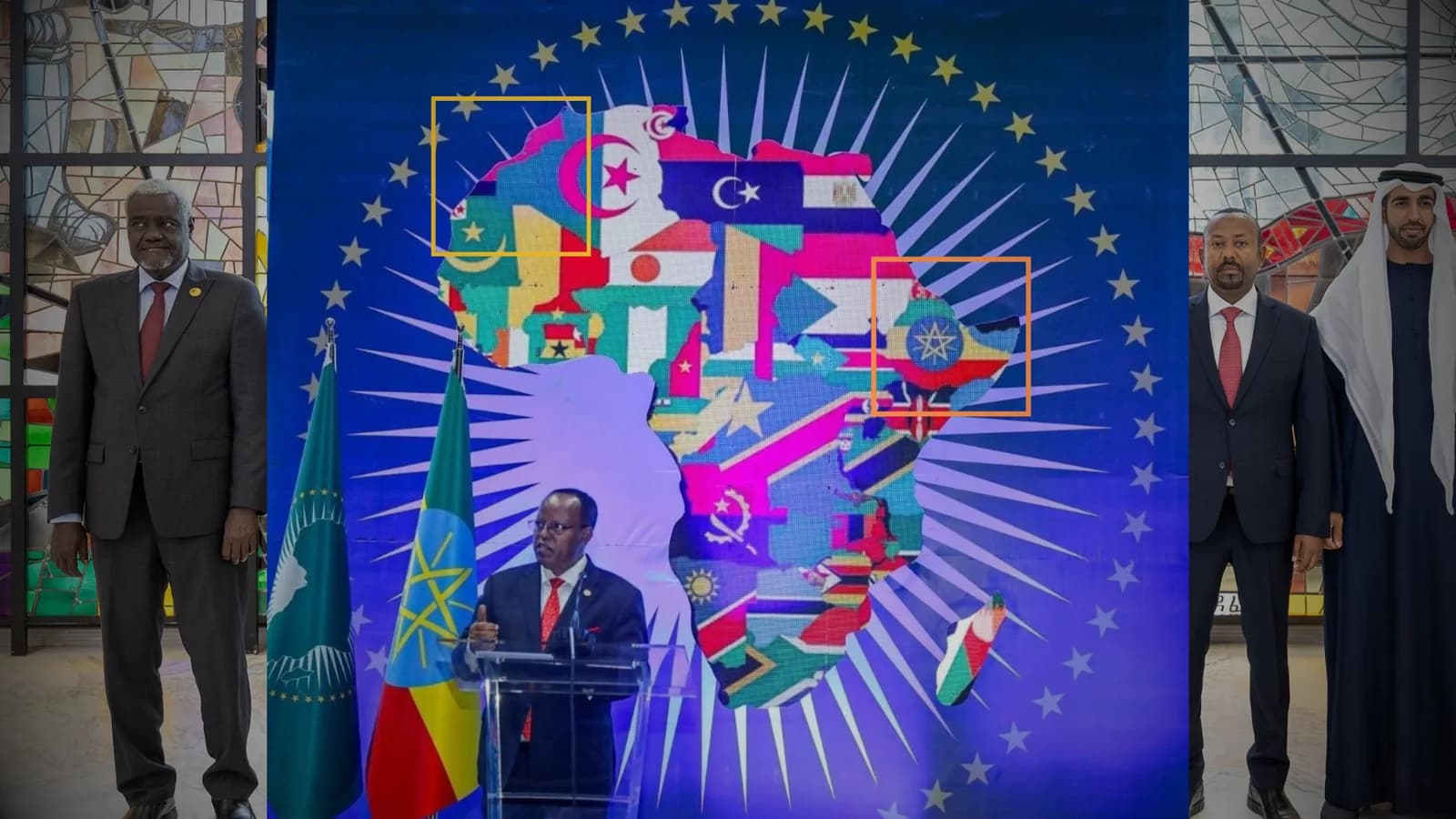
In his latest provocation, the Ethiopian government displayed a controversial map during an African Union (AU) executive council session at its Addis Ababa headquarters. The map, supposedly meant to showcase the continent with each nation’s flag over its respective territory, instead depicted Ethiopia claiming portions of Somalia, Djibouti, and Eritrea within its borders, while also wrongly attributing parts of Morocco to Algeria.
This deliberate cartographic aggression is not an isolated incident but part of a larger pattern of regional destabilization efforts by Abiy Ahmed’s administration.
Ethiopia’s Hegemonic Aspirations: The “Israel of Africa”
Ethiopia has been labeled by some critics as the “Israel of Africa” due to its expansionist tendencies and strategic alignments with global powers that prioritize regional dominance over genuine African unity.
Historically, Ethiopia has acted as a satellite state to various external actors, shifting its allegiance from the United Kingdom (1940s-1950s) to the United States (1950s-1970s), then to the Soviet Union (1977-1991), back to the United States and UK (1991-2018), and most recently, to the United Arab Emirates (2018-present).
Rather than fostering genuine regional integration, these alliances have only fueled internal strife, economic hardship, and political chaos within Ethiopia itself. Yet, despite the lessons of history, Abiy Ahmed’s regime remains committed to rewriting narratives and manipulating facts to serve its hegemonic ambitions.
Distraction Tactics: Using External Claims to Mask Internal Collapse
Ethiopia is, by all measures, a country in crisis. Internal ethnic tensions, the war on Amhara region, political assassinations, and a fragile economy have left the nation teetering on the edge of disintegration.
To divert attention from these mounting problems, Abiy Ahmed has increasingly turned to external provocations, such as his regime’s blatant claims of “historical rights” to access the Red Sea and persistent threats against neighboring states.
By inflaming nationalist sentiment and pursuing irredentist policies, he seeks to rally domestic support in vain while destabilizing the region.
The African Union’s Complicity: Time for Relocation and Reform
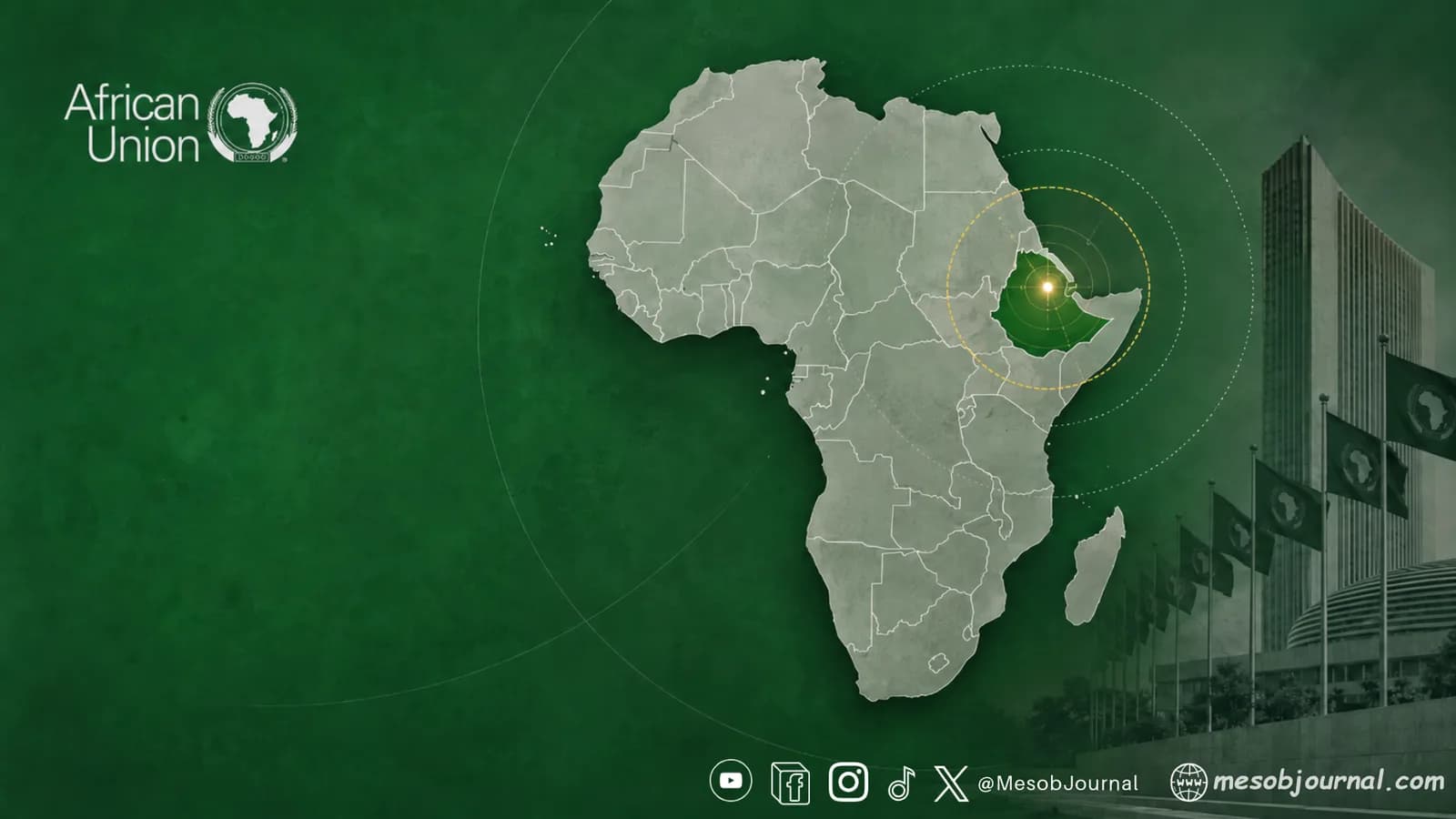
While Ethiopia’s actions are undoubtedly concerning, the real tragedy lies in the African Union’s continued tolerance of such behavior. The AU, which is headquartered in Addis Ababa, is meant to be a beacon of peace, unity, and progress for the continent.
Yet, it remains compromised, sitting in a country with a long history of regional aggression, internal oppression, and servitude to foreign powers. The very seats of the AU are tainted by blood, hunger, torture, and massive inhumanity.
Ethiopia is by far not a fitting host for an organization that claims to represent the aspirations of African people. The AU must seriously consider relocating its headquarters to a more neutral, stable, and truly pan-African country - one that prioritizes continental unity over external influence.
Furthermore, the AU is long overdue for reforms that are independent of foreign dictation. It must transform itself into an institution that serves the interests of African people rather than the hegemonic ambitions of a few rogue states and their external backers.
A Call for a Unified Africa
The time has come for Africa to reject manipulative leaders who use propaganda, cartographic aggression, and military threats to undermine regional peace. Abiy Ahmed’s government is a prime example of how not to govern - by prioritizing expansionist ambitions over domestic stability, Ethiopia risks further chaos and destruction.
However, the greater responsibility lies with African leaders and institutions, particularly the AU, to stand against such destabilizing tactics and work toward a future where Africa is united, independent, and free from external interference.
The Horn of Africa deserves peace, and the continent deserves leadership that prioritizes African interests above all else. The world is watching. It is time for Africa to act.