
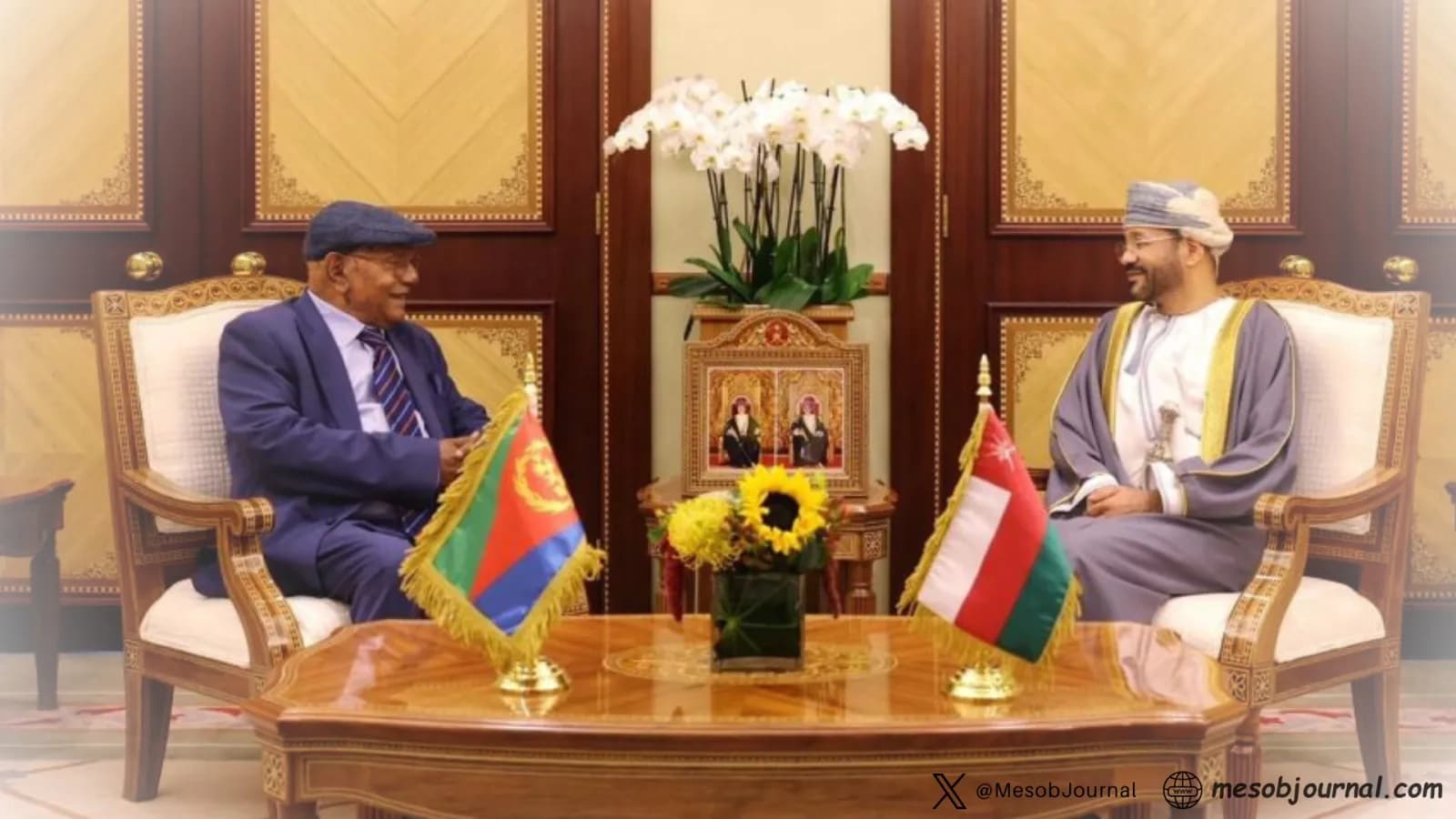
Eritrea and the Sultanate of Oman have agreed to strengthen bilateral trade and investment cooperation, following high-level talks held in Muscat between senior government officials from both nations.
The Eritrean delegation, led by Mr. Nusreddin Mohamed Saleh, Minister of Trade and Industry, and Mr. Hagos Ghebrehiwet, Head of Economic Affairs of the People’s Front for Democracy and Justice (PFDJ), held extensive discussions with Mr. Qais bin Mohammed Al Yousef, Oman’s Minister of Commerce, Industry and Investment Promotion, and Mr. Badr bin Hamad Al Busaidi, Minister of Foreign Affairs.
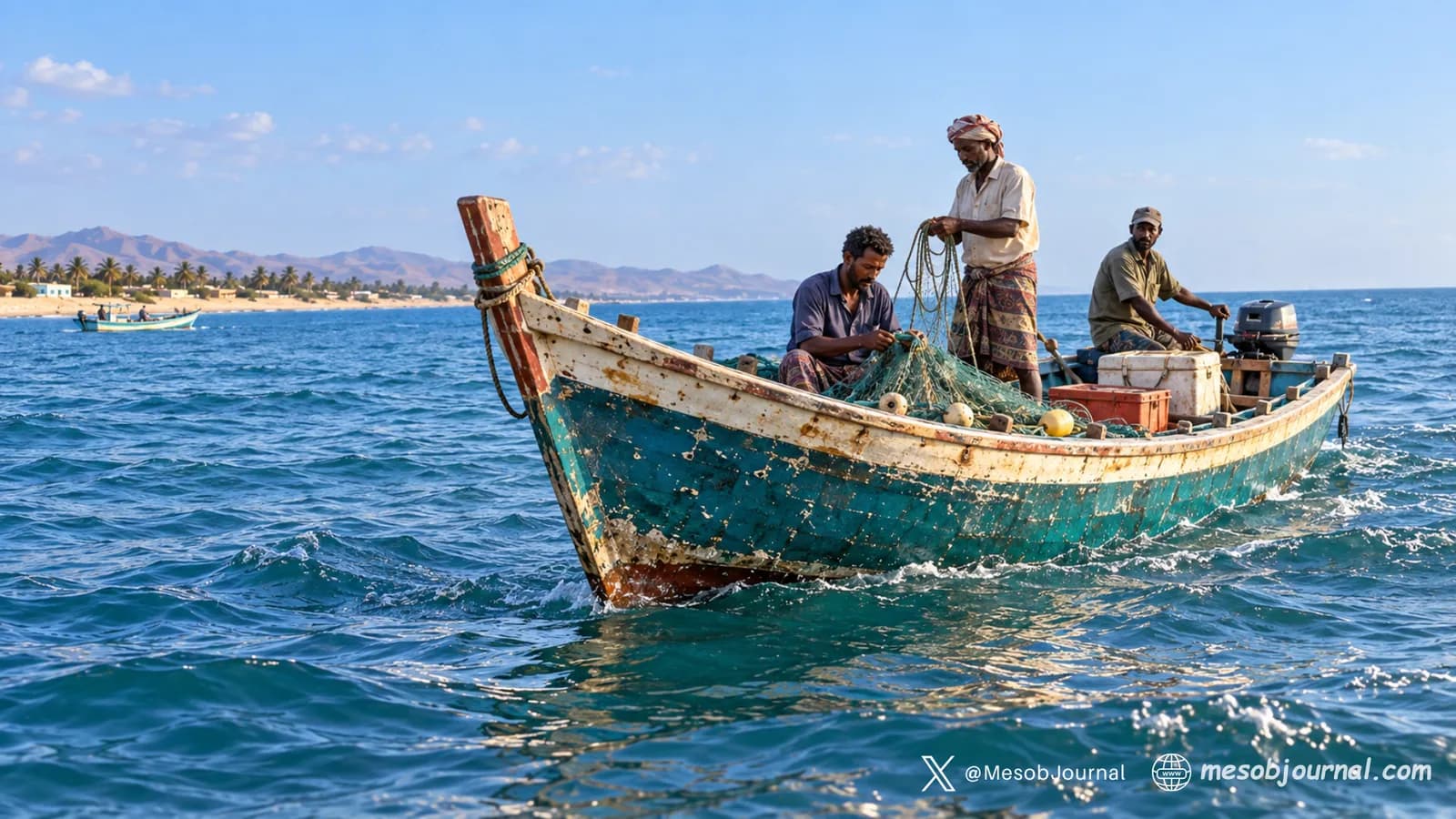
According to both sides, the meetings focused on expanding cooperation across multiple sectors — including mining, agriculture, fisheries, transport, telecommunications, tourism, and labor — as part of a shared vision for sustainable economic growth and regional stability.
Oman’s Ministry of Foreign Affairs described the engagement as “a reaffirmation of the longstanding friendship and cultural ties” between the two nations, emphasizing their intent to explore “new avenues of partnership that bring mutual benefit to the peoples of both countries.”
The Eritrean delegation’s visit — lasting two days — includes additional consultations with Omani government agencies and private sector leaders to explore direct investment, trade facilitation, and industrial cooperation.
Both Asmara and Muscat share a deep historical and cultural connection rooted in Red Sea maritime heritage and centuries of exchange across the Arabian Peninsula and the Horn of Africa. This renewed engagement reflects Eritrea’s ongoing effort to diversify economic partnerships within the region and to promote balanced, sovereignty-respecting cooperation.
Observers note that the meeting also comes amid Eritrea’s broader push to revitalize its trade networks and expand partnerships with Gulf and Asian economies, positioning itself as a reliable and strategically located partner along one of the world’s most vital maritime routes.
As the discussions in Muscat conclude, both countries appear poised to translate shared intent into tangible cooperation — a quiet but significant step toward greater regional connectivity and investment-driven development.