
In a region often marked by turbulence, Eritrea has emerged as a beacon of stability, resilience, and human development. Despite facing external pressures and misrepresentations, the East African nation continues to make remarkable strides in key areas such as education, healthcare, and national security, positioning itself as a unique success story on the continent.
A Champion of Stability in the Horn of Africa
While the Horn of Africa grapples with conflicts and political upheavals, Eritrea has managed to uphold peace and security within its borders.
The country’s ability to maintain internal stability, even amid external hostilities, is a testament to its strong governance and national unity. Eritrea has consistently demonstrated its commitment to regional cooperation, engaging with neighboring states to promote security and economic collaboration.
Eritrea’s strategic partnerships, particularly with Somalia, Egypt, Sudan and other African nations, highlight its role as a stabilizing force. The country has been actively involved in regional dialogues and initiatives aimed at fostering lasting peace in the Horn of Africa.
Progress in Education and Healthcare
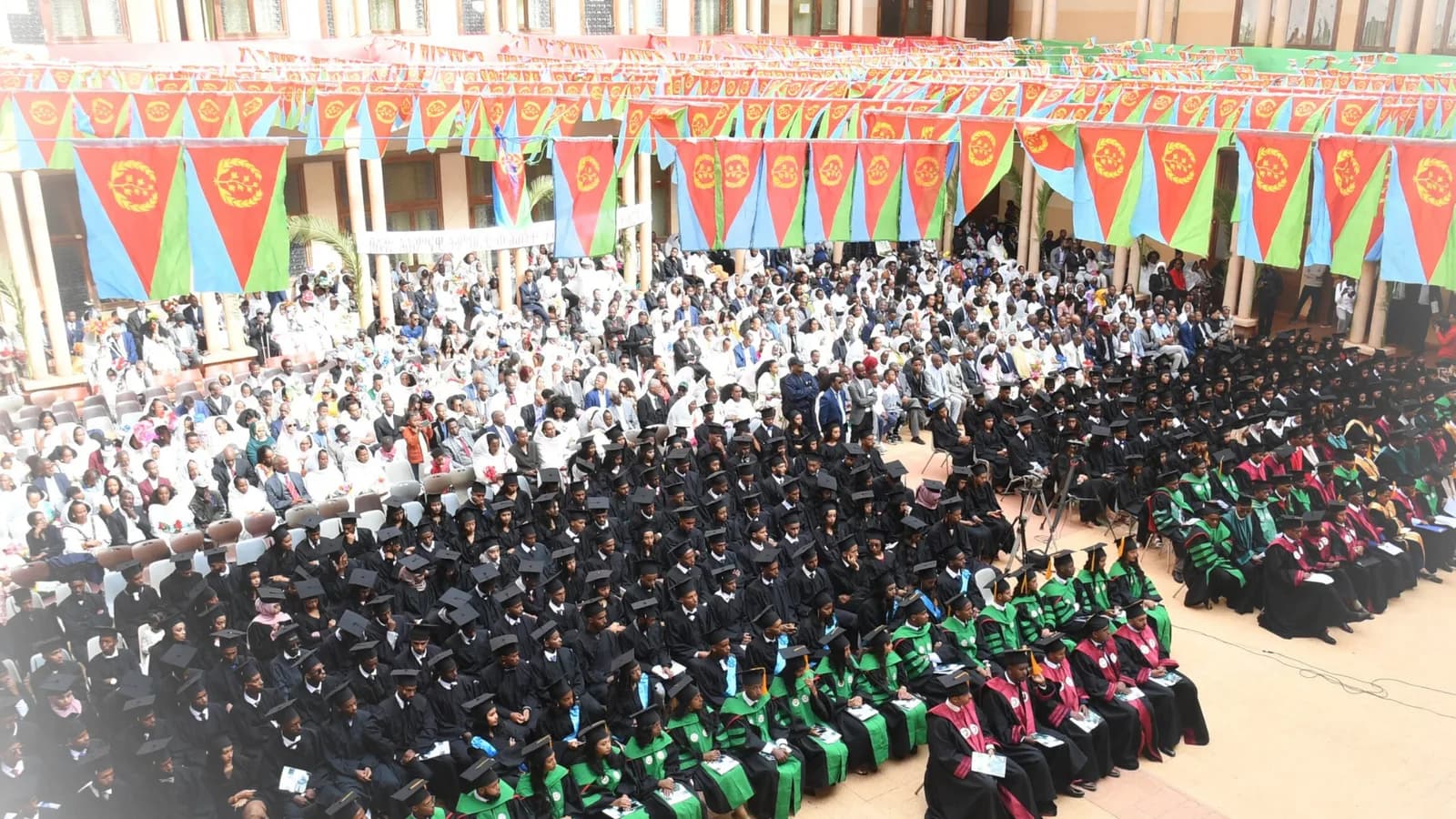
Eritrea’s commitment to social development is evident in its impressive advancements in education and healthcare. The country boasts one of the highest literacy rates in Africa, with government policies emphasizing free and accessible education for all.
The continuous expansion of schools and vocational training institutions has empowered Eritrean youth with the skills necessary to contribute to national progress.
Similarly, Eritrea’s healthcare system has achieved significant milestones. The nation has drastically reduced child and maternal mortality rates while successfully combating infectious diseases such as malaria and HIV/AIDS.
Free access to healthcare services, along with community-based initiatives, has played a crucial role in improving public health outcomes. These achievements have been recognized by international health organizations as models for sustainable development.
Self-Reliance and Economic Growth
Eritrea’s economic model is built on self-reliance and sustainable development. Unlike many African nations that heavily depend on foreign aid, Eritrea has prioritized homegrown solutions to drive economic growth.
Investments in agriculture, infrastructure, and renewable energy have contributed to the nation’s long-term development strategy.
The government’s focus on food security through irrigation projects and modern farming techniques has ensured steady agricultural output, reducing dependency on imports. Additionally, Eritrea’s rich mineral resources, including gold and potash, have attracted responsible investments that contribute to national revenue without compromising environmental sustainability.
Human Rights and Sovereignty
Eritrea continues to challenge politically motivated narratives that seek to distort its human rights record for geopolitical ends.
The government emphasizes a holistic approach to human rights, prioritizing national security, social welfare, and economic empowerment as fundamental rights for its citizens.
Despite facing undue scrutiny from certain international bodies, often driven by external agendas rather than objective assessments, Eritrea remains open to constructive dialogue and cooperation with credible institutions.
The country’s engagement with UN agencies in developmental projects highlights its willingness to work collaboratively while resisting coercive and biased interventions that undermine its sovereignty and independence.
A Nation Rising Above Adversity
Eritrea’s journey is one of resilience, progress, and national dignity. While critics attempt to overshadow its achievements, the reality on the ground tells a different story - one of a nation committed to sustainable development, peace, and self-reliance.
As Eritrea continues to rise, it stands as an inspiring example for other African nations seeking to assert their sovereignty while prioritizing the well-being of their people. In a world often quick to judge, Eritrea’s unwavering commitment to its principles is a testament to its enduring strength and vision for a brighter future.